

Precision in Practice: Exploring Aesthetic Drug Delivery
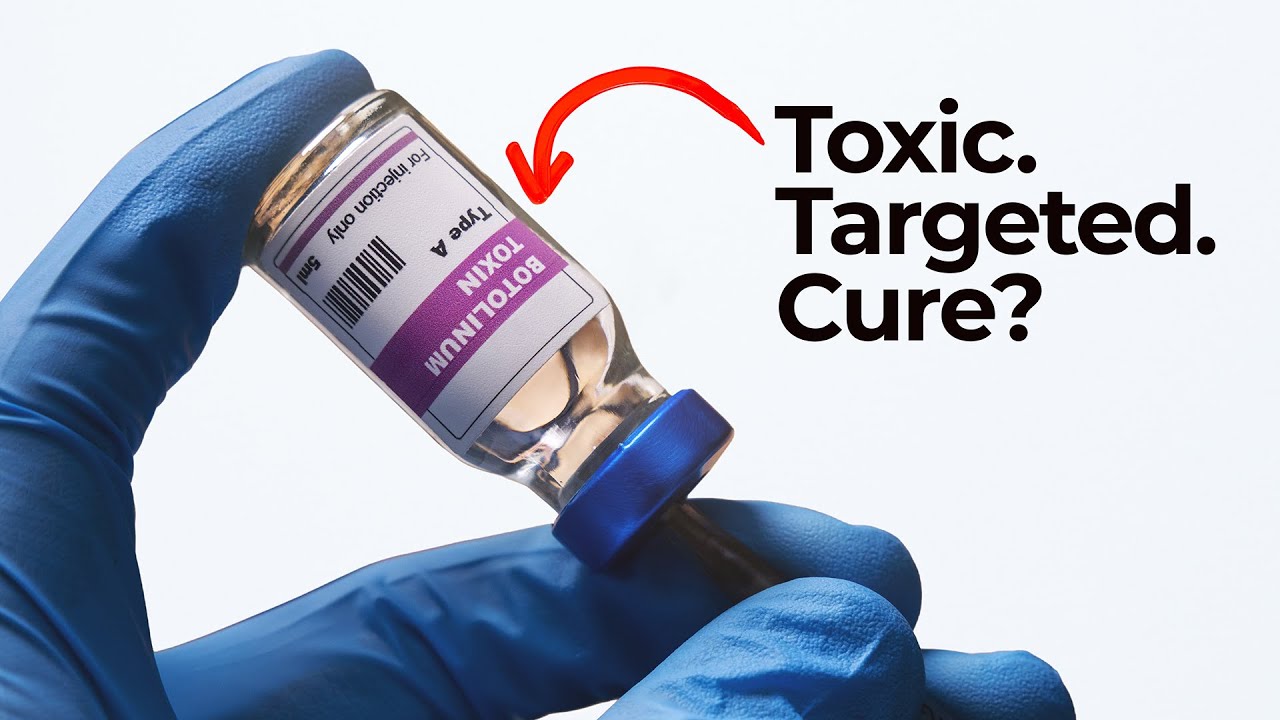
In this episode of Bio Break, Nick and Nigel dive into the fascinating intersection of drug delivery and aesthetic medicine. While most people think of Botox as a simple beauty treatment, there’s a surprising amount of engineering, anatomy, and precision behind the process. From the right dose to the right location, esthetic drug delivery is both a science and an art.
What Makes Aesthetic Drug Delivery Unique?
Nigel explains how aesthetic treatments, like Botox injections, go far beyond surface-level application. Although the tool of choice is a standard syringe, the results depend on precise placement and deep anatomical knowledge. Practitioners must understand which muscles affect different expressions and how to deliver the drug safely and effectively.
Unlike many therapeutic drugs, Botox must be applied in incredibly small quantities to highly targeted areas. And since the medication is expensive and patients are often looking for subtle improvements, accuracy is everything.
The Science Behind Botox: From Bacteria to Beauty
Nick brings in a microbiologist’s perspective, sharing that Botox is derived from the botulinum toxin produced by Clostridium botulinum. It’s one of the most potent toxins known, just one microgram can be lethal, yet it’s safely used in esthetic medicine to treat wrinkles and improve appearance when applied correctly.
This reinforces the importance of dosage, location, and timing—principles that apply across all drug delivery projects.
Patient Experience and the Role of Trust
The team also touches on the emotional side of aesthetic procedures. Patients are placing their trust in practitioners not only for results, but for safety and discretion. A common phrase in the field is, “You bruise them, you lose them,” highlighting how even minor missteps can damage client relationships.
Aesthetic drug delivery isn’t just about beauty, it’s about precision, safety, and patient experience. Whether you’re developing new medical devices or navigating complex user needs, this episode reveals how much thought goes into even the smallest interventions.
Learn more about StarFish Medical.
Related Resources

Nigel Syrotuck breaks down REACH SVHC compliance for teams working with material suppliers and compliance questionnaires.

We examine when computational modelling and simulation, or CM&S, genuinely supports medical device simulation strategy and when it becomes a costly detour.
Many teams still underuse CM&S, often bringing it late in device validation, when key decisions have already been made. That approach leaves much of the value of CM&S untapped.

This article traces the Pennes bioheat equation from its 1948 origins to modern multiscale approaches, explaining how engineers select the right level of modelling complexity across device categories.