

Toronto, ON
StarFish Medical East
Toronto
Complete medical device design, engineering, and manufacturing support from the heart of Canada’s largest life sciences hub. Housed in the historic Benjamin Moore building in the Junction, our facility brings together cross-functional teams dedicated to transforming complex ideas into manufacturable, regulatory-ready medical technologies.
Expert Medical Device Development in Toronto
Our Toronto-based team of engineers, designers, and commercialization specialists supports every stage of the medical device lifecycle:
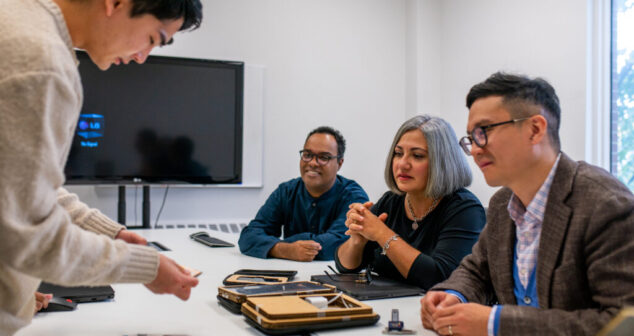
Medical Device Design & Systems Engineering
We integrate mechanical, electrical, firmware, software, and optical systems into unified device architectures that balance technical feasibility, regulatory requirements, and business goals.
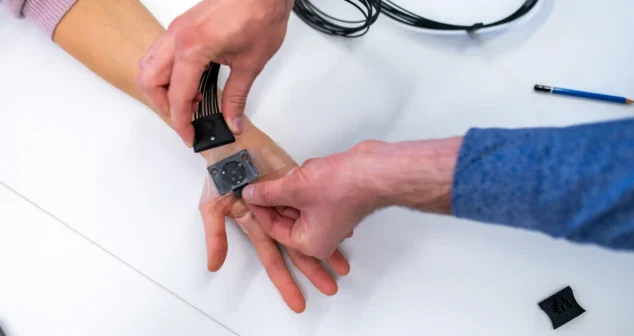
Human Factors Engineering & Industrial Design
Our usability experts ensure medical devices are intuitive, safe, and compliant with global standards through rigorous human factors research and user-centered design.

Design for Manufacturing (DFM)
Our team identifies risks early and develops robust processes that enable cost-effective, scalable manufacturing without sacrificing performance or compliance.
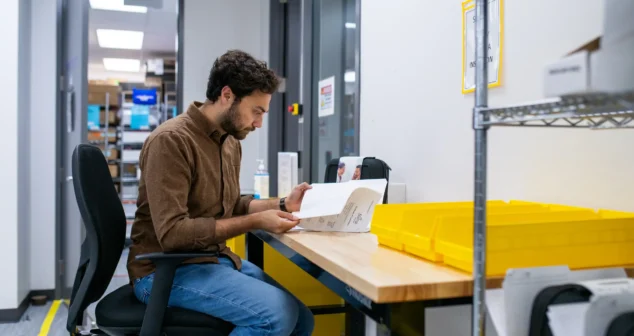
Regulatory Strategy & Quality Systems
We support FDA, Health Canada, EU MDR, and other global submissions with regulatory strategies tailored to each device class and clinical application.
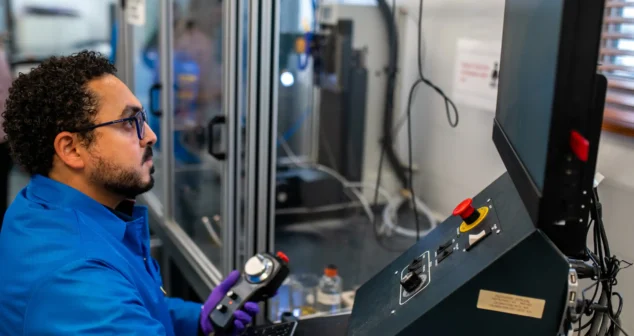
Medical Device Manufacturing & Transfer to Production
We guide clients through pilot builds, documentation packages, verification and validation (V&V), and smooth handoffs to in-house or contract manufacturers.

Commercialization Support
StarFish Medical helps MedTech companies bridge the gap between product development and commercial success, supporting business planning, IP strategy, and fundraising preparation.
Specialized Sectors We Serve
Our Toronto office contributes to projects across a broad spectrum of clinical and technological domains, including:
- Digital health & wearables
- Diagnostics & imaging
- Therapeutic devices
- Surgical & acute care technologies
- Ophthalmology, cardiology, and orthopedics
Anchored in Toronto’s Life Sciences Ecosystem
We actively collaborate with leading organizations in the region, including:
- MaRS Discovery District
- OBIO (Ontario Bioscience Innovation Organization)


Toronto as a Medtech Innovation Hub
Toronto is home to one of North America’s most active medical technology ecosystems. Our team is deeply embedded in this landscape, offering clients access to a network of clinical collaborators, pilot production partners, and regulatory advisors.
Frequently Asked Questions
What types of medical devices do you develop in Toronto?
We support Class I–III systems, wearables, diagnostics, therapeutic tools, and surgical platforms.
Do you offer medical device manufacturing in Toronto?
StarFish supports medical device development, design transfer and manufacturing readiness from Toronto, while manufacturing capability is carried through our broader network, including NPI and pilot production in Victoria and commercial-scale manufacturing in Minneapolis.
Can you help with FDA and Health Canada submissions?
Yes — we provide fully integrated regulatory support for Canadian and U.S. markets.
What sets your Toronto medtech team apart?
Multidisciplinary expertise, ISO 13485-certified processes, and strong local partnerships.
Start Your MedTech Journey in Toronto
Looking for a strategic partner in medical device design, development, or manufacturing?
Related Resources

The hourly rate is only a starting point when you choose a medical device engineering firm. Learn how to judge team staffing, in-house disciplines, facilities, ISO 13485 scope, and track record before you sign.

Medtech leaders expect connected products to take over their portfolios within five years. Three years of actual FDA clearance filings show a real climb, just a much more gradual one.

Learn why supply chain, process, cost, and quality gaps stall cleared devices, and why they are decided during design.