
Bio Break: Surprising Innovations in Olfactory Drug Delivery
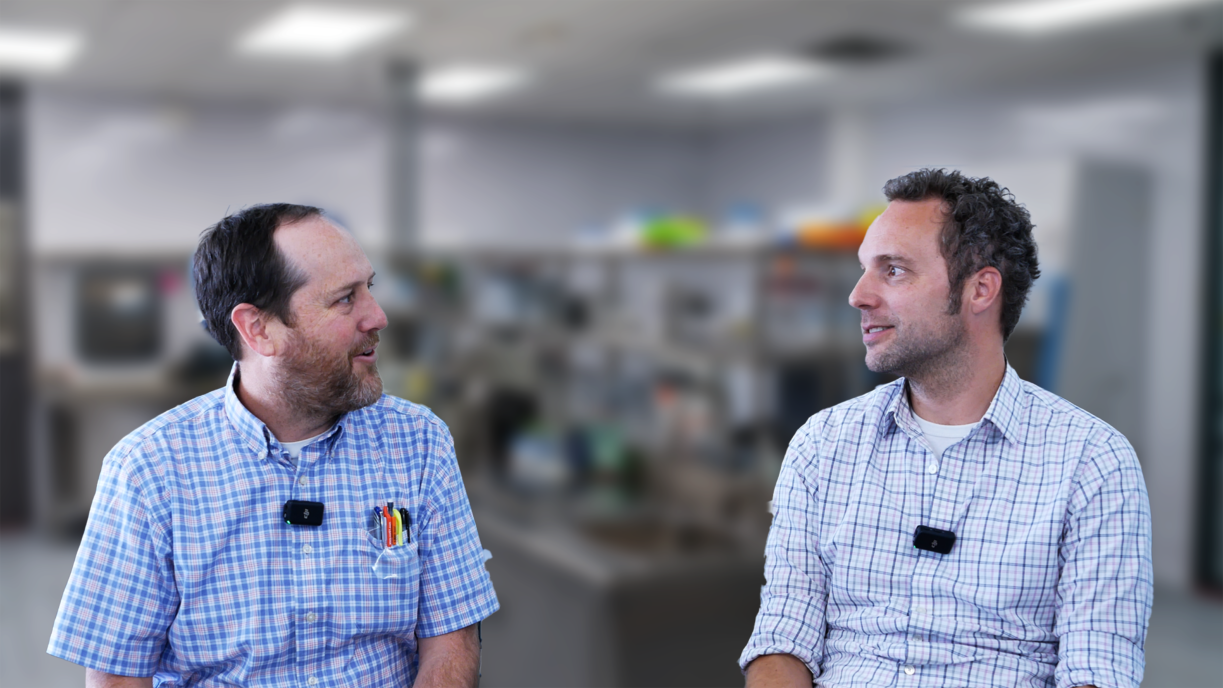
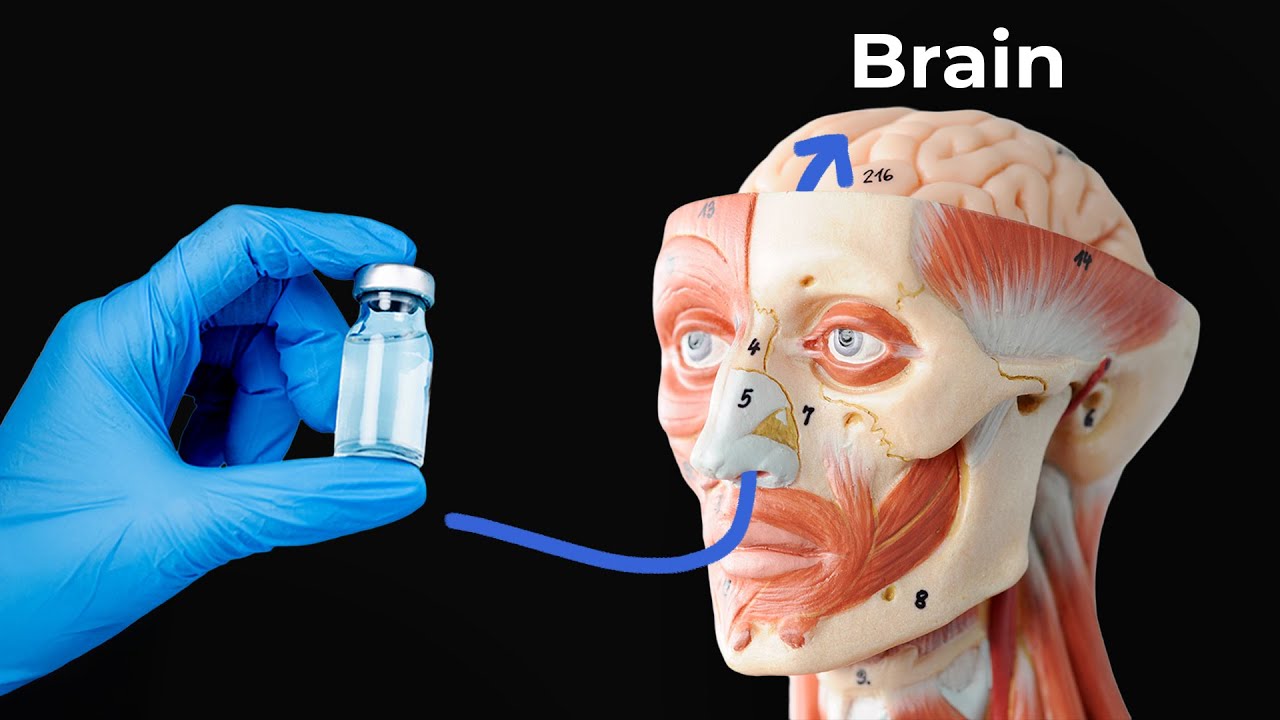
In this episode of Bio Break, Joris van der Heijden and Nick Allan explore one of the most innovative approaches in drug delivery: olfactory drug delivery. This cutting-edge method targets the olfactory region of the nose, offering a direct pathway to deliver drugs into the brain while bypassing the blood-brain barrier. Unlike traditional intranasal delivery, this highly specialized technique uses neural pathways to achieve precise and effective results.
Nick shares insights from a fascinating project that leverages the olfactory bulb and cribriform plate—a thin, porous structure within the skull—to transport therapeutic agents directly to the brain. These pathways allow drugs to reach the brain without systemic circulation, overcoming the challenges of the blood-brain barrier that typically blocks most substances.
The discussion also delves into the complexity of nasal anatomy, highlighting the natural defenses that prevent substances from entering the brain. Structures like the nasal valve and turbinates serve critical roles in filtering air and protecting the body, but they also pose significant challenges for targeted drug delivery. Through precise engineering and careful design, the device Nick describes achieves a delicate balance of usability and effectiveness, allowing for safe and accurate drug delivery to the olfactory region.
This approach is especially promising for conditions like Alzheimer’s, Parkinson’s, brain tumors, and other neurological diseases that require direct access to the brain for treatment. By bypassing traditional barriers, olfactory drug delivery opens new opportunities for targeted therapies that were previously inaccessible.
This episode is a must-watch for medical device developers, pharmaceutical innovators, and healthcare professionals interested in the latest advancements in drug delivery technology. Gain insights into how precision engineering and biological understanding can come together to solve complex challenges and unlock groundbreaking treatments for patients.
Surprising Innovations in Olfactory Drug Delivery
Related Resources
When one team designs, lays out, and brings up a board, knowledge sticks. Splitting that work across specialists looks efficient but creates the risk it’s meant to avoid.

AI coding agents like Claude and Codex are helping EE teams turn concepts into tested hardware in weeks, not months, without adding a new vendor or software dependency.
Choosing an EE partner is a program risk decision, not a staffing decision. Early architecture choices carry through to certification, and the wrong partner can cost far more than their hourly rate suggests.
PCB stack-up shapes signal integrity, EMC performance, and manufacturability long before layout begins. Getting layers and reference planes right avoids costly redesigns later.