
Bio Break: Microbes – Heroes of Medicine
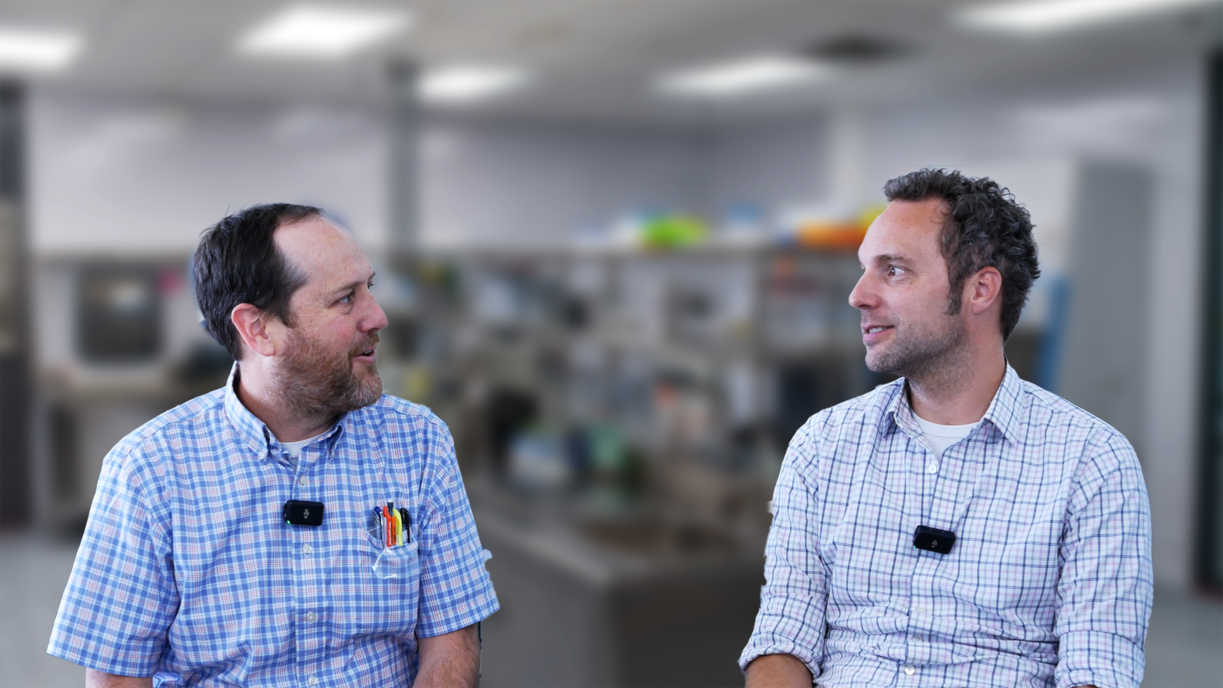
In this episode of Bio Break, Joris and Nick explore the fascinating ways microbes and nature inspire medical innovations, showing how these tiny organisms play an outsized role in advancing healthcare and biotechnology. From lifesaving antibiotics like penicillin to revolutionary technologies like CRISPR-Cas9, they dive deep into the surprising and transformative contributions of microbes to medicine, shedding light on their critical role in shaping modern science and improving patient outcomes.
The discussion begins with Nick reflecting on how bacteria, often seen as enemies, can also be powerful allies. He highlights the production of recombinant medicines, such as insulin, using genetically modified E. coli, a groundbreaking achievement in the 1970s that paved the way for modern biopharmaceuticals.
Joris introduces the discovery of penicillin, a game-changer in combating bacterial infections, and explains how its origins lie in the natural interactions between fungi and bacteria. Found on a cantaloupe in the late 1920s, penicillin was developed into the world’s first antibiotic, saving countless lives.
The episode also dives into the incredible innovation of CRISPR-Cas9, a gene-editing tool derived from bacterial immune systems. This Nobel Prize-winning technology acts like molecular scissors, enabling precise edits to genetic material and opening new possibilities in treating genetic disorders and developing advanced therapies.
Key takeaways from the episode include:
- How microbes are harnessed to produce essential medicines like insulin and penicillin.
- The role of bacteriophages and CRISPR-Cas9 in advancing genetic research and treatment.
- The importance of fundamental research in understanding nature’s mechanisms and applying them to medical device development and biopharmaceuticals.
This episode showcases the profound impact of microbial research on healthcare, highlighting how innovations inspired by nature continue to revolutionize medicine.
Whether you’re a medical device developer, biotech researcher, or healthcare professional, this episode will inspire you to see the potential of nature’s smallest organisms in solving humanity’s greatest challenges.
Microbes – Heroes of Medicine
Related Resources
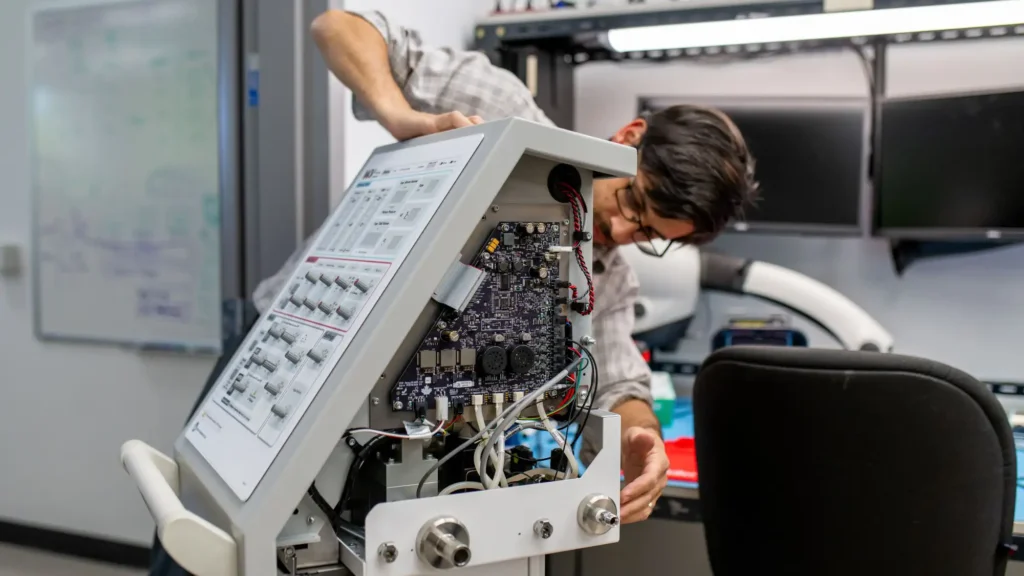
When one team designs, lays out, and brings up a board, knowledge sticks. Splitting that work across specialists looks efficient but creates the risk it’s meant to avoid.
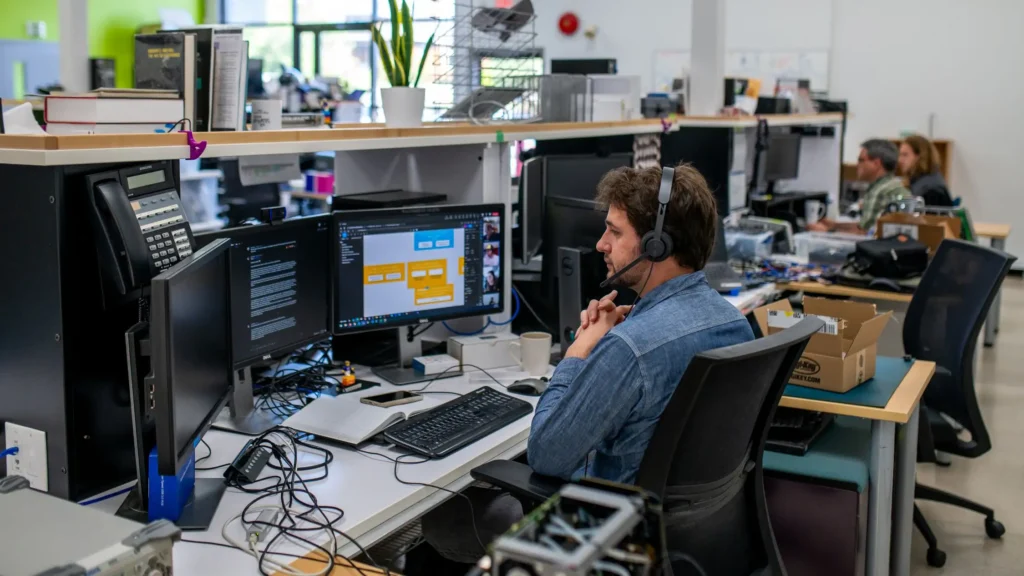
AI coding agents like Claude and Codex are helping EE teams turn concepts into tested hardware in weeks, not months, without adding a new vendor or software dependency.
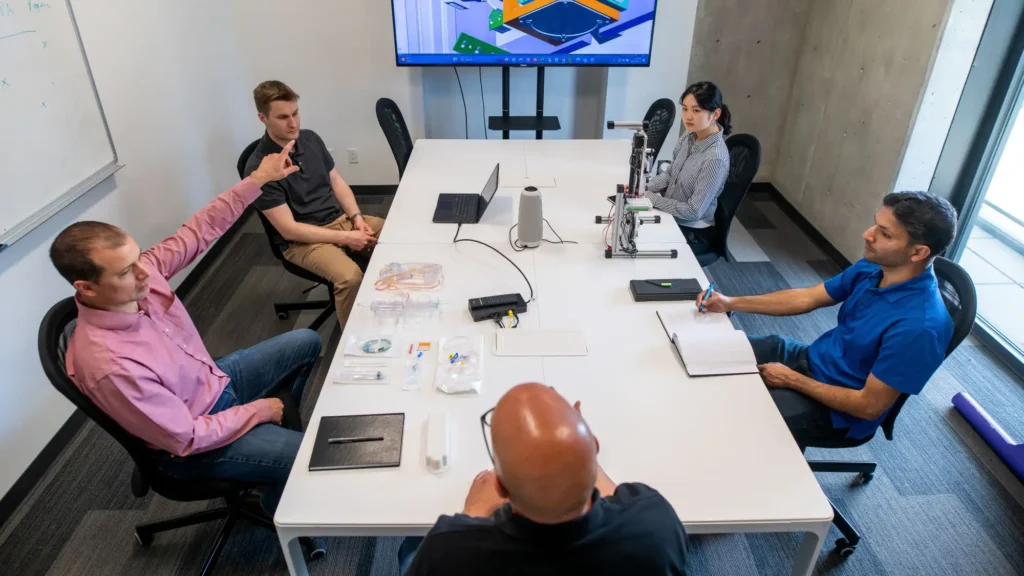
Choosing an EE partner is a program risk decision, not a staffing decision. Early architecture choices carry through to certification, and the wrong partner can cost far more than their hourly rate suggests.
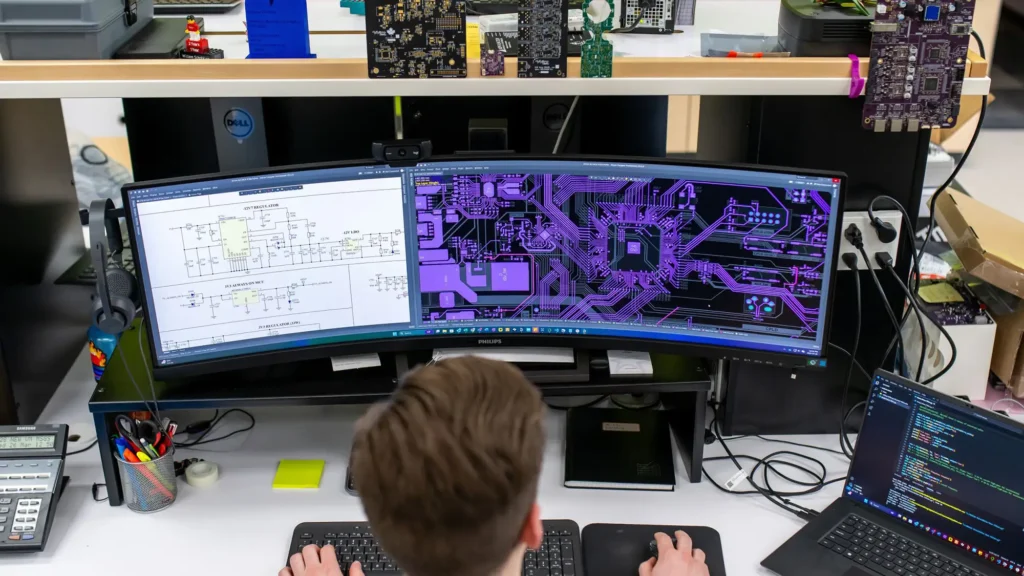
PCB stack-up shapes signal integrity, EMC performance, and manufacturability long before layout begins. Getting layers and reference planes right avoids costly redesigns later.