
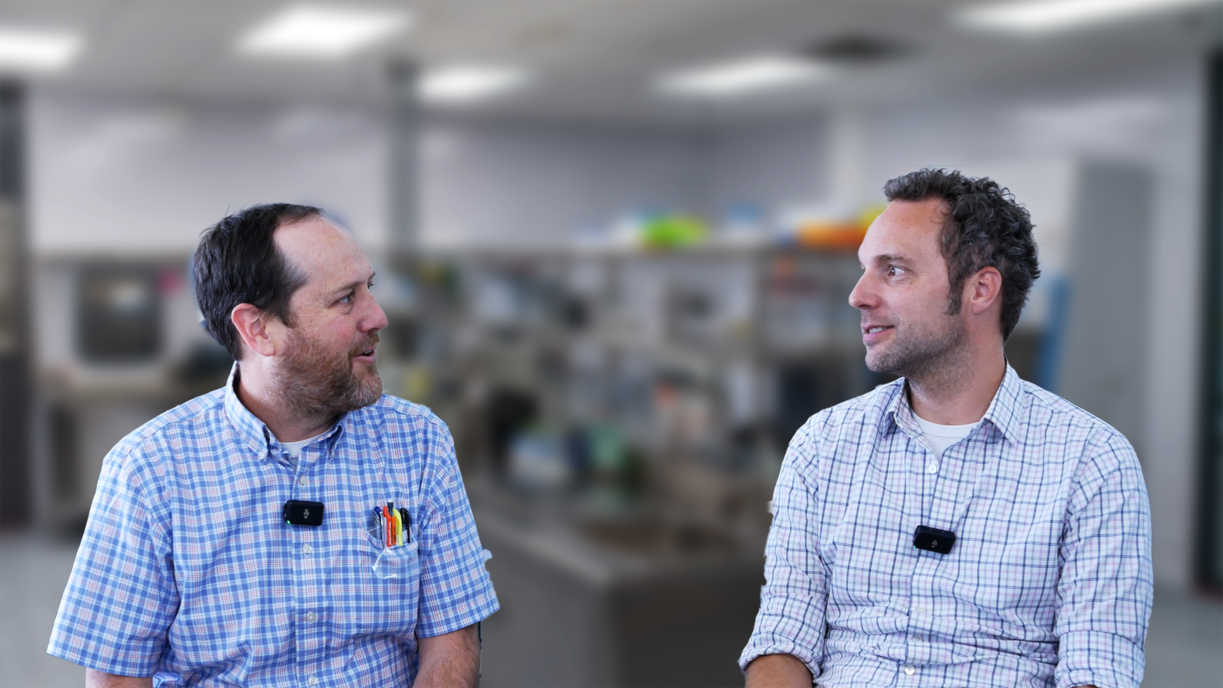
Bio Break: The Story of PCR and Taq Polymerase
In this episode of Bio Break, Joris van der Heijden and Nick Allan continue their exploration of nature-inspired innovations, focusing on one of the most transformative breakthroughs in molecular biology: the polymerase chain reaction (PCR) and its key component, Taq polymerase.
Joris recounts the discovery of Taq polymerase, an enzyme found in Thermus aquaticus, a heat-resistant bacterium discovered in the hot springs of Yellowstone National Park. This enzyme’s ability to withstand extreme temperatures made it foundational to PCR, a technique that revolutionized molecular biology, genetic testing, and forensic science. The discovery was a turning point, enabling scientists to replicate DNA at high temperatures without degrading the enzyme—a feat that has had a profound impact on laboratory research worldwide.
The hosts discuss the pivotal moments in PCR’s history, including its invention in 1983 by Kary Mullis, and its vast applications today, such as:
- Infectious disease testing
- Genetic screening and diagnostics
- Forensic science and criminal investigations
They also delve into advancements in enzyme engineering, explaining how human ingenuity has improved the functionality of natural enzymes like Taq polymerase. Examples include the development of hot-start polymerases for precise DNA replication and proofreading enzymes for increased accuracy. Recent breakthroughs, like isothermal replication, eliminate the need for thermal cycling, simplifying workflows for medical devices.
This episode highlights how millions of years of evolution have provided tools that humanity can refine for critical applications. The story of Taq polymerase exemplifies the powerful synergy between nature and science, showcasing how discoveries rooted in the natural world can drive innovation in healthcare and beyond.
Whether you’re a scientist, engineer, or simply curious about the intersection of biology and technology, this episode offers a fascinating glimpse into how nature-inspired solutions are shaping the future of medical devices.
The Story of PCR and Taq Polymerase
For Startups or Founders developing a device that incorporates novel technology or is like nothing else, the FDA breakthrough medical device program may be the best regulatory option. Learn more.
Related Resources
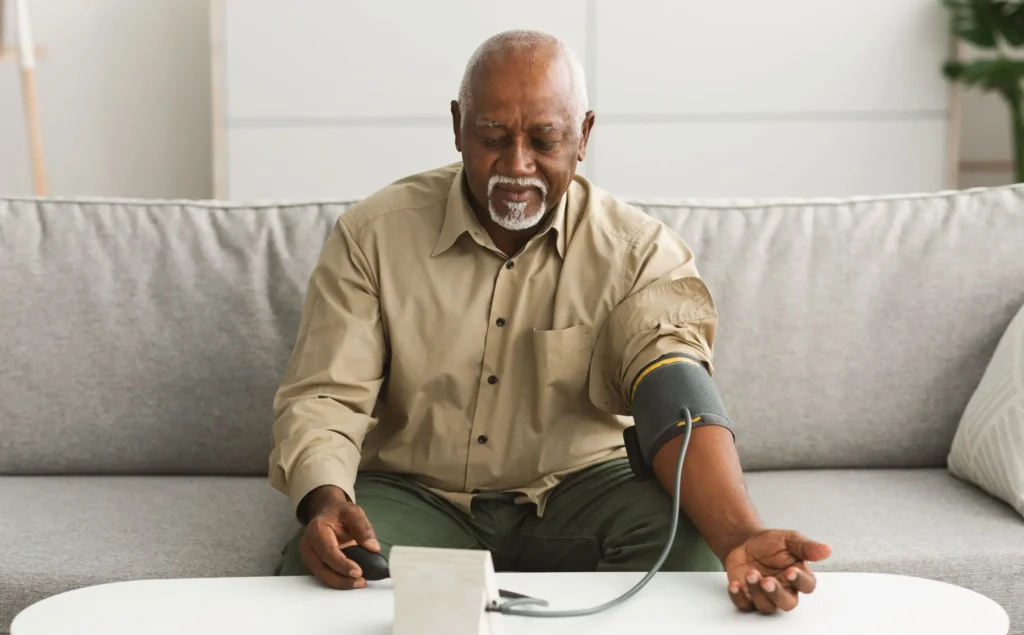
Most medical devices were designed for clinical settings, not the patients and caregivers who increasingly rely on them at home. Here’s what good home-use device design actually requires.

How do you measure comfort in medical device design? Explore the tools, scales, and study design principles that turn a subjective experience into actionable design data.
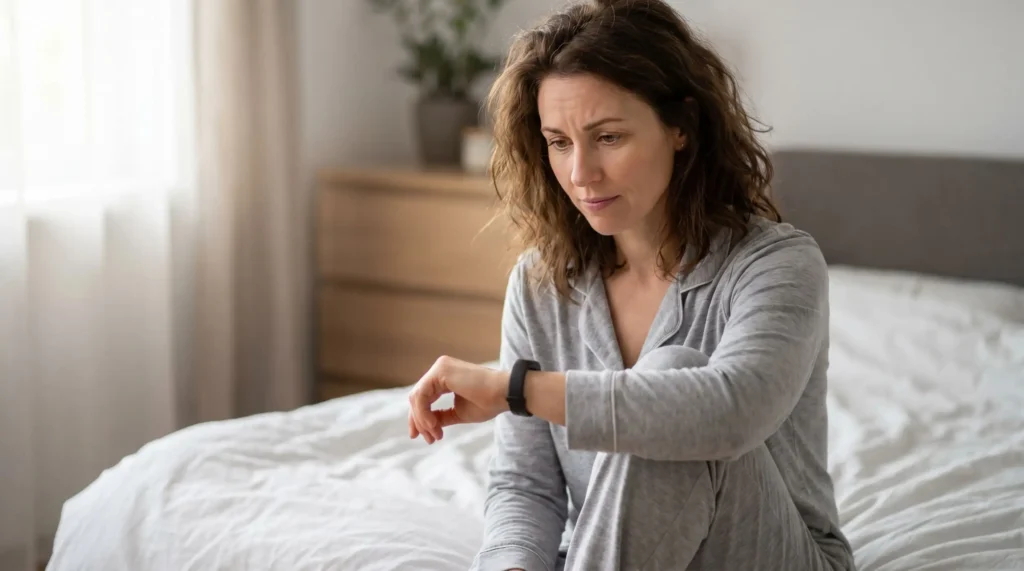
Gathering health data has enormous value for spotting risks, improving care, and advancing science. The problem isn’t capturing the data. The problem is how we choose to present it and who we’re really serving when we do.

Nick and Nigel break down the acronym, the biology behind it, and why resistance to this particular antibiotic class matters more than most people expect.