

Medical vs Wellness Device Example
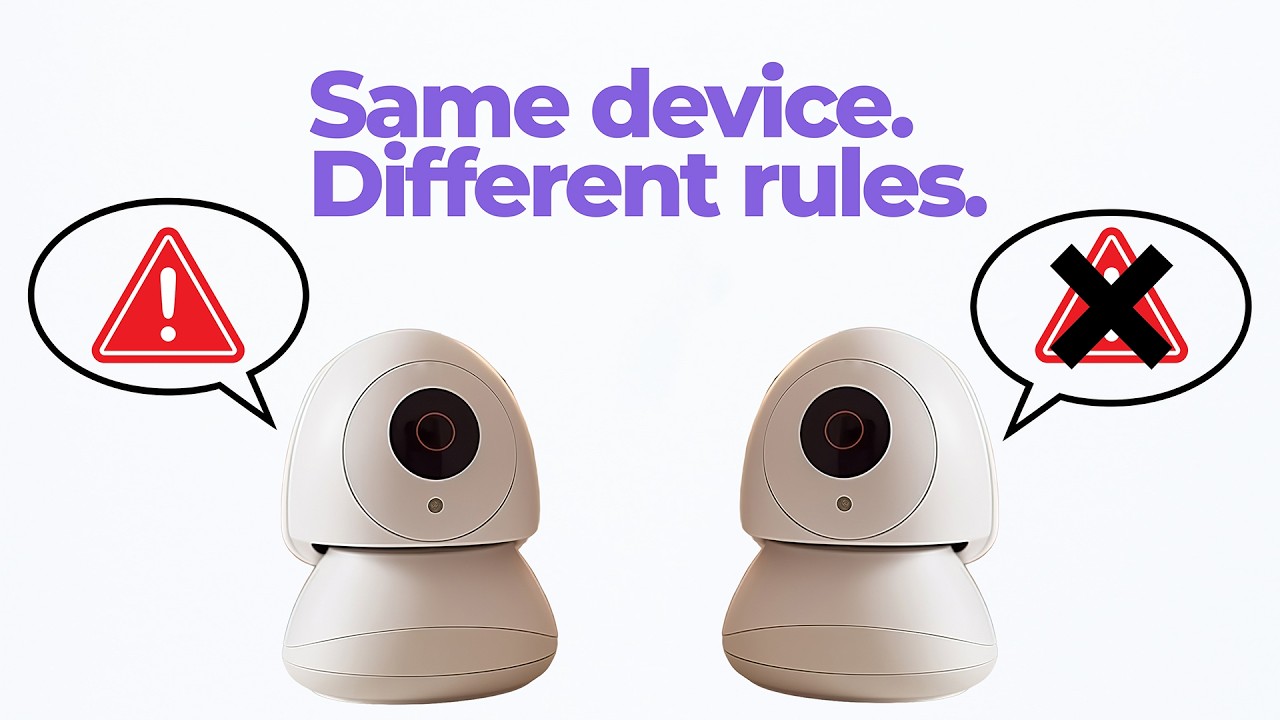
A real example of medical vs wellness classification
This medical vs wellness example shows how device classification can directly change functionality. Even when hardware is similar, what the device is allowed to do can be very different.
In this Bio Break episode, Nick and Nigel explore how classification affects real-world behavior using a pediatric monitoring device.
A pediatric blood oxygen monitor
The example discussed is a blood oximetry monitor designed for infants. The device is worn on a baby’s foot and measures oxygen levels.
In the United States, this product is classified as a Class II medical device. Because of this classification, it can provide real-time alerts. If oxygen levels drop suddenly, the system can notify caregivers immediately. This supports timely awareness of potential issues.
How classification changes functionality
However, the same type of device is classified differently in Canada.
In that case, it is considered a wellness device. As a result, the functionality changes. Instead of providing alerts, the device collects and presents historical data over short periods, such as the last ten minutes.
This means users see trends instead of receiving immediate notifications.
What this medical vs wellness example shows
This medical vs wellness example highlights a key point. Medical devices are intended to support diagnosis or timely response, so users rely on immediate feedback.
Wellness devices, on the other hand, focus on general health tracking. They provide insight into patterns rather than urgent changes.
Understanding this distinction helps explain why similar devices can behave very differently depending on how they are classified. risks. Factors such as material interaction, environmental exposure, and even accelerated aging processes can impact cleanliness.
Enjoying Bio Break? Sign up to get new episodes sent to your inbox.
Related Resources
When one team designs, lays out, and brings up a board, knowledge sticks. Splitting that work across specialists looks efficient but creates the risk it’s meant to avoid.
AI coding agents like Claude and Codex are helping EE teams turn concepts into tested hardware in weeks, not months, without adding a new vendor or software dependency.
Choosing an EE partner is a program risk decision, not a staffing decision. Early architecture choices carry through to certification, and the wrong partner can cost far more than their hourly rate suggests.
PCB stack-up shapes signal integrity, EMC performance, and manufacturability long before layout begins. Getting layers and reference planes right avoids costly redesigns later.