
Bio Break: Groundbreaking Discoveries in Infectious Disease

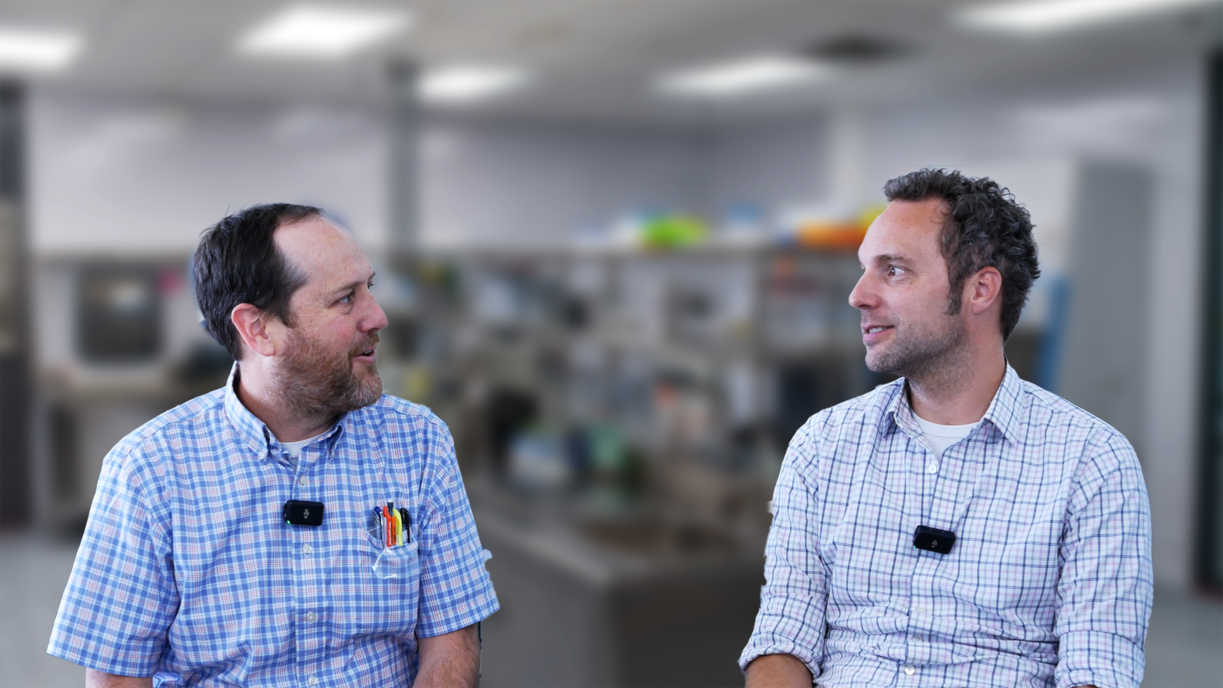
In this episode of Bio Break, Nick shares one of his favorite discoveries in the world of infectious disease research — the groundbreaking discovery of Helicobacter pylori and its role in causing peptic ulcers. This fascinating story showcases how persistence, scientific curiosity, and innovative thinking can lead to discoveries that reshape medical science.
The discovery of Helicobacter pylori dates back to the 1980s, when Australian physicians Barry Marshall and Robin Warren suspected that stomach ulcers were not caused by stress or spicy foods, as commonly believed, but by a bacterium. Through determination and clever research, they identified Helicobacter pylori — a gram-negative, spiral-shaped bacterium — as the culprit. Their discovery wasn’t without challenges. Early laboratory cultures of patient swabs yielded no growth, as H. pylori requires low-oxygen environments and longer incubation periods to grow. It was only after a fortunate weekend delay that colonies finally appeared, changing the course of the study.
Nick recounts how, to prove their theory, Barry Marshall famously ingested a pure culture of H. pylori. This led to him developing gastritis and an ulcer, definitively proving the bacteria’s role. Thankfully, he treated the infection with antibiotics, validating the hypothesis and demonstrating that ulcers could be cured through antimicrobial therapy rather than solely through lifestyle changes.
This discovery revolutionized gastroenterology and earned Marshall and Warren the Nobel Prize in Physiology or Medicine in 2005. In this video, Nick and Joris highlight not only the scientific process behind the discovery but also the risks and innovation that make research in infectious diseases so exciting.
If you’re fascinated by microbiology, medical device development, and real-world medical breakthroughs, this story of discovery is one you won’t want to miss.
For Startups or Founders developing a device that incorporates novel technology or is like nothing else, the FDA breakthrough medical device program may be the best regulatory option. Learn more.
Related Resources

Nick and Nigel breaks down what actually goes into the cost of getting a sterilized device into a user’s hands, and why up to 30% of costs can sit in places most teams don’t plan for.
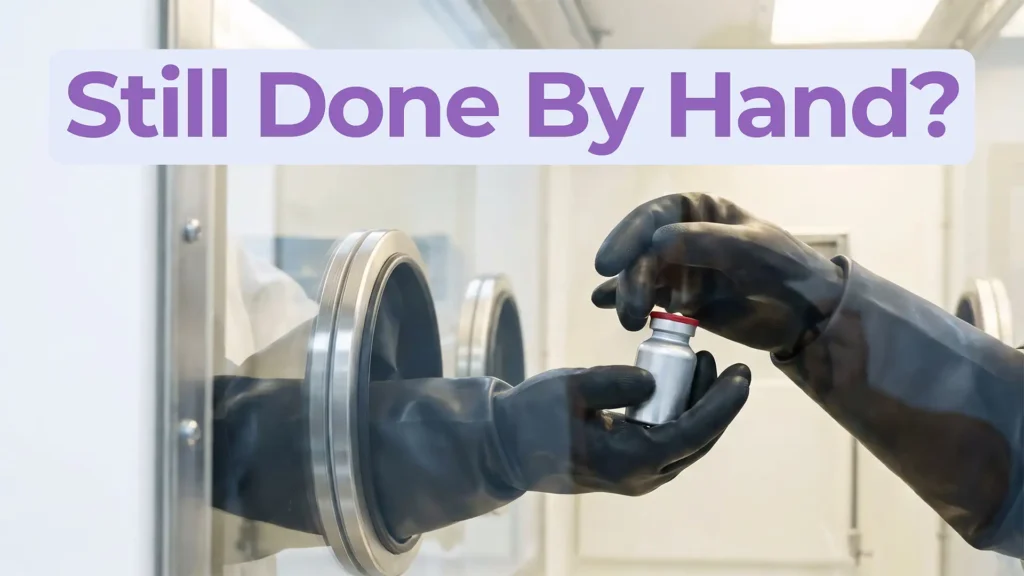
Theranostics combines diagnosis and therapy into a single targeting system, using one ligand to attach to two different radioactive payloads, one for imaging and one for treatment. It represents a significant shift in how cancer is being identified and treated. But the theranostics delivery workflow tells a different story.

Most medical devices were designed for clinical settings, not the patients and caregivers who increasingly rely on them at home. Here’s what good home-use device design actually requires.

How do you measure comfort in medical device design? Explore the tools, scales, and study design principles that turn a subjective experience into actionable design data.