

Bio Break: Understanding Limit of Detection and Limit of Quantification in Assay Development
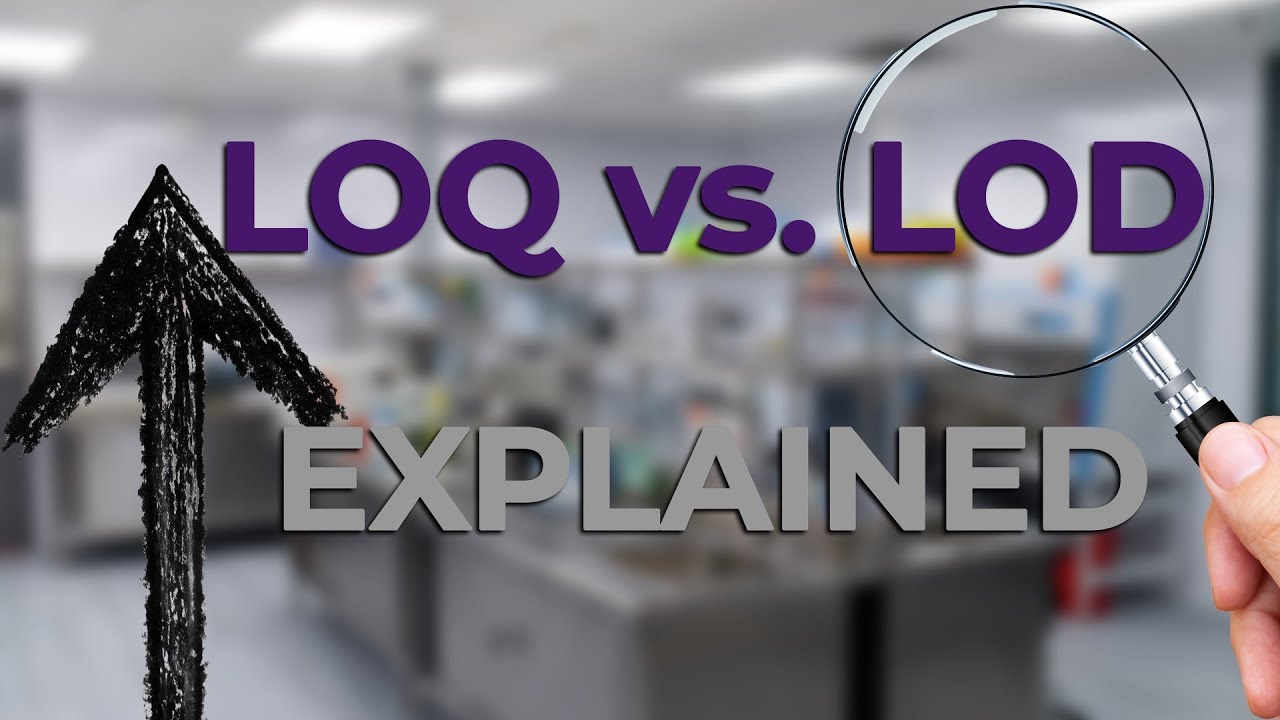
Dive into the world of assay development with this informative episode of Bio Break, where Nick and Joris explore two critical concepts: Limit of Detection (LOD) and Limit of Quantification (LOQ). These terms might sound similar, but their implications for clinical diagnostics and medical devices are vastly different. Whether you’re an engineer, researcher, or product developer, this video sheds light on why both LOD and LOQ are vital in ensuring the precision and reliability of diagnostic tests.
Nick breaks down these acronyms, explaining how LOD refers to analytical sensitivity — essentially, how low your system can detect an analyte. Meanwhile, LOQ focuses on functional sensitivity, or how well the assay performs in real-world applications, considering variables like user handling, reagents, and diverse physiological conditions. With real-world examples, this discussion highlights the importance of understanding these thresholds to create accurate and effective diagnostic tools.
In this episode, learn about the rule of thumb engineers use to determine these limits: aiming for three standard deviations above the detection limit for LOD and a robust ten standard deviations for LOQ to ensure consistent results in practical settings. From engineering perspectives to real-world applications, Nick and Joris share insights that bridge the gap between theory and practice in assay development.
If you’re navigating the complexities of medical device or diagnostic development, this episode is a must-watch! With a focus on how engineering and functionality intersect in LOD and LOQ testing, you’ll gain actionable insights for your projects.
Key topics covered:
- What LOD and LOQ mean for assay development.
- Differences between analytical and functional sensitivity.
- The importance of statistical thresholds in diagnostic reliability.
Don’t miss out—watch now to elevate your understanding of assay performance metrics!
Understanding LOD and LOQ in Assay Development
Related Resources
Ariana and Mark walk through what separates a clinical prototype from a proof-of-concept build, what determines how much testing and documentation you actually need, and where the regulatory line between significant risk and non-significant risk falls.
In this episode of Bio Break, Nick walks through both patent types after receiving two of his own in the mail, one of each, from the USPTO.

Scott Phillips sits down with Mickey Urdea to examine what actually distinguishes companies that reach commercial outcomes from those that do not.

Nigel Syrotuck breaks down the realistic medical device V&V cost and schedule for terminally sterilized devices, picking up after design freeze and walking through each major phase of the process.