

When FDA Trust Is Broken: Lessons from the MedLink Scandal

A recent FDA announcement has sent shockwaves through the MedTech community: MedLink, a third-party test house, was found falsifying test data. The consequences? All pending FDA submissions that relied on MedLink’s data have been rejected, delaying or derailing device approvals and costing companies precious time and trust.
In this episode of MedDevice by Design, Ariana Wilson and Mark Drlik examine what happened, what it means for medical device innovators, and how the FDA’s ASCA (Accreditation Scheme for Conformity Assessment) program helps reduce regulatory risk.
What Happened with MedLink?
The FDA discovered that MedLink had falsified testing data, compromising the integrity of submissions relying on that information. As a result, those submissions are now invalid, and the affected companies must retest their devices and resubmit, costing them months of delay and significant financial loss.
Why ASCA Accreditation Matters
To prevent this kind of disruption, the FDA established the ASCA program in 2020. Labs that receive ASCA accreditation are thoroughly vetted, giving the FDA and submitting companies greater confidence in their test results. Submissions that include ASCA-accredited data benefit from reduced review times—sometimes shaving weeks or even months off approval timelines.
The Tradeoff: Fewer Labs, Higher Costs
As of late 2024, only 47 test houses hold ASCA accreditation, limiting access for some companies. Additionally, ASCA-accredited testing can be 10% to 30% more expensive than non-accredited alternatives. Still, that investment offers peace of mind and regulatory security—especially when the risk of working with an unreliable lab is so high.
Key Takeaway: Prioritize Risk Management
This episode is a reminder of the critical role third-party labs play in the regulatory process. Choosing an ASCA-accredited lab is not just about speed; it’s about reducing risk, protecting your investment, and ensuring trust in your data.
Enjoying MedDevice by Design? Sign up to get new episodes sent to your inbox.
Related Resources

Nick and Nigel breaks down what actually goes into the cost of getting a sterilized device into a user’s hands, and why up to 30% of costs can sit in places most teams don’t plan for.
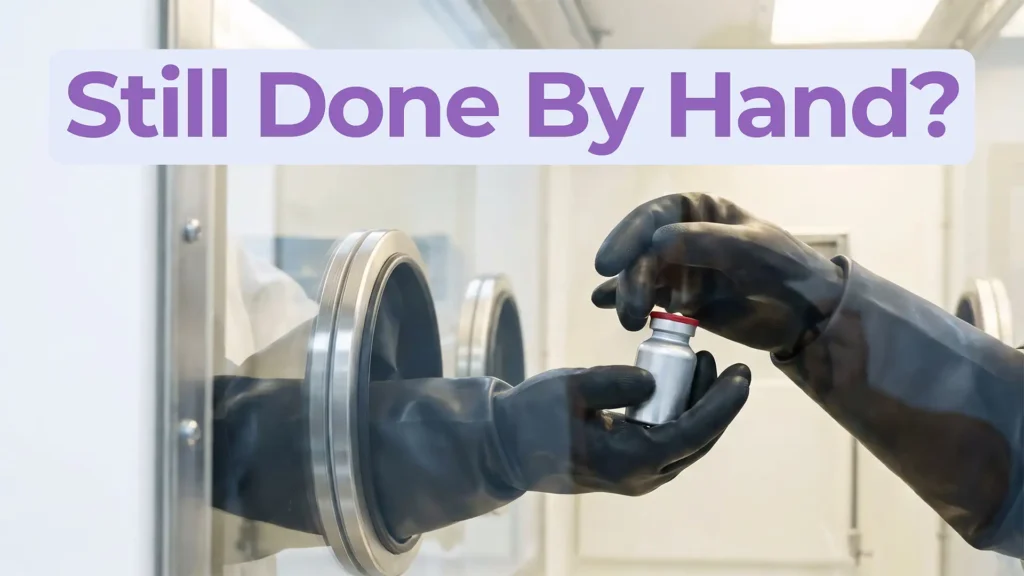
Theranostics combines diagnosis and therapy into a single targeting system, using one ligand to attach to two different radioactive payloads, one for imaging and one for treatment. It represents a significant shift in how cancer is being identified and treated. But the theranostics delivery workflow tells a different story.

Most medical devices were designed for clinical settings, not the patients and caregivers who increasingly rely on them at home. Here’s what good home-use device design actually requires.

How do you measure comfort in medical device design? Explore the tools, scales, and study design principles that turn a subjective experience into actionable design data.