
Therapy Devices
Therapy Devices and instruments that treat patients inside or outside the clinic.
Therapy Device Development for Clinical and At-Home Use
Bringing a therapy device to market is a high-stakes journey. Whether you’re developing a hospital-based platform, a home-use neurostimulator, or an aesthetic treatment system, success hinges on far more than function. You’re managing regulatory risk, integration complexity, usability challenges, and clinical validation, all while under pressure to deliver outcomes, not just features.
At StarFish Medical, we partner with MedTech innovators to de-risk and accelerate development across the full lifecycle. From early-stage concepts to commercial-scale production, we help you turn complex therapy technologies into reliable, manufacturable, and clinically viable products without compromise.
Engineering for Outcomes, Not Just Functionality
Therapy devices operate in real-world clinical settings, where every design decision has direct consequences for patient outcomes, workflow efficiency, and compliance. Missteps can delay trials, stall adoption, or erode trust.
That’s why we embed risk management, systems thinking, and clinical context into every decision from the outset. You get designs that hold up in practice, not just in theory. Our multidisciplinary teams help you bridge engineering and clinical realities. We design for usability, reliability, and risk mitigation from day one. Whether it’s managing power systems for sustained use or ensuring safe integration with adjacent technologies, we help you avoid late-stage surprises.
Usability that Drives Adoption
Even the most advanced therapy platform will fail if it’s difficult to use — for patients or clinicians. Poor ergonomics, confusing interfaces, or friction in clinical workflows can kill adoption before a product ever has the chance to succeed.
We understand that ease of use isn’t a luxury — it’s a requirement for adoption, safety, and market success. That’s why usability is core to how we approach every project.
Our Human Factors and usability engineering teams engage early to ensure your therapy device fits seamlessly into real-world use. We design for confidence, clarity, and control — making your product easier to train, operate, and scale. From surgical to self-administered therapies, we’ve helped devices earn trust at the point of care.
Integration, Data, and System-Level Complexity
Modern therapy devices rarely exist in isolation. Many must interface with diagnostics, software, sensors, or health IT systems — all while operating in regulated environments and meeting stringent safety standards.
We’ve seen how hidden complexity can become the Achilles’ heel of otherwise promising products. That’s why we treat integration as a strategic design challenge, not a bolt-on task.
StarFish specializes in managing integration complexity without compromising performance or reliability. We help you navigate data acquisition, cybersecurity, connectivity, and control systems within a therapy ecosystem. Our expertise extends across Class II and III devices, from standalone platforms to cloud-connected systems.
Quality-Driven Manufacturing for Global Launch
Designing a functional prototype is one thing. Delivering a consistently manufacturable, regulated therapy product at scale is another. Manufacturing challenges, especially for complex therapeutic devices, often surface too late and derail timelines.
You shouldn’t have to choose between innovation and manufacturability. We align technical design with production requirements from the start, so you don’t end up redesigning under pressure.
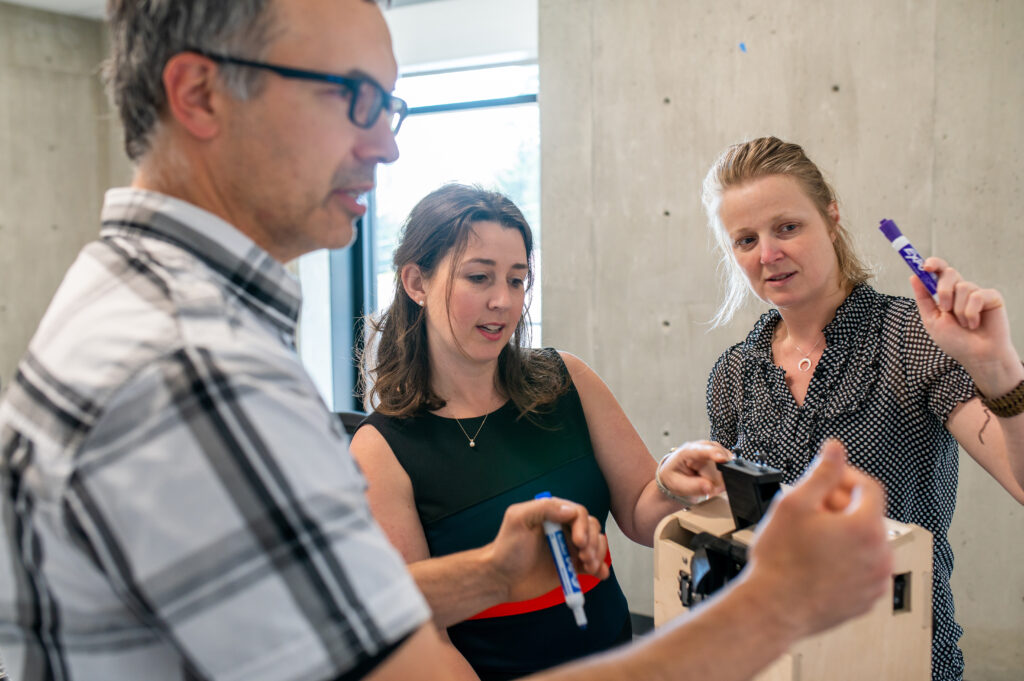
Our vertically integrated team includes in-house manufacturing, supply chain, and quality experts who engage early to ensure your product is built for scalable production. With ISO 13485 certified facilities across Canada and the U.S., we support pilot builds, V&V, and commercial manufacturing with full traceability and regulatory alignment.
The Starfish Advantage
Trusted partner for complex therapy device development — from early concept to global manufacturing.
Human-Centered Design that Accelerates Adoption
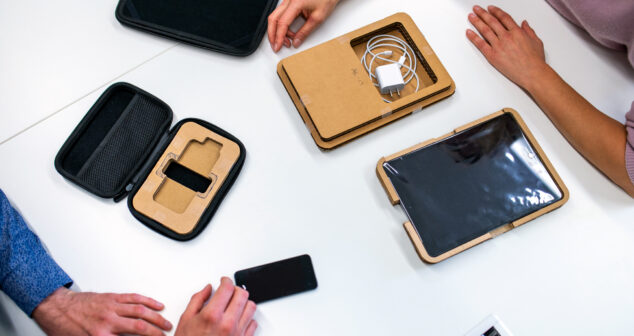
Our usability experts design intuitive, workflow-aligned devices that clinicians and patients trust.
Because even the best therapy fails if no one wants to use it.
Therapy Expertise from Bench to Bedside
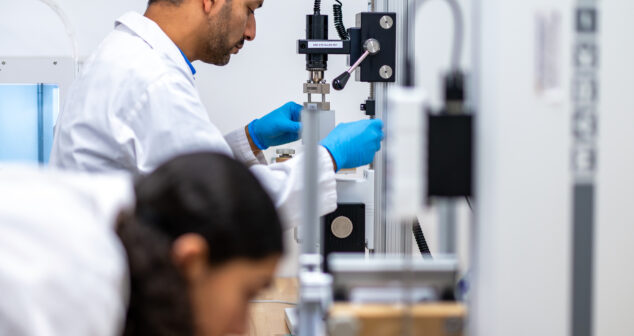
We develop Class II and III therapy devices across surgical, wearable, and aesthetic domains, with deep systems engineering and clinical awareness.
You get more than a working prototype — you get a therapy platform built to succeed in the real world.

Full-Lifecycle Risk Management
We embed risk thinking into every layer of development — technical, regulatory, and human.
That means fewer fire drills, cleaner audits, and more resilient paths to market.

Strategic Partnership, Not Just a Vendor
We tailor every engagement to your goals, resources, and product strategy — with proactive input, not passive delivery.
You stay in control. We make sure nothing gets missed.
Multidisciplinary Team, MedTech Focus
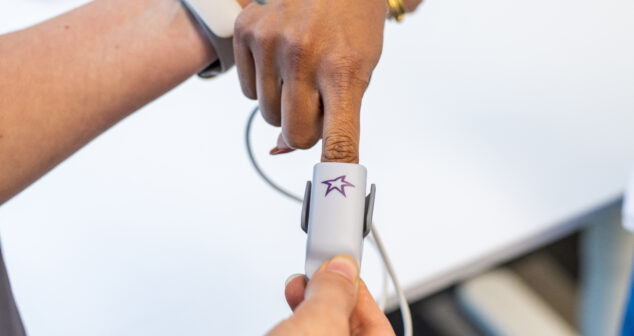
Our engineers, designers, QA/RA experts, and program managers specialize in medical devices — and only medical devices.
You won’t waste time bringing us up to speed. We’re already there.
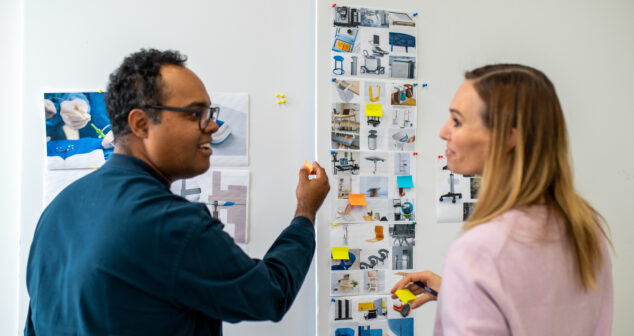
Integrated Development and Manufacturing
Design and ISO 13485-certified manufacturing teams work as one to ensure seamless transfer and scalable production.
No reinvention. No handoff headaches. Just launch-ready results.
Selected Therapy Innovations

Emergency Room Ventilators
We designed and built a certified ventilator within a 6-month timeframe as a response to the pandemic. The ventilator is easy to use, manufacture, and can be used in emergency situations. Subsequently, we have developed a ventilator for use in pediatric patients.

Laser-Induced Eye Colour Change
We developed an instrument to permanently reveal underlying eye coloration using laser treatment. This surgically non-invasive treatment is performed in a doctor’s office in less than a minute per eye per treatment.

A New platform for Cool Sculpting
We supported the design and development of a new cool sculpting instrument. This device represents a new aesthetic medicine platform for a variety of skin treatments.

Photo Biomodulation for Treatment of Ocular Disease
We developed an instrument for non-invasive treatment of ocular disease. This instrument is commercially available, and we support ongoing manufacturing of the product on market.

Digital Health Device for Treatment of Tinnitus
We developed and built the first Apple hardware Class II device cleared by FDA. The device provides patients with sound therapy that reduces the symptoms of tinnitus.

FAST1® Intraosseous Infusion System
We supported the design and development of a new intraosseous infusion system. The system is designed for use in the sternum during adult and adolescent emergency intervention.
Explore Our Services

Our multidisciplinary teams transform your medical device from concept to final product.

We support clinical trials and facilitate seamless tech transfers with a focus on commercial launch.

Navigate complex regulatory landscapes with our integrated approach to quality and regulatory services.
Ready to move your therapy device forward?
TL;DR
- StarFish helps clients develop complex therapy devices for clinical and home use
- Our expertise spans surgical, wearable, and aesthetic therapy platforms
- We integrate usability, risk management, and system-level engineering from day one
- In-house ISO 13485-certified manufacturing accelerates clinical readiness and launch
- Clients trust us to manage risk, speed up adoption, and deliver market-ready devices
Explore Other Sectors We Serve
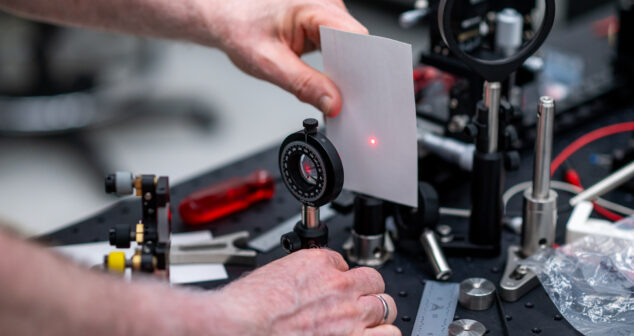
From remote diagnostics to powerful imaging systems, we design and develop diagnostics for use inside or outside traditional healthcare settings.
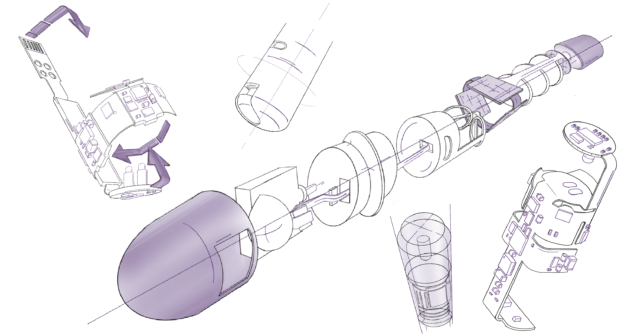
Our team creates innovative devices that combine your drug with optimal delivery methods for the most effective treatment.
Related Resources
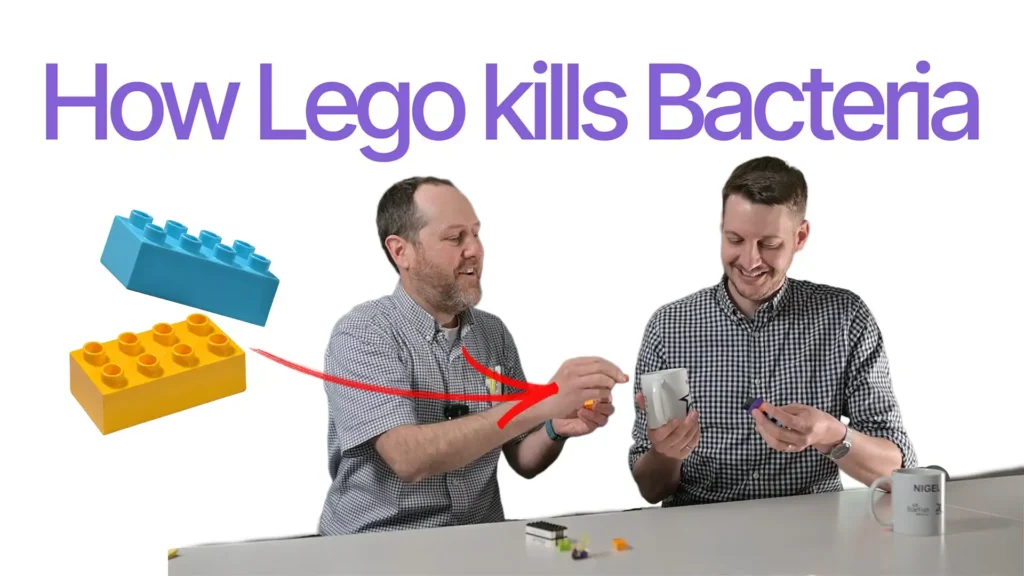
Nick Allan and Nigel Syrotuck explain exactly how aminoglycoside antibiotics work and why they’re so effective at killing bacteria.

Graphical mind maps created in online whiteboards offer a low-barrier, highly collaborative approach to early risk analysis in medical device development.

Early phase concept development is a weird part of a project lifecycle. It is often the most exciting phase, because the team is exploring possibilities, generating new ideas, and turning a fuzzy opportunity into something real.