

Wearable Health Sensors and Diagnosis
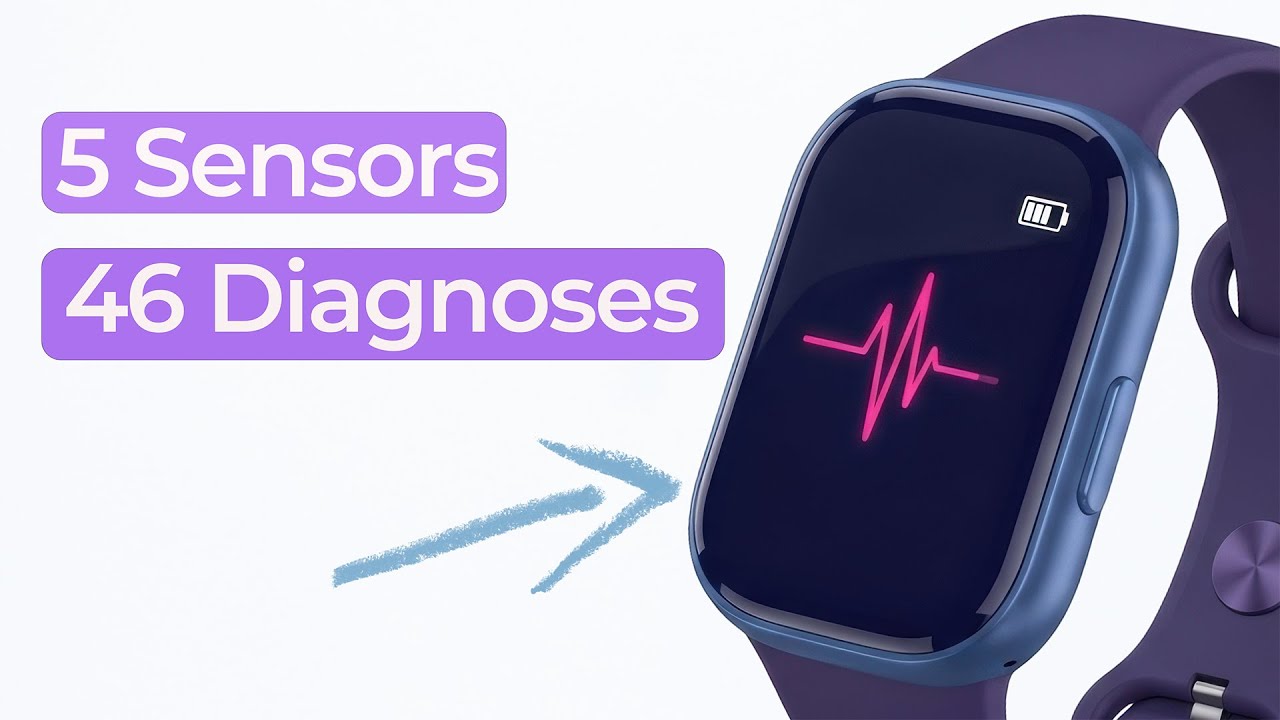
Wearable health sensors are becoming more capable as smartwatches and other devices continue to evolve. In this Bio Break episode, Nick and Nigel explore how a surprisingly small set of sensors could be used to identify a wide range of common health conditions. The conversation starts casually with a comparison between a simple Timex watch and modern smartwatches, but it quickly moves into deeper questions about sensing, diagnosis, and where wearables fit between wellness and medical devices.
How Wearable Health Sensors Are Expanding
As wearables become more advanced, they can sense more signals from the body. Nigel shares a long-standing interest in whether a limited number of sensors could diagnose many conditions. Rather than adding endless hardware, the idea focuses on selecting sensors that overlap across multiple use cases. This approach keeps systems simpler while still delivering meaningful insights.
Importantly, the discussion highlights the tension companies like Apple have faced when deciding whether a product is a wellness device or a regulated medical device. That distinction shapes how wearable health sensors are designed, validated, and positioned in the market.
Diagnosing Common Conditions with Fewer Sensors
Using a paper-based analysis, Nigel estimates that around 46 common conditions could be identified using just five sensors. These conditions tend to be ones with external or observable symptoms and may be chronic or episodic. Examples mentioned in the episode include pregnancy, common colds, asthma, and breathing difficulties.
Rather than chasing rare diagnoses, this model prioritizes conditions people experience frequently. As a result, wearable sensors can deliver more value without unnecessary complexity.
Finding the Core Sensor Set
Not every condition makes sense to include. Adding a sensor to capture only one or two extra diagnoses quickly becomes inefficient. Instead, the conversation points to a core group of sensors that form a nucleus. This nucleus provides the greatest overlap across many conditions, which is key for scalable wearable health sensors.
Reliability Still Matters
Despite all the potential of smart devices, the episode closes with a reminder that reliability is still valued. A simple watch may not diagnose conditions, but it works consistently. That contrast underscores the challenge for wearable diagnostics as they move closer to medical use.
Enjoying Bio Break? Sign up to get new episodes sent to your inbox.
Related Resources

The hourly rate is only a starting point when you choose a medical device engineering firm. Learn how to judge team staffing, in-house disciplines, facilities, ISO 13485 scope, and track record before you sign.

Medtech leaders expect connected products to take over their portfolios within five years. Three years of actual FDA clearance filings show a real climb, just a much more gradual one.

Learn why supply chain, process, cost, and quality gaps stall cleared devices, and why they are decided during design.

From skipping the doers to estimating toward a target budget, these ten project estimation pitfalls explain why good estimates go wrong and what to do instead.