
PhotoThera
Client Snapshot
PhotoThera
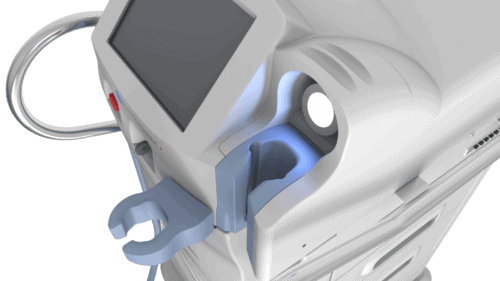
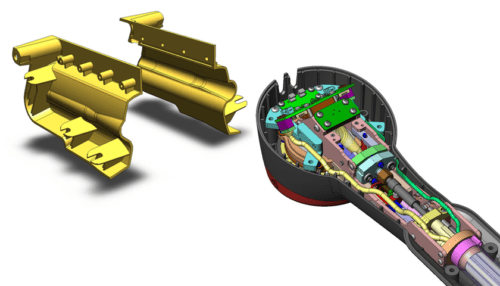
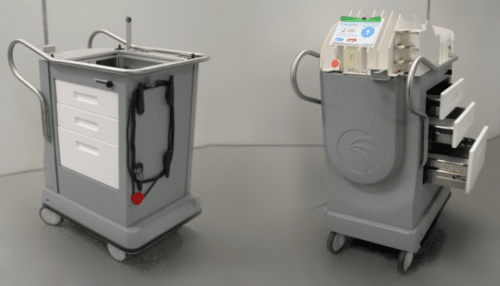
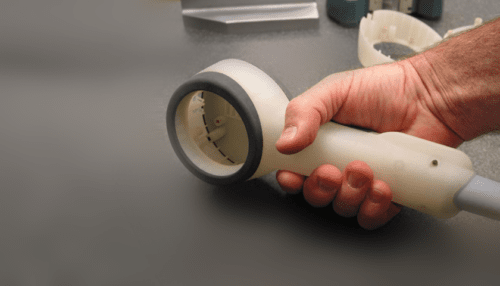
The NeuroThera System, De Taboada said, consists of a fiber optic cable, a handpiece, a cap that guides the laser energy to treatment locations on the scalp, accessories and a cart for portability.
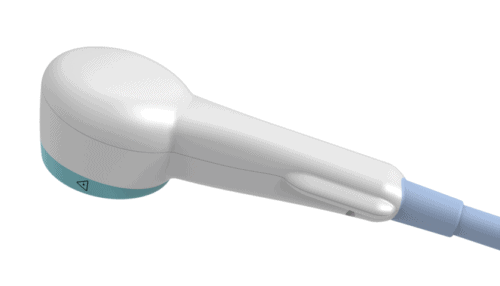
When the system establishes contact with the patient’s completely shaved head, detectors in the handpiece trigger it to emit a specific wavelength of near-IR energy. “A total treatment regimen consists of treating 20 locations on the head for two minutes at each location for a total of 40 minutes of nominal treatment time,” De Taboada said.
The mitochondrial photoreceptor cytochrome C oxidase absorbs near-IR and drives adenosine triphosphate (ATP) formation by oxidative phosphorylation, he explained. The hypothesis goes that improved energy metabolism leads to mitigation of cell death in the stroke-affected tissue and to the enhancement of neuro-recovery mechanisms.
The improved neurometabolism could be beneficial not only in stroke treatment, but also in treating traumatic brain injury, and Parkinson’s and Alzheimer’s diseases, he said.
Explore Other Case Studies
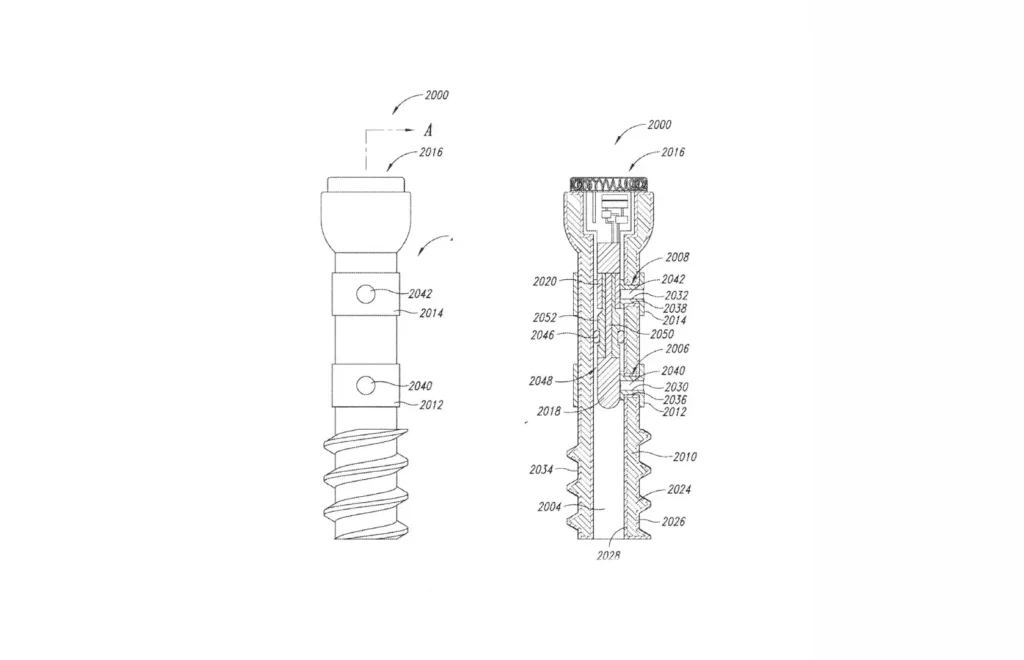
StarFish Medical helped Canary Medical develop a smart implantable screw using EIS to monitor fracture healing without repeated imaging.
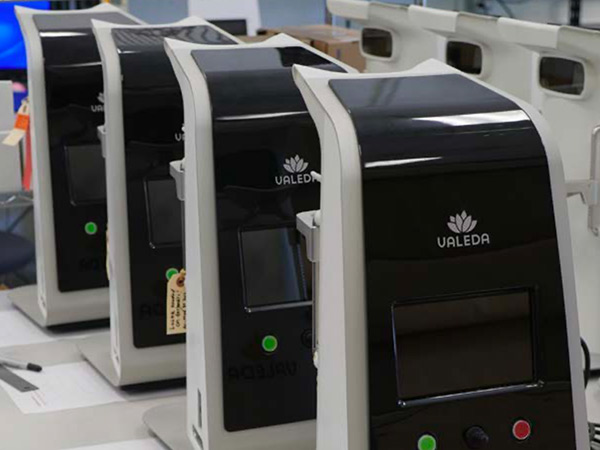
LumiThera chose StarFish Medical for their expertise in navigating the path from late-stage prototype to commercial launch.

Theranostics represent a promising new frontier in cancer treatment, offering hope alongside a unique set of challenges for healthcare providers.
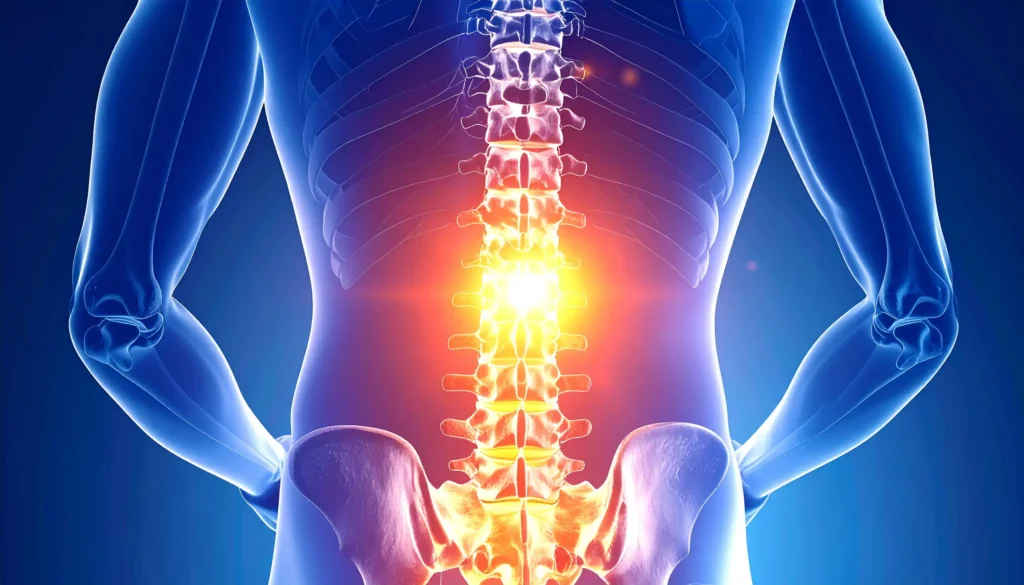
A leading research institution tackling the challenge of motor neuron degeneration in ALS developed a novel approach to treatment: deliver GDNF-secreting neural progenitor cells directly into the spinal cord to provide sustained neurotrophic support.
Explore Our Services

Our multidisciplinary teams have all the in-house capabilities to transform your medical device from concept to final product.

Medical device design and development with a commercial launch focus. See how we support clinical trials and facilitate seamless tech transfers.

We help you navigate complex regulatory landscapes to achieve commercial success. Explore our integrated approach to quality and regulatory services.