
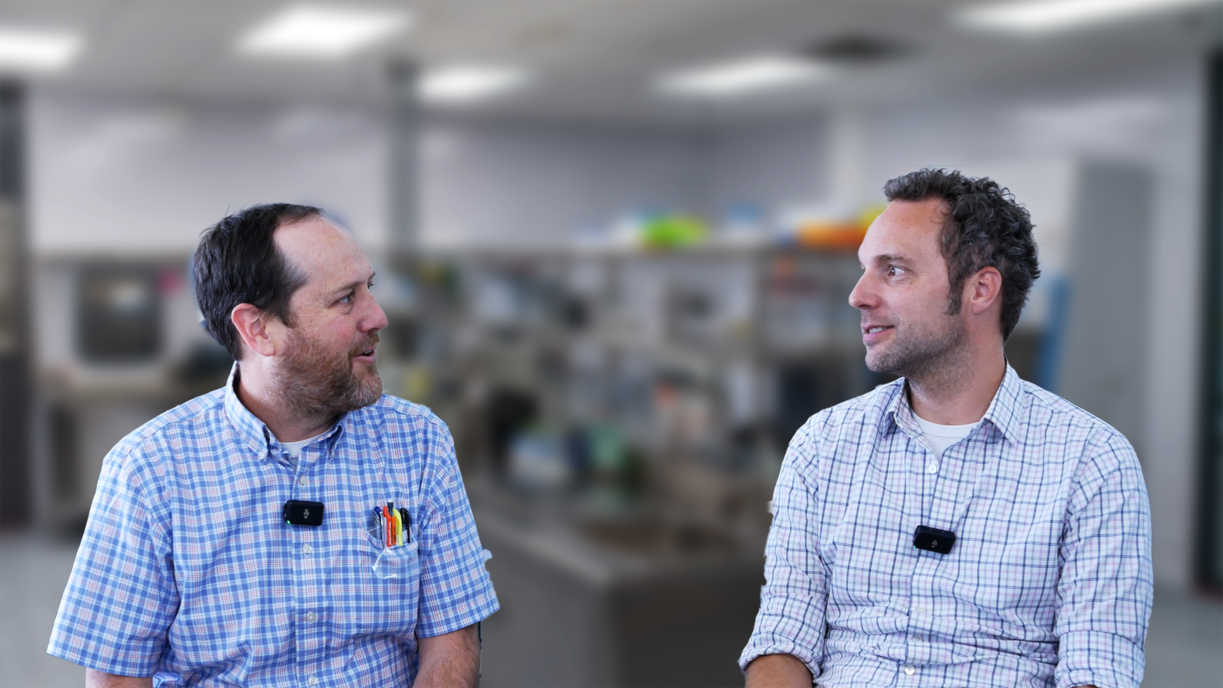
Bio Break: The Power of Ablation
In this episode of Bio Break, Nick and Joris dive into the rapidly growing field of minimally invasive medical technologies, focusing on a powerful technique that’s reshaping patient outcomes: ablation.
Joris explains that where open surgery was once the norm—think long hospital stays and extensive recovery—today’s patients can often benefit from procedures that require only small incisions and short hospital visits. At the core of many of these advancements is ablation technology.
So, what exactly is ablation? It’s the targeted removal of tissue from the body, usually done by a healthcare professional using minimally invasive tools. There are several types (chemical ablation, electrical ablation, and thermal ablation) each suited to different conditions and tissues. But regardless of the method, the goal is the same: safely and precisely eliminate unwanted or problematic tissue while minimizing disruption to the body.
Nick and Joris explore some of the most compelling use cases. From treating small tumors to managing chronic pain and even correcting cardiac arrhythmias, ablation is proving to be a versatile solution. One standout application is pain management, where ablation can target specific nerves responsible for chronic pain, such as persistent back issues. In cardiology, it’s commonly used to address irregular heart rhythms by disrupting malfunctioning electrical pathways.
And while the procedure offers numerous benefits, shorter recovery times, reduced risk of complications, and improved patient comfort, there are also important considerations. Since the procedure doesn’t involve fully opening the body, visibility is limited. That’s why sophisticated medical imaging is critical to its success. As a result, ablation is typically performed in advanced hospital settings with access to the right tools and expertise.
The Power of Ablation
Related Resources

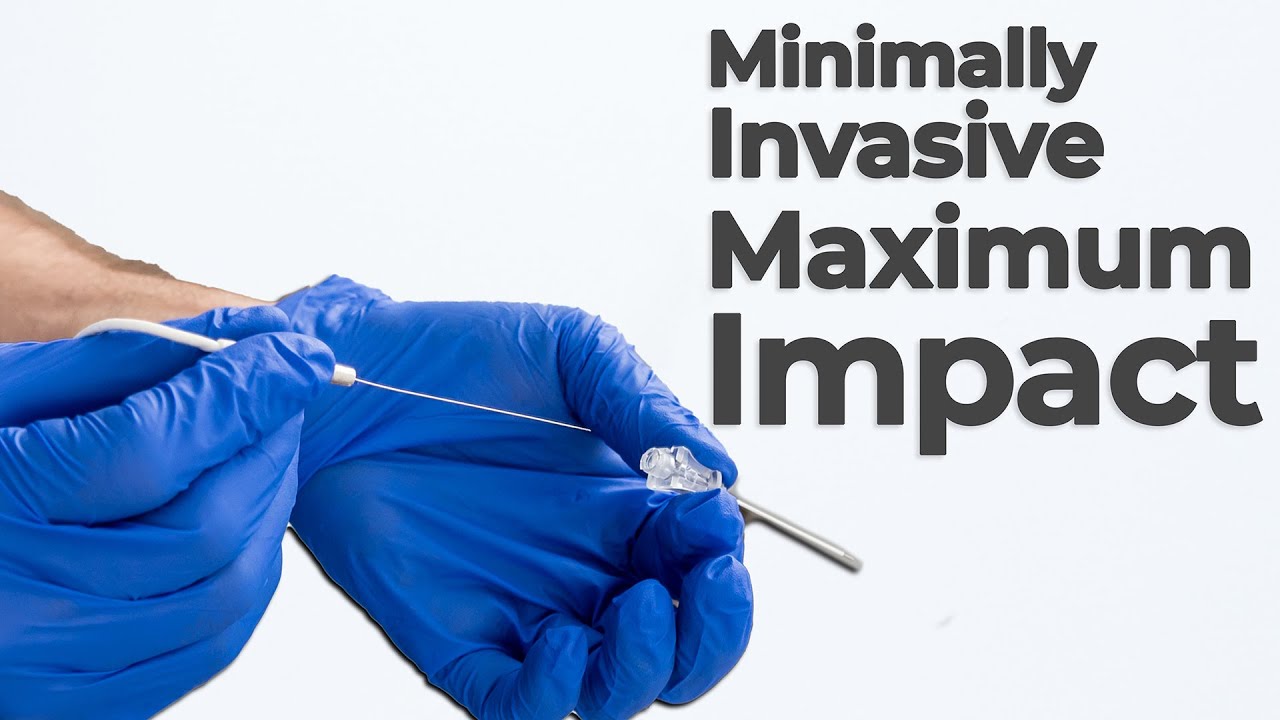
Nick and Nigel breaks down what actually goes into the cost of getting a sterilized device into a user’s hands, and why up to 30% of costs can sit in places most teams don’t plan for.
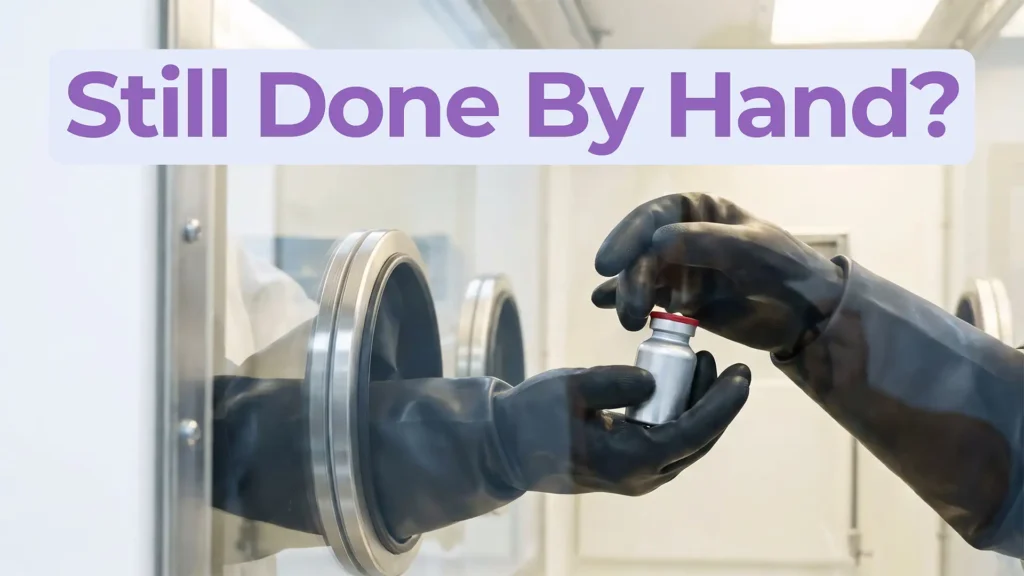
Theranostics combines diagnosis and therapy into a single targeting system, using one ligand to attach to two different radioactive payloads, one for imaging and one for treatment. It represents a significant shift in how cancer is being identified and treated. But the theranostics delivery workflow tells a different story.

Most medical devices were designed for clinical settings, not the patients and caregivers who increasingly rely on them at home. Here’s what good home-use device design actually requires.

How do you measure comfort in medical device design? Explore the tools, scales, and study design principles that turn a subjective experience into actionable design data.