Resource Centre

Discover a wealth of knowledge and insights from the experts at StarFish Medical. Our Resource Centre offers product development tips, reviews of new and cutting-edge technologies, and in-depth articles on regulatory updates and compliance in medical device development.

Archive Filters
Actions
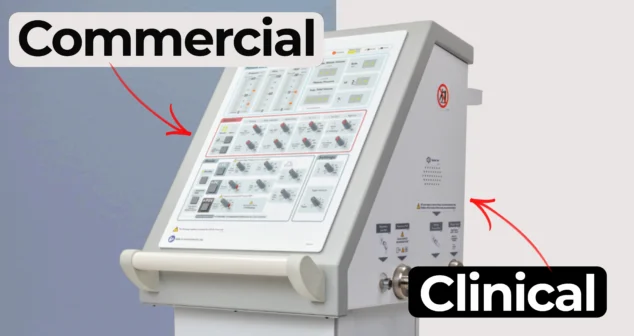
  • Visual comparison supporting clinical ventilator development and commercial device design.

    Understanding how clinical ventilator development differs from commercial ventilator design is essential for teams planning early studies.

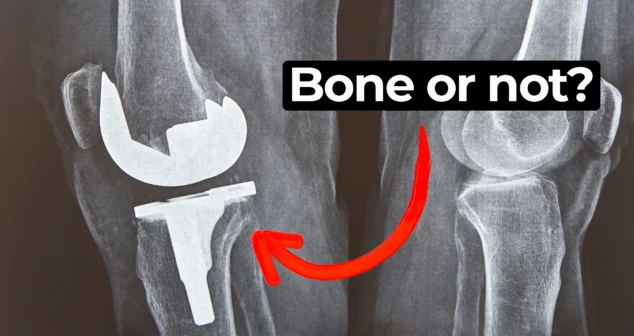
  • X-ray image showing two human knees side-by-side. The right knee appears intact with natural bone structure, while the left knee has a visible knee replacement implant, including metallic components. A bold caption in the upper center reads "Bone or not?" and a red curved arrow points from the text to the knee with the implant, emphasizing the contrast between natural bone and artificial joint.

    In this episode of MedDevice by Design, Ariana and Mark dive into the biomechanics and materials science behind osseointegration for implants.

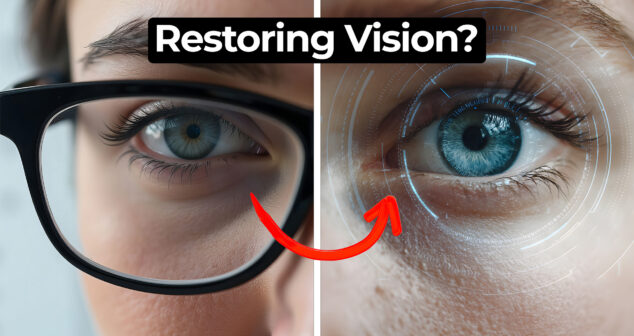
  • Split image showing two close-up views of a human eye. On the left, the eye is seen through thick black-framed glasses, indicating impaired vision. On the right, the same eye is enhanced with a futuristic digital overlay of concentric circles and interface elements, suggesting advanced vision restoration technology. A red curved arrow points from left to right, implying improvement. Bold text at the top reads "Restoring Vision?"

    Ariana and Mark explore how accommodative intraocular lens technology may one day restore natural vision for people who require cataract surgery or suffer from presbyopia. As Mark shares, traditional bifocals are not ideal, and new lens solutions may offer better outcomes.

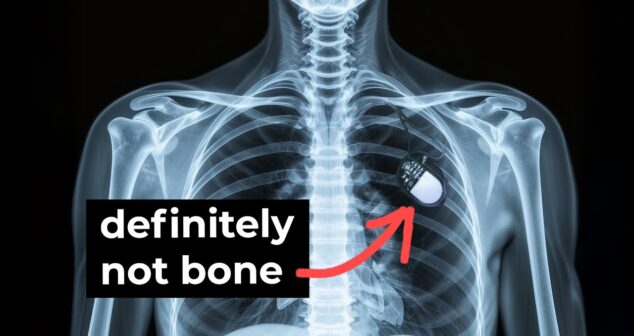
  • X-ray image of a human chest showing bones in high contrast. A visible electronic device, likely a pacemaker or implant, is located in the upper left chest area. A bold red arrow points to the device with a label in black and white text reading “definitely not bone.”

    Mark and Ariana explore the surprising versatility of barium sulfate—a material used widely in both diagnostic procedures and medical device manufacturing. While many recognize it as the contrast agent you drink before an X-ray, it’s also a key additive that enhances plastic components across the healthcare industry.

  • Gloved hand holding a test tube filled with red liquid, with a large red arrow pointing at the tube on a blue gradient background.

    We explore a groundbreaking shift in how Alzheimer’s disease may soon be diagnosed. Instead of relying on invasive spinal taps or costly PET scans, researchers have developed a blood test that detects key proteins associated with the disease—offering a more accessible and patient-friendly screening method.

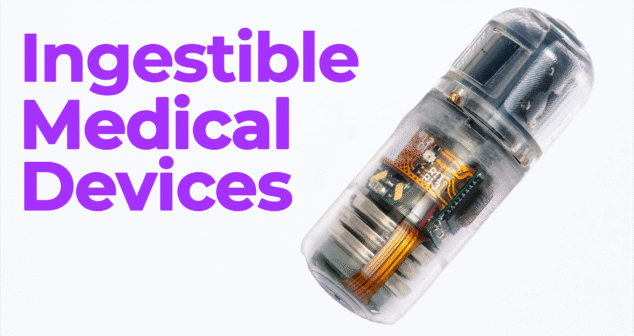
  • A transparent capsule-shaped ingestible medical device is shown on the right, revealing internal electronics, circuits, and components. On the left, bold purple text reads “Ingestible Medical Devices” against a clean white background.

    Mark Drlik and Ariana Wilson introduce the fascinating world of ingestible capsules—tiny, swallowable medical devices that are revolutionizing gastrointestinal health monitoring and targeted therapy.

  • A gloved hand holds a syringe near the palm of another hand, which has a white grid drawn on it. The needle is poised to inject at the intersection of the lines. The background is plain white, drawing focus to the skin and procedural markings.

    While most people think of Botox as a simple beauty treatment, there’s a surprising amount of engineering, anatomy, and precision behind the process.

  • A close-up view of a transparent smart bandage with an embedded microchip adhered to human skin. The circuit lines are visible on the bandage surface. Overlay text reads “Theranostic? Smart Bandages” with “Theranostic?” in bold purple and “Smart Bandages” in bold black, set against a soft blue and skin-toned background.

    A theranostic wound dressing does more than cover a cut—it actively detects infection and delivers targeted treatment.

  • A man in a blue shirt and glasses, wearing a lapel microphone, smiles while holding a small circular device with wires. Large bold purple text on the left side of the image reads "From Prototype to Impact" against a white background.

    In this episode of MedDevice by Design, we follow the development journey of a transformative chest therapy device for cystic fibrosis patients. Host Mark Drlik introduces a voice coil prototype from an early-stage project that would eventually evolve into the Hill-Rom Monarch—a commercial system delivering high-frequency chest wall oscillation therapy.