

ADLM Diagnostics Innovation and COVID Testing

In this Bio Break episode, Nick Allan and Nigel Syrotuck reflect on recent ADLM diagnostics innovation and how it has shaped the future of clinical testing. The Association for Diagnostics & Laboratory Medicine (ADLM) recently wrapped its annual showcase in Chicago, and as always, it left a strong impression on the medtech community.
While discussing highlights from the show, Nick and Nigel zero in on a perfect case study of ADLM diagnostics innovation: the evolution of COVID-19 testing. From the early days of enzyme-linked immunosorbent assays (ELISAs) to the familiar lateral flow tests we now perform at home, diagnostics have become faster, simpler, and more accessible. This transformation—from complex lab environments to point-of-care and even bathroom-counter diagnostics—was on full display at ADLM.
From the Lab to the Bathroom Counter
As Nick points out, one of the most remarkable shifts in diagnostics is how complicated procedures have been distilled into everyday routines. What once required trained technicians in controlled environments can now be done at home, often with little more than a test strip and a timer. The lateral flow transformation is a clear example of how ADLM’s influence and technology leadership help shape the direction of consumer-friendly diagnostics.
Related Resources
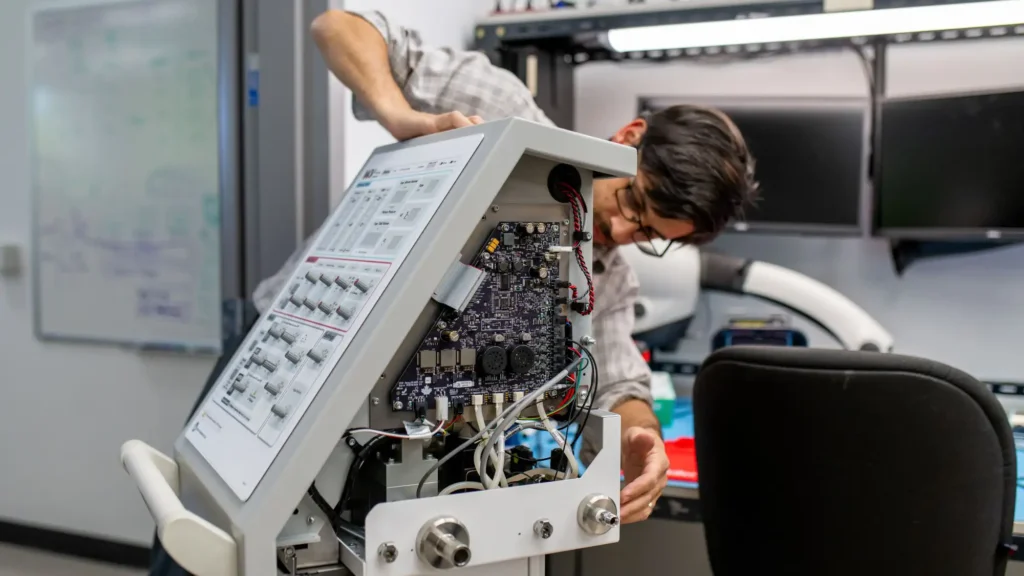
When one team designs, lays out, and brings up a board, knowledge sticks. Splitting that work across specialists looks efficient but creates the risk it’s meant to avoid.

AI coding agents like Claude and Codex are helping EE teams turn concepts into tested hardware in weeks, not months, without adding a new vendor or software dependency.
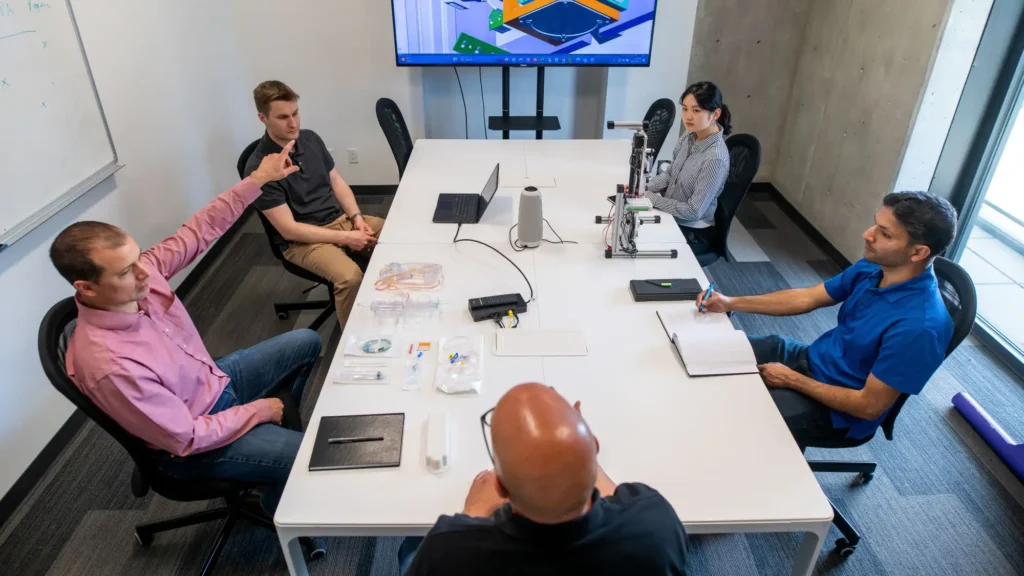
Choosing an EE partner is a program risk decision, not a staffing decision. Early architecture choices carry through to certification, and the wrong partner can cost far more than their hourly rate suggests.
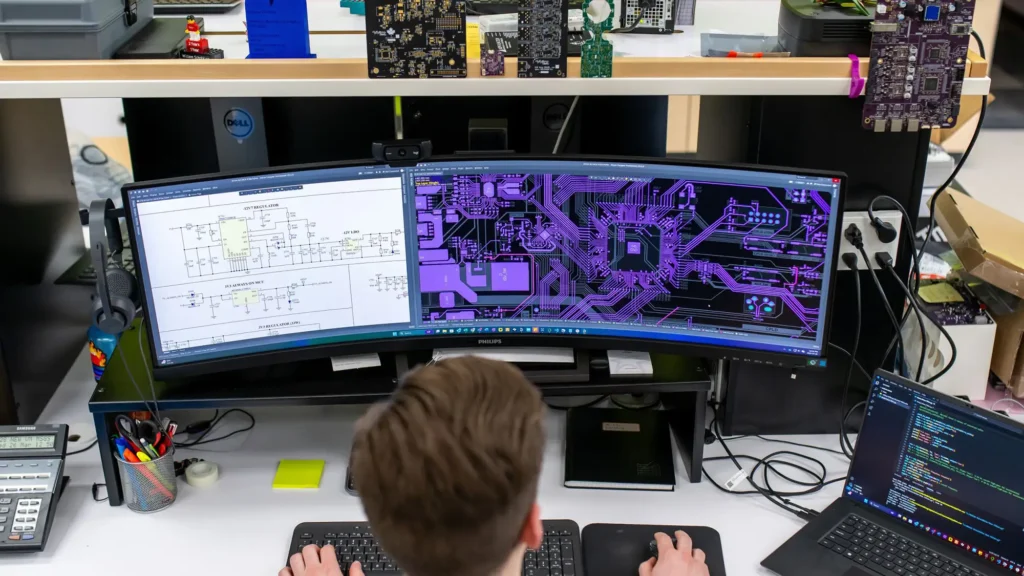
PCB stack-up shapes signal integrity, EMC performance, and manufacturability long before layout begins. Getting layers and reference planes right avoids costly redesigns later.