
Resource Centre
Discover a wealth of knowledge and insights from the experts at StarFish Medical. Our Resource Centre offers product development tips, reviews of new and cutting-edge technologies, and in-depth articles on regulatory updates and compliance in medical device development.
-

Nigel Syrotuck breaks down REACH SVHC compliance for teams working with material suppliers and compliance questionnaires.
-
Five methods for building accurate project estimates, from gut feel to bottom-up, plus three add-ons that sharpen any estimate.
-

Nick and Nigel break down what actually goes into the cost of getting a sterilized device into a user's hands, and why up to 30% of costs can sit in places most teams don't plan for.
-

Nick and Nigel break down the acronym, the biology behind it, and why resistance to this particular antibiotic class matters more than most people expect.
-
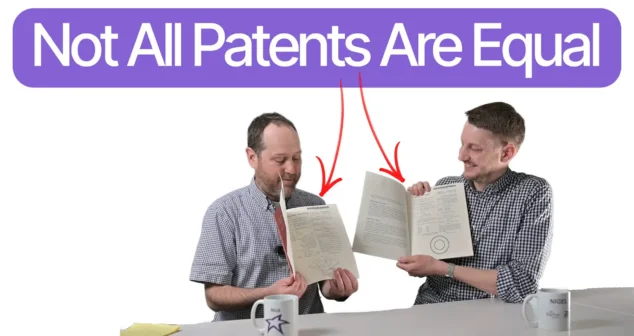
In this episode of Bio Break, Nick walks through both patent types after receiving two of his own in the mail, one of each, from the USPTO.
-
Nigel Syrotuck breaks down the realistic medical device V&V cost and schedule for terminally sterilized devices, picking up after design freeze and walking through each major phase of the process.
-

Nigel Syrotuck examines the hidden medical device sterilization costs that many development teams overlook when estimating the true cost of producing a terminally sterilized device.
-
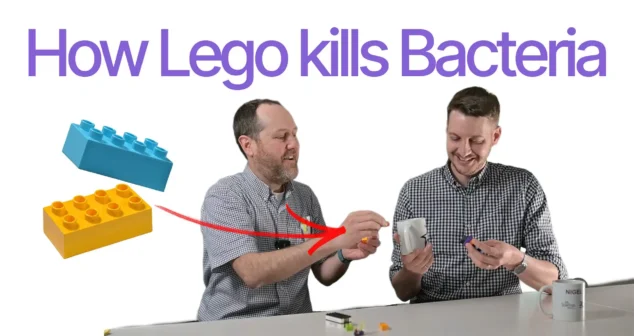
Nick Allan and Nigel Syrotuck explain exactly how aminoglycoside antibiotics work and why they're so effective at killing bacteria.
-
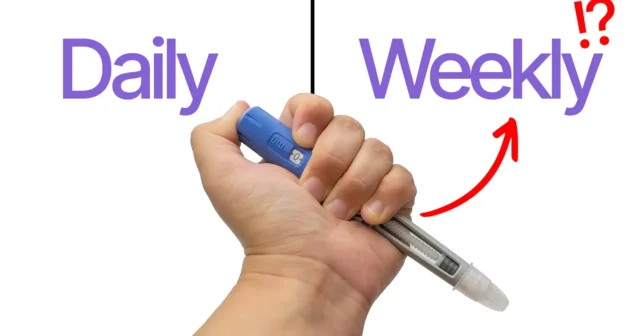
In this Bio Break episode, Nick and Nigel explore why some GLP-1 drugs are taken daily while others last a full week, and what drives that difference at a molecular level.
