
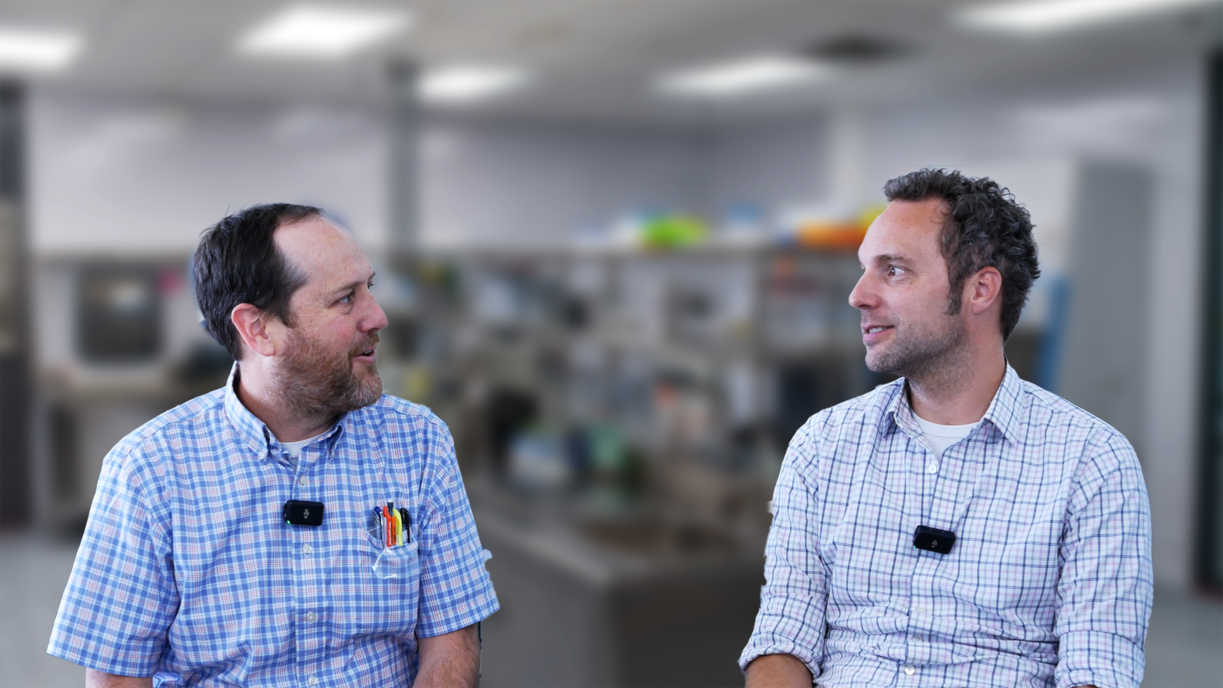
Bio Break: Core Facilities for Medical Device Development
In this episode of Bio Break, Joris van der Heijden and Nick Allan discuss the critical role of specialized facilities in the successful development of medical devices. From testing laboratories to clean rooms, they explore the infrastructure needed to support innovation and ensure safe, effective products reach the market.
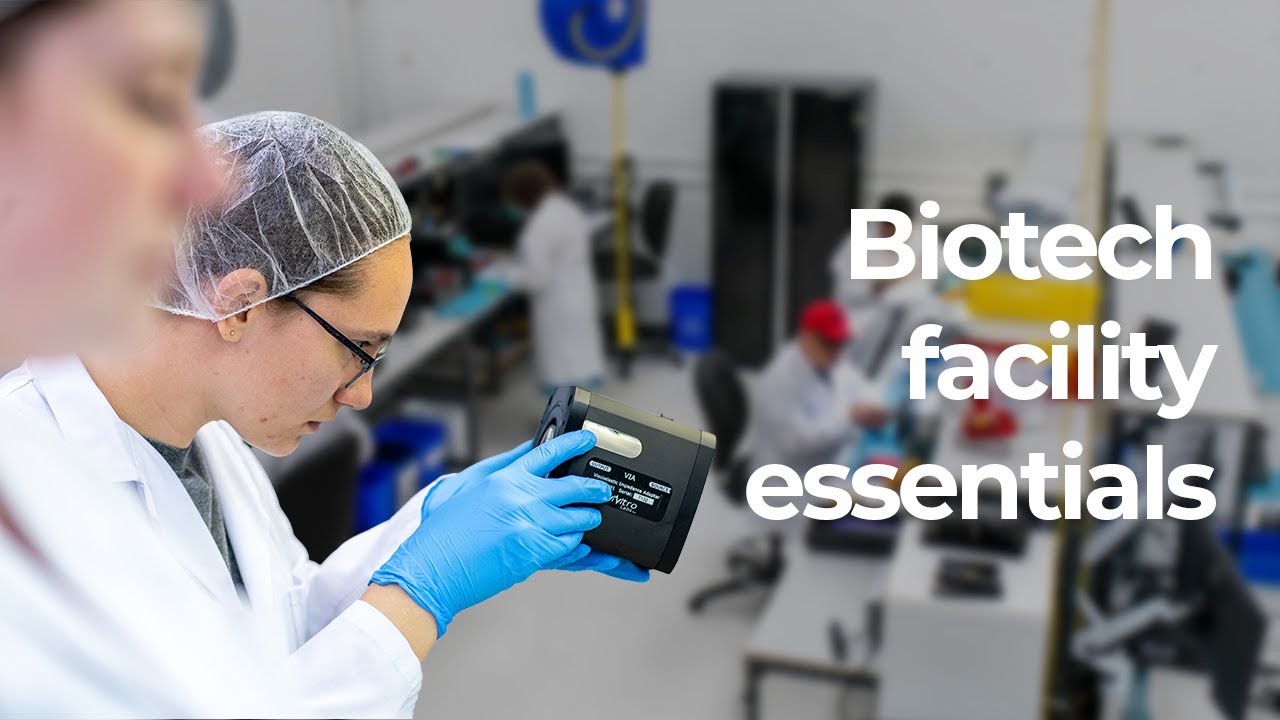
Drawing on their extensive experience in medical device development, they explain the various levels of containment and cleanliness required for different stages of development, as well as how these facilities are tailored to meet specific product needs.
Key takeaways from the episode include:
- Laboratory Safety and Containment: An overview of Biosafety Levels (BSL 1-4) and how they address varying risk factors, from basic research to handling highly infectious agents.
- Clean Room Standards: A guide to ISO classifications and their applications in medical device assembly and production.
- Facility Fit for Purpose: Understanding how to match the level of containment or cleanliness to your product’s development stage and regulatory requirements.
Joris and Nick highlight the importance of balancing safety, cost, and efficiency in choosing the right facility. For example, while BSL 2 laboratories are suitable for most diagnostic testing, clean rooms with ISO 8 or better standards are essential for assembling medical devices. They also touch on the scalability of facilities, emphasizing the need for spaces designed for preclinical and early clinical phases rather than full-scale production.
Through practical examples and clear explanations, this episode provides valuable insights into how core facilities enable successful product development. It’s a must-watch for innovators, engineers, and executives navigating the complexities of infrastructure requirements in the medical device industry.
Discover how the right facilities can streamline your development process and help you deliver safe, effective, and compliant medical devices to the market.
Core Facilities for Medical Device Development
Related Resources
Connected health devices are multiplying fast. We examine the gap between remote monitoring’s promise and its reality.
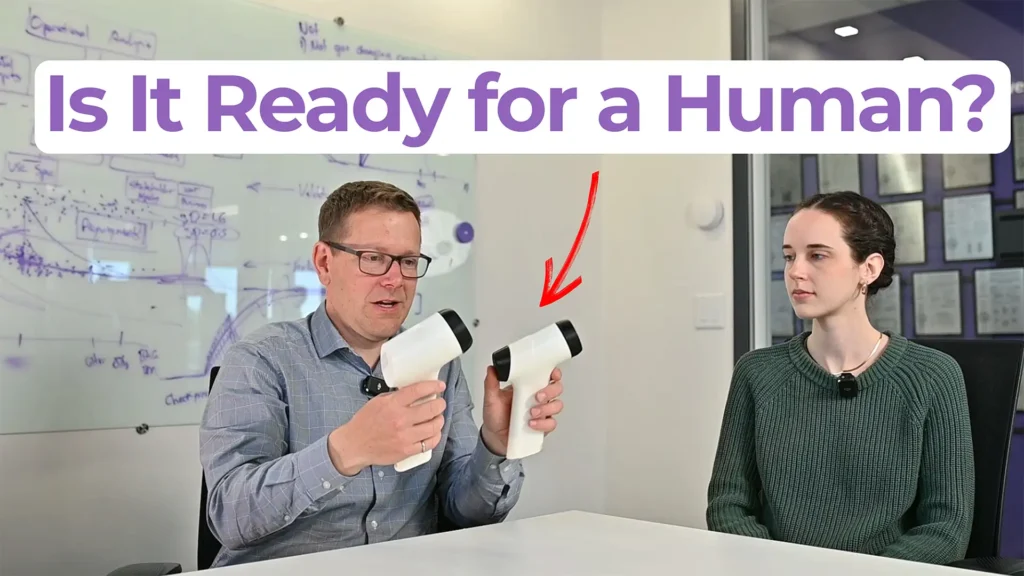
Ariana and Mark walk through what separates a clinical prototype from a proof-of-concept build, what determines how much testing and documentation you actually need, and where the regulatory line between significant risk and non-significant risk falls.
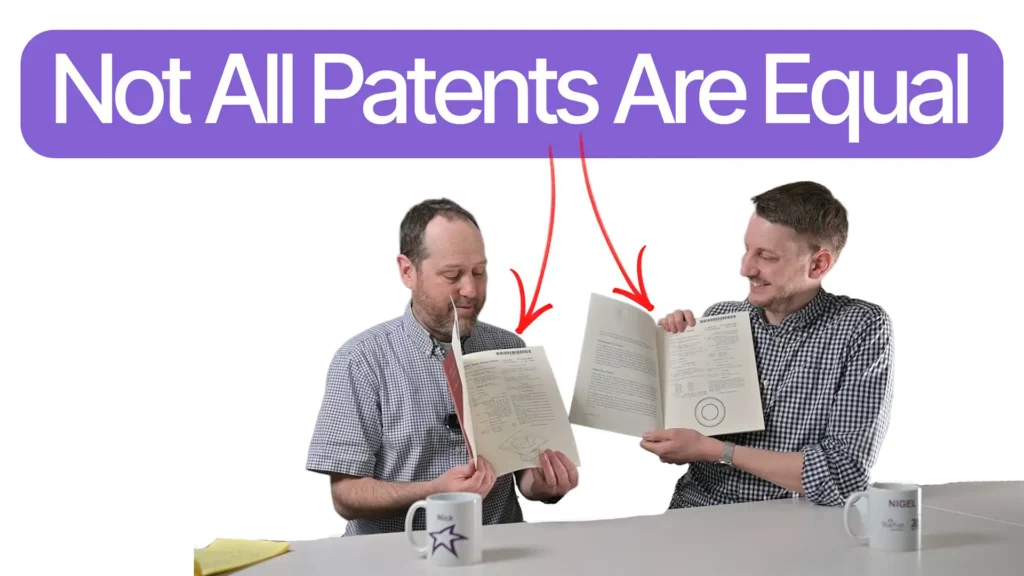
In this episode of Bio Break, Nick walks through both patent types after receiving two of his own in the mail, one of each, from the USPTO.

Scott Phillips sits down with Mickey Urdea to examine what actually distinguishes companies that reach commercial outcomes from those that do not.