
Bio Break: How to Successfully Pivot in Medical Device Development
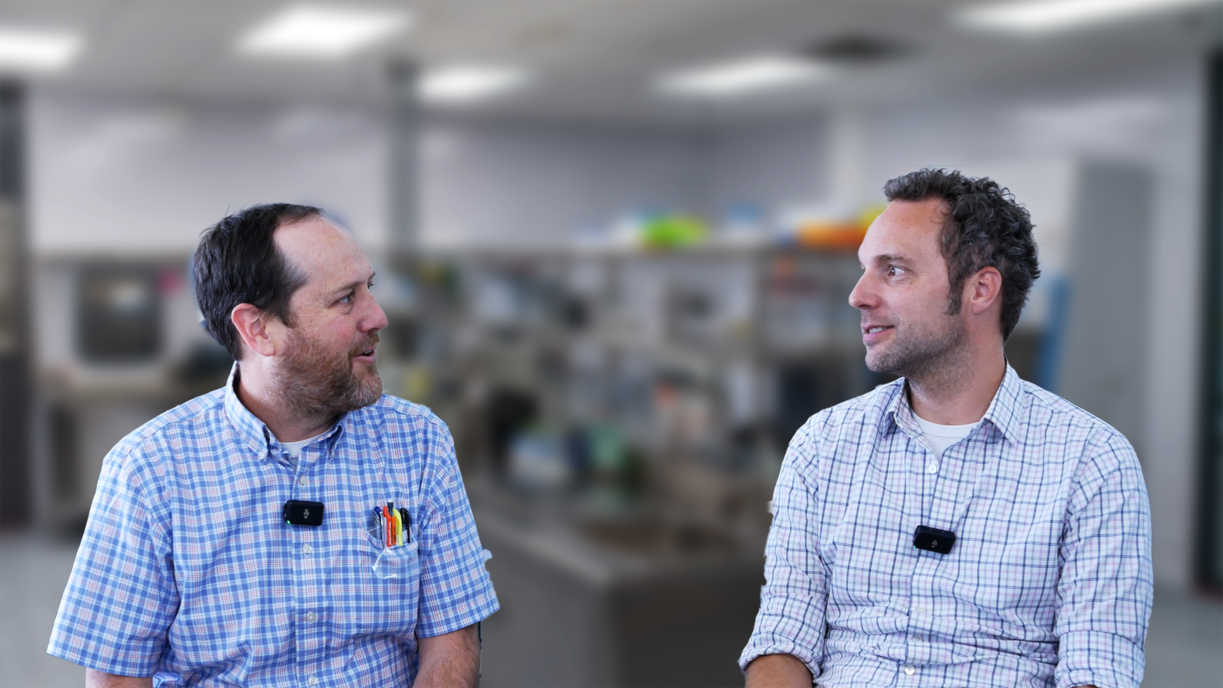
In the world of medical device development, unexpected challenges often lead to critical product pivots. In this episode of Bio Break, Nick and Joris discuss one of the most dramatic pivots they’ve encountered—transforming a lab-developed test (LDT) into a lateral flow assay to expand its market reach.
Initially, the client had a blood-based diagnostic test licensed for use in North America but wanted to serve global markets. Their original approach involved developing a blood spot sampling system, where patients would send dried blood samples by mail for lab analysis. However, after evaluating the logistics, the team proposed a game-changing pivot: converting the assay into a lateral flow test, making it more accessible and reducing the need for centralized lab processing.
This shift represented a major transformation—moving from a laboratory test requiring trained technicians to a rapid test that could be performed by users at home. This meant rethinking regulatory strategies, usability considerations, and product stability while maintaining diagnostic accuracy. The outcome? A scalable and commercially viable point-of-care diagnostic that opened new global opportunities for the company.
Pivoting in medical device innovation isn’t just about solving technical challenges—it’s about recognizing when to rethink market access, user needs, and business models. In this conversation, Nick and Joris highlight the key considerations when making strategic pivots and the lessons learned from adapting diagnostic technologies to new formats.
How to Successfully Pivot in Medical Device Development

Related Resources
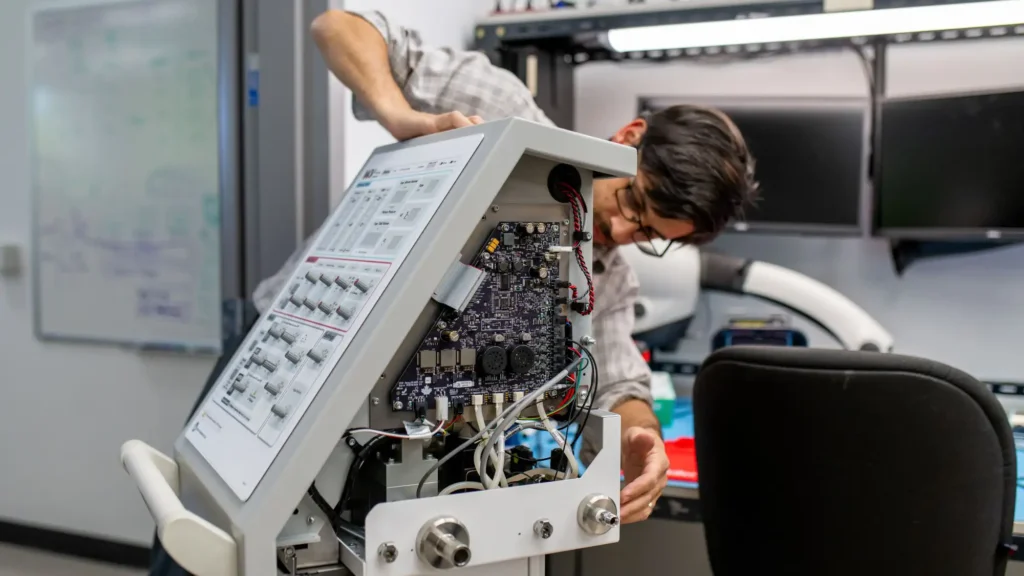
When one team designs, lays out, and brings up a board, knowledge sticks. Splitting that work across specialists looks efficient but creates the risk it’s meant to avoid.
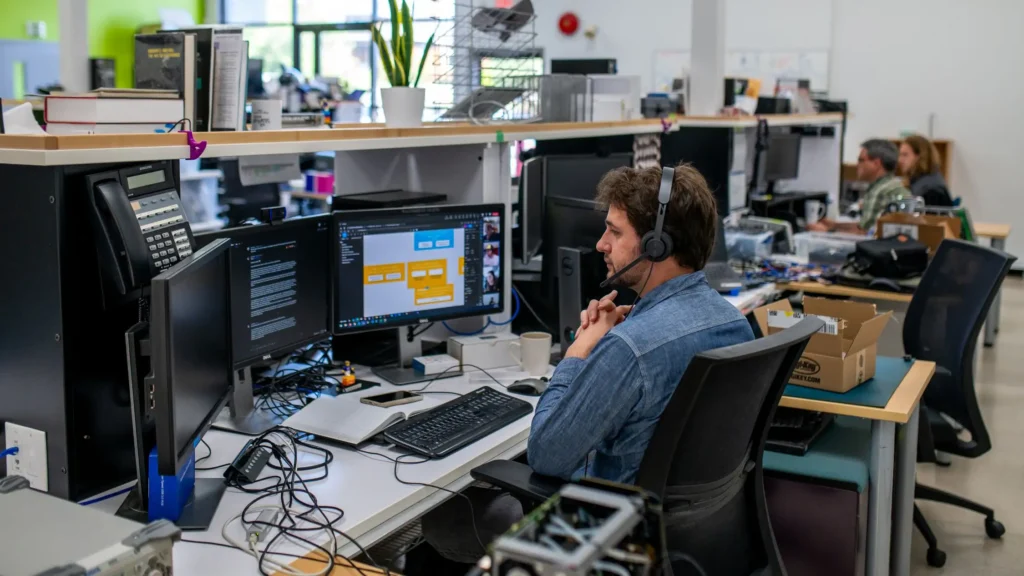
AI coding agents like Claude and Codex are helping EE teams turn concepts into tested hardware in weeks, not months, without adding a new vendor or software dependency.
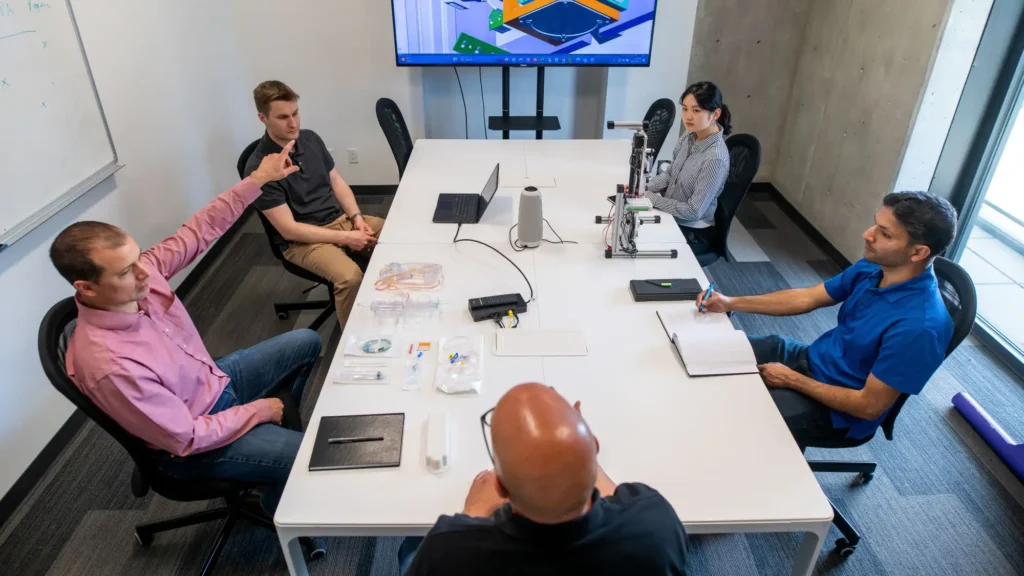
Choosing an EE partner is a program risk decision, not a staffing decision. Early architecture choices carry through to certification, and the wrong partner can cost far more than their hourly rate suggests.
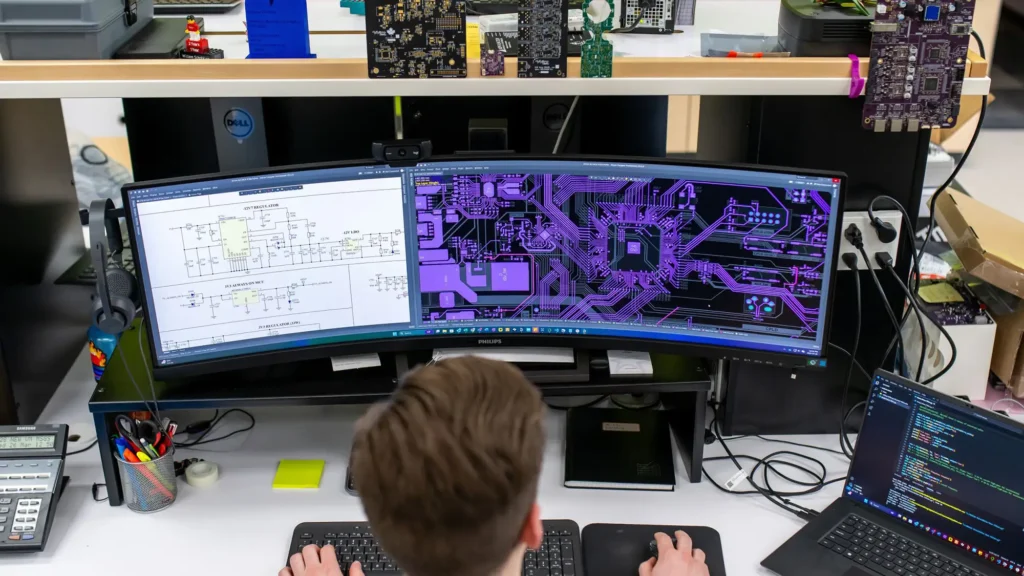
PCB stack-up shapes signal integrity, EMC performance, and manufacturability long before layout begins. Getting layers and reference planes right avoids costly redesigns later.