
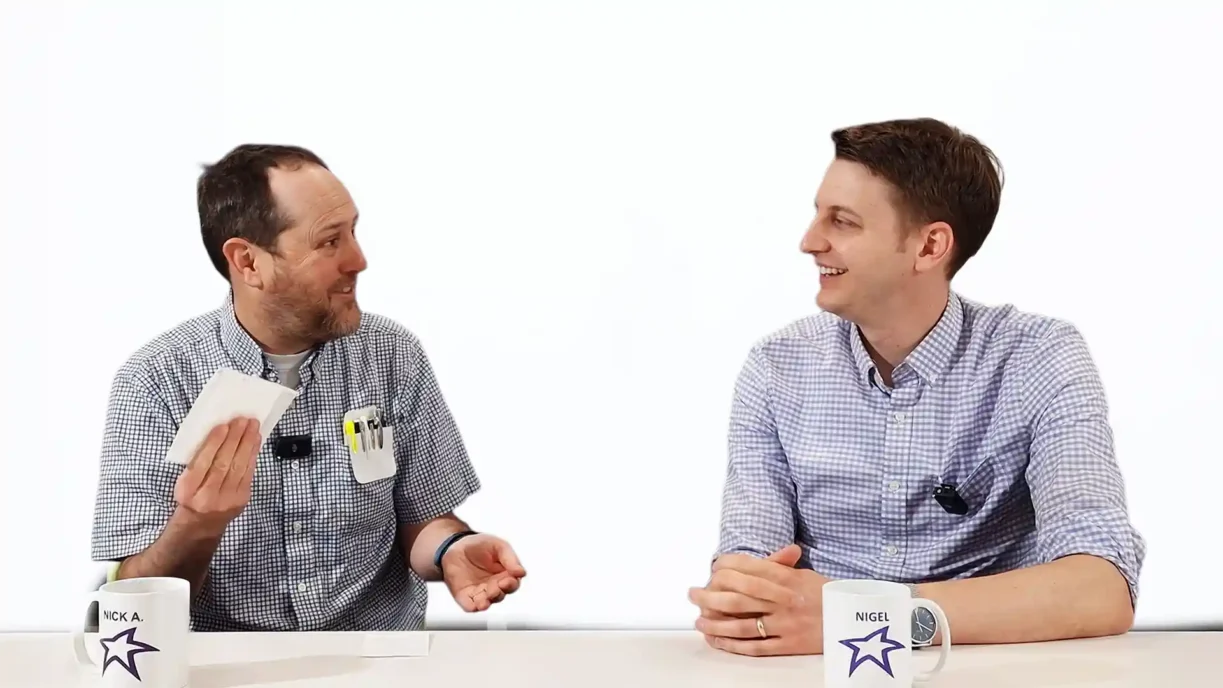
Laboratory Diagnostics Showcase at ADLM 2025

Each summer, the laboratory diagnostics showcase hosted by the Association for Diagnostics & Laboratory Medicine (ADLM) draws industry leaders to Chicago—and this year is no exception. While Nick Allan and Nigel Syrotuck didn’t attend in person, they’re tuned in and excited to share what this event means for the future of diagnostics.
In this Bio Break episode, Nick and Nigel explain the significance of ADLM (formerly AACC) as the premier global laboratory diagnostics showcase. The event brings together innovators from across the field to highlight advancements in lab testing and engineering. Though based in Victoria, the StarFish Medical team is still actively participating—through colleague Dave Dobson, who’s walking the exhibit floor.
Nick and Nigel encourage anyone interested in learning how StarFish supports diagnostic device development to connect with Dave on-site. They discuss how StarFish contributes engineering excellence to the field, and how in-person connections like ADLM drive collaboration and innovation.
Whether you’re an ADLM regular or just discovering the event, this short episode provides a quick lens into how cutting-edge diagnostics reach the market.
Why ADLM Is Still a Key Lab Diagnostics Event
Even under its new name, ADLM remains the go-to gathering for professionals working in clinical diagnostics. As Nick notes, it’s his favorite time of year, and for good reason: it’s a hub for idea exchange, tech demos, and business partnerships.
If you’re walking the floor at McCormick Place, don’t miss your chance to chat with Dave Dobson about how StarFish can accelerate your diagnostic product development.
Related Resources
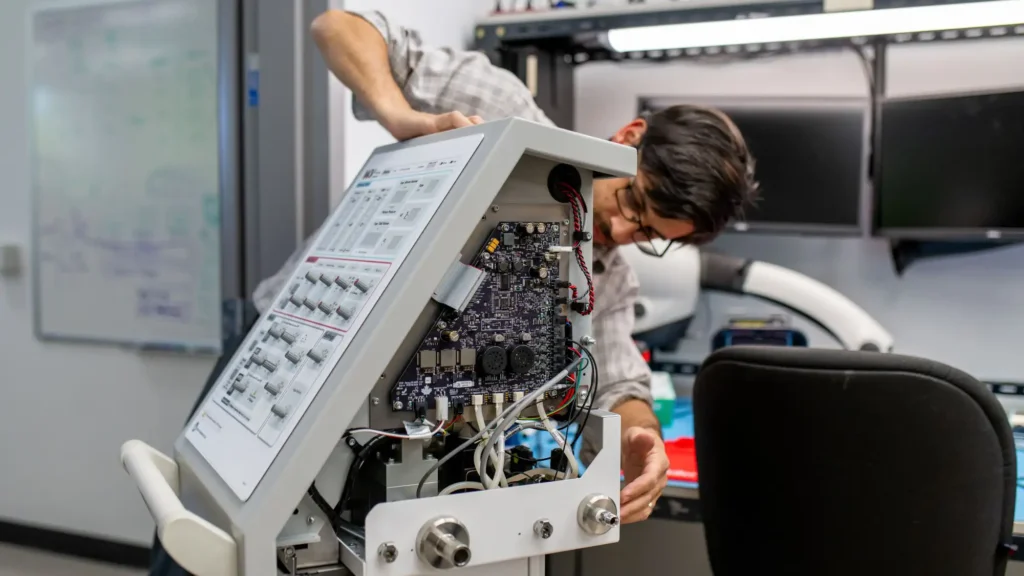
When one team designs, lays out, and brings up a board, knowledge sticks. Splitting that work across specialists looks efficient but creates the risk it’s meant to avoid.
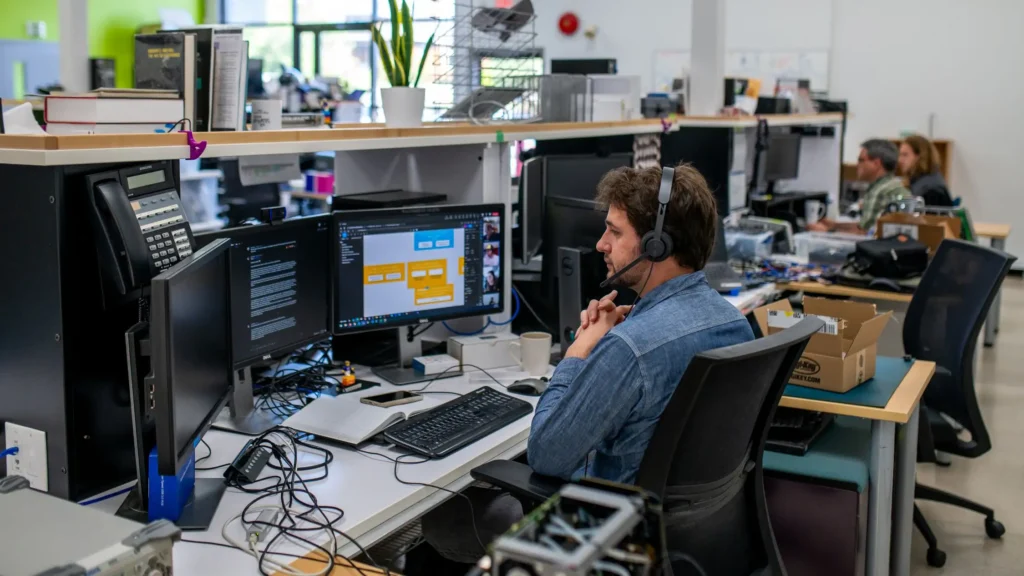
AI coding agents like Claude and Codex are helping EE teams turn concepts into tested hardware in weeks, not months, without adding a new vendor or software dependency.
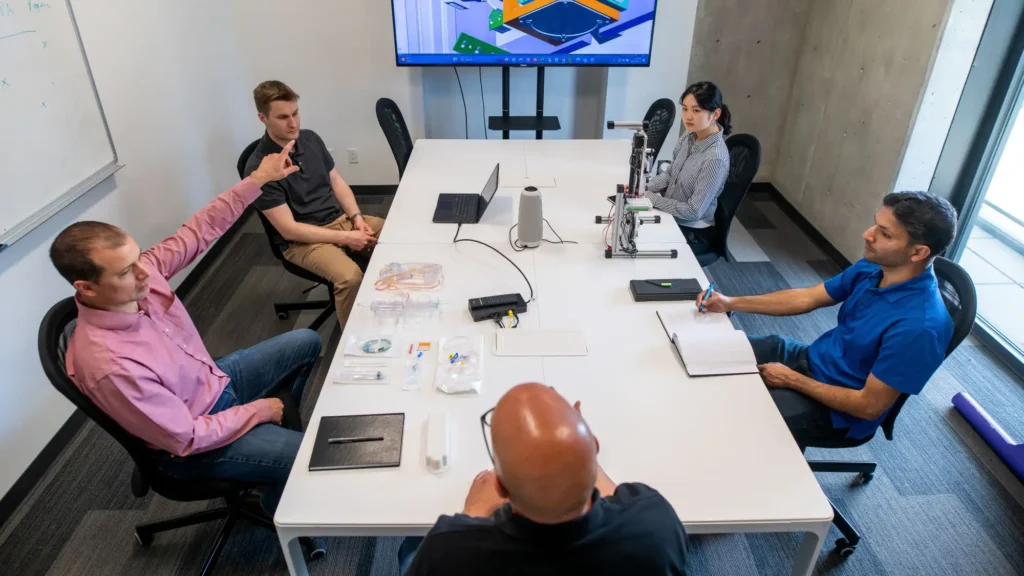
Choosing an EE partner is a program risk decision, not a staffing decision. Early architecture choices carry through to certification, and the wrong partner can cost far more than their hourly rate suggests.
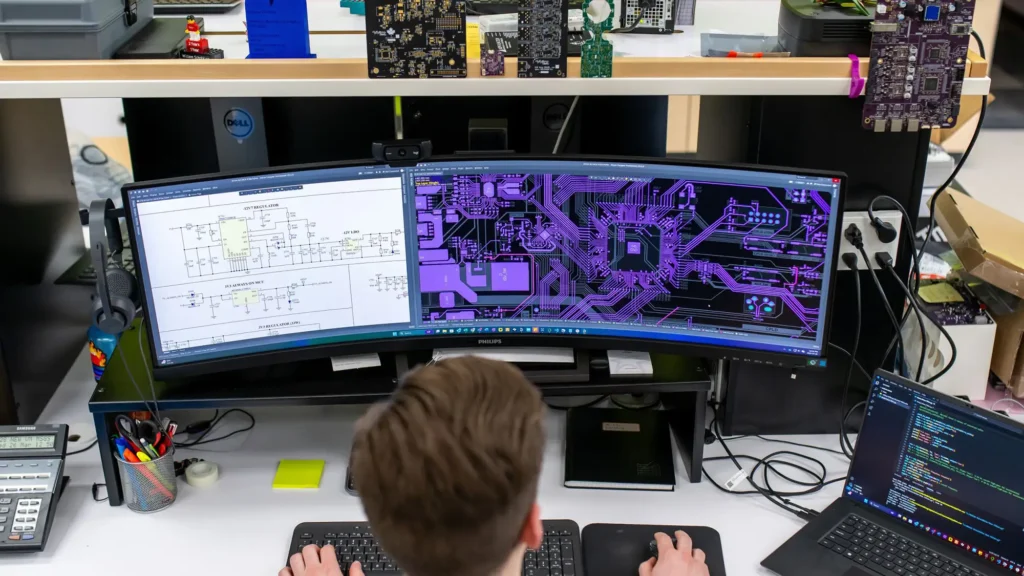
PCB stack-up shapes signal integrity, EMC performance, and manufacturability long before layout begins. Getting layers and reference planes right avoids costly redesigns later.