

Radiopharmaceutical Device Development Explained
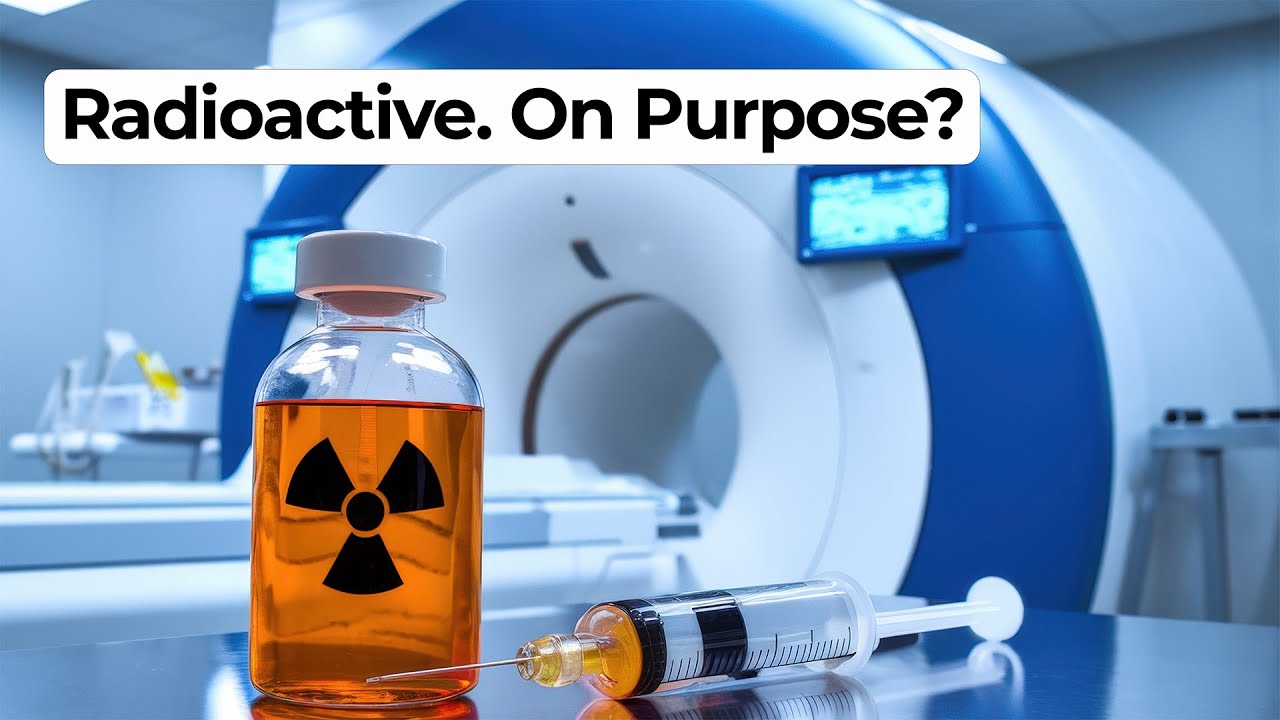
Radiopharmaceutical device development is gaining momentum as medical teams explore new frontiers in diagnostic imaging and cancer treatment. In this episode of Bio Break, Nigel and Nick dive into how radioisotopes are used in both therapeutic and imaging applications—and what it means for engineers designing devices that handle radiation safely.
Nigel explains how these radioactive compounds—like radiolabeled glucose—can help detect cancer by highlighting areas of high metabolic activity in the body. The technique is based on how tumors often consume more glucose than surrounding tissue. So when tagged with a tracer like FDG (fluorodeoxyglucose), those hotspots become visible.
Nick shares his own experience using these radiopharmaceuticals in drug delivery trials. He describes a study comparing radiolabeled compounds that either do or do not cross the blood-brain barrier. By using FDG as a positive control and FLT (fluorothymidine) as a negative control, his team was able to track how a drug reached—or failed to reach—the brain.
As device developers, the implications are clear. Designing tools that safely handle radioactive materials requires special care. From the initial generator to the final “daughter” isotopes used in patients, radiopharmaceutical workflows are complex, fast-moving, and full of potential.
For medical device innovators, this space offers exciting opportunities—especially as demand for targeted therapies and precise imaging continues to grow.
Related Resources

Nick and Nigel breaks down what actually goes into the cost of getting a sterilized device into a user’s hands, and why up to 30% of costs can sit in places most teams don’t plan for.
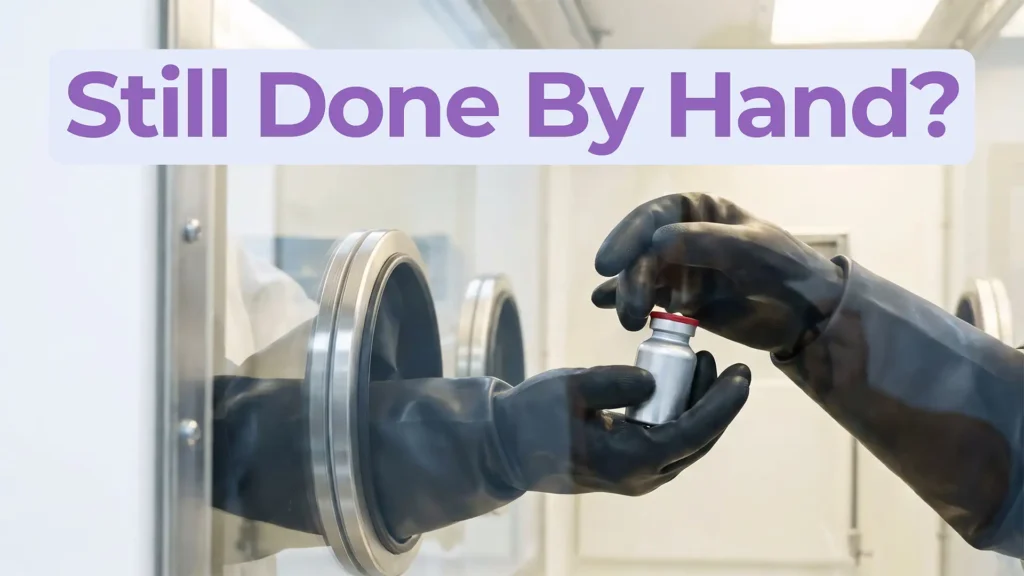
Theranostics combines diagnosis and therapy into a single targeting system, using one ligand to attach to two different radioactive payloads, one for imaging and one for treatment. It represents a significant shift in how cancer is being identified and treated. But the theranostics delivery workflow tells a different story.
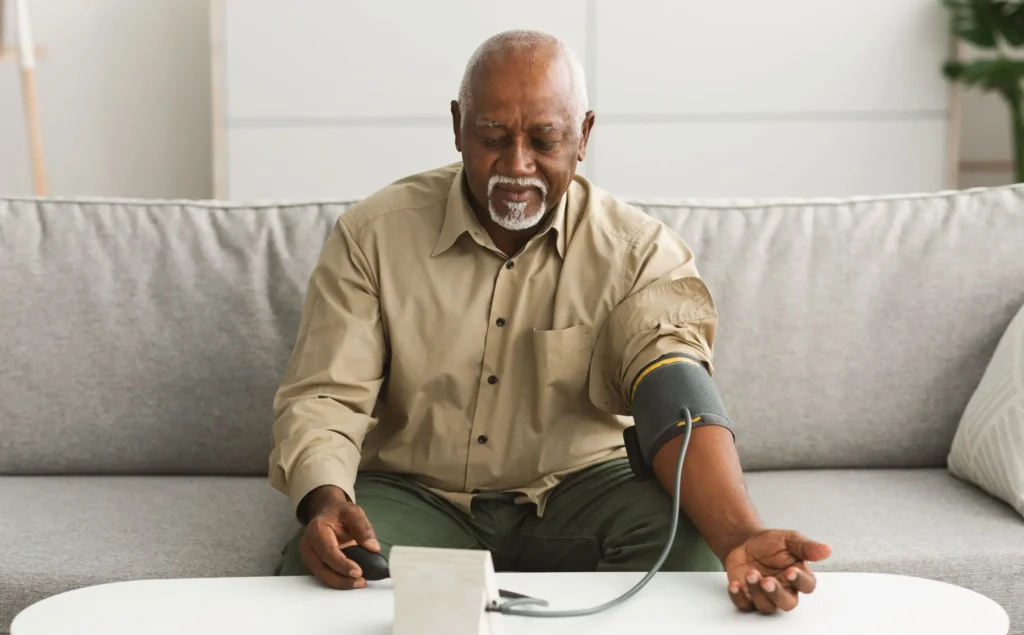
Most medical devices were designed for clinical settings, not the patients and caregivers who increasingly rely on them at home. Here’s what good home-use device design actually requires.

How do you measure comfort in medical device design? Explore the tools, scales, and study design principles that turn a subjective experience into actionable design data.