
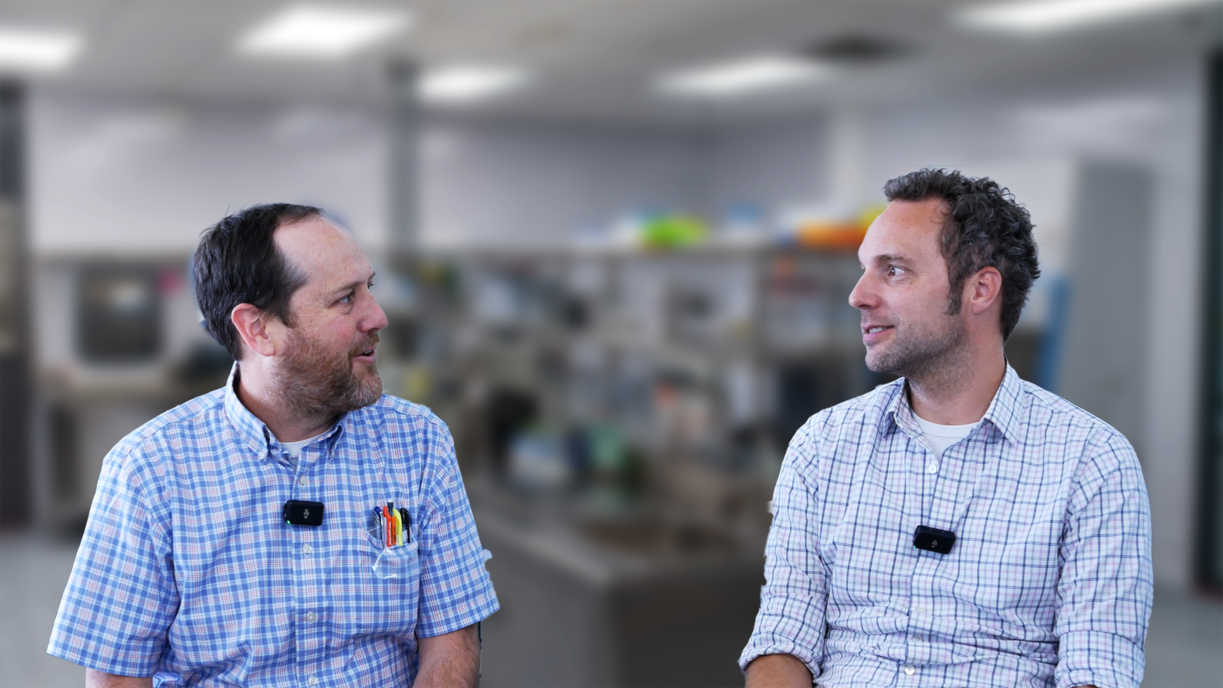
Bio Break: Understanding Clinical Trials – Key Steps and Expert Insights
In this engaging episode of Bio Break, Nick and Joris dive into the complexities of clinical trials as a critical component of medical product development. Whether you’re a developer embarking on your first trial or a seasoned professional seeking guidance, this discussion provides actionable insights and resources to streamline the process.
Nick explains the importance of starting with the Clinical Laboratory Standards Institute (CLSI), a trusted resource for comprehensive guidance documents that address every facet of trial design. He highlights CLSI document ACP 1782, which details methodologies for determining the limit of blank, limit of detection, and the essential limit of quantification—crucial factors for validating medical diagnostics.
The conversation also touches on addressing environmental substances that could interfere with trial results. From chewing gum to caffeine, CLSI’s EP7-A2 guidance document offers a framework for evaluating interfering compounds in diagnostics, ensuring reliable data even in challenging conditions. For developers working with saliva-based tests or other sensitive diagnostic tools, these guidelines are indispensable.
Precision and bias are also at the forefront of trial considerations, and Nick mentions EP15-A2, a vital CLSI resource for understanding and accounting for these metrics in trial setups. From power calculations to designing interference panels, the discussion underscores how these documents empower developers to create robust, reproducible studies.
If you’re navigating the intricacies of clinical trials, this episode is your gateway to essential knowledge. Learn how leveraging the right resources can elevate the quality and reliability of your medical device development process.
Understanding Clinical Trials – Key Steps and Expert Insights

Related Resources

Graphical mind maps created in online whiteboards offer a low-barrier, highly collaborative approach to early risk analysis in medical device development.

Early phase concept development is a weird part of a project lifecycle. It is often the most exciting phase, because the team is exploring possibilities, generating new ideas, and turning a fuzzy opportunity into something real.
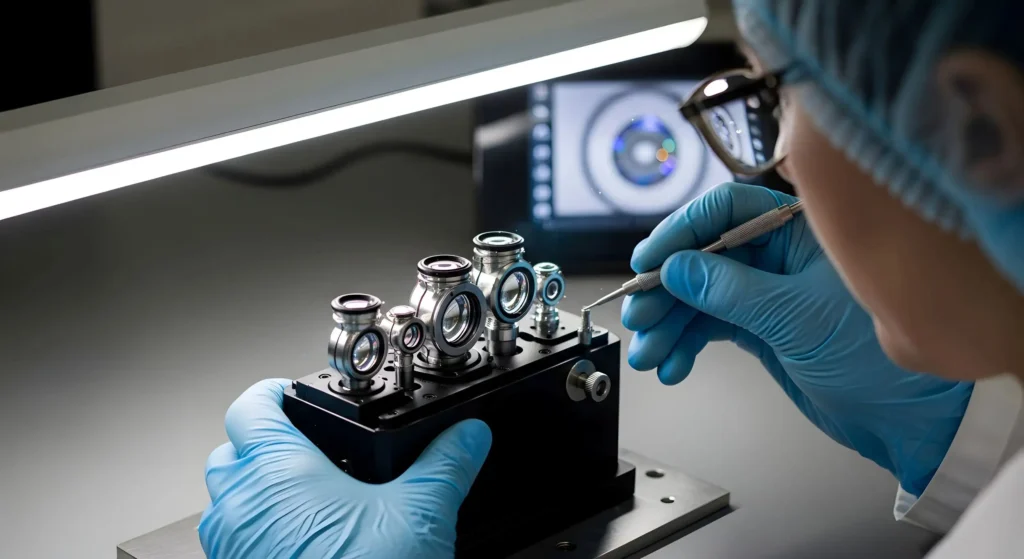
Clinical prototypes must not only function as intended, but also be manufactured, documented, and supported in a way that satisfies regulatory expectations and clinical realities.
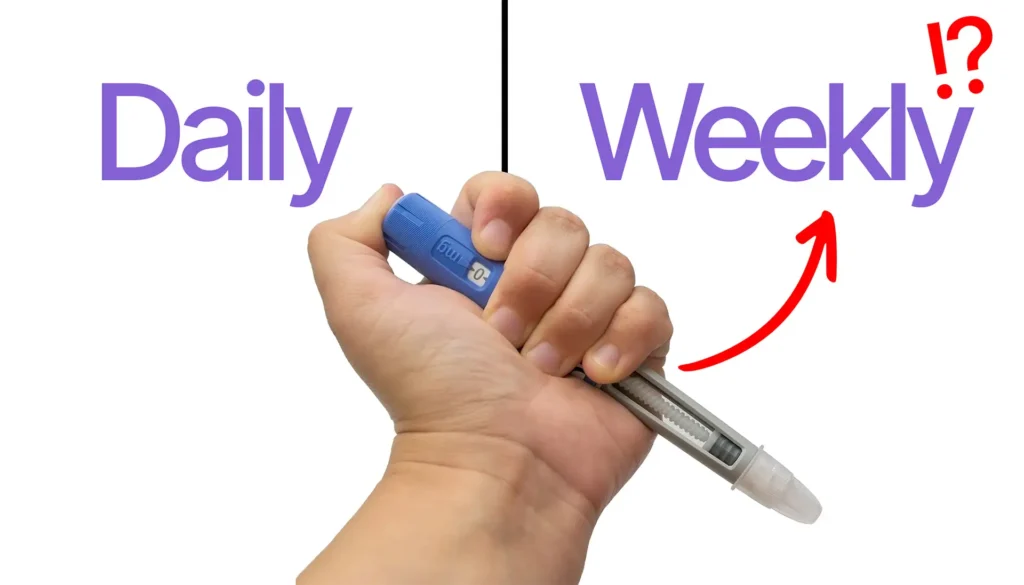
In this Bio Break episode, Nick and Nigel explore why some GLP-1 drugs are taken daily while others last a full week, and what drives that difference at a molecular level.