

Bio Break: Understanding Continuous Glucose Monitors
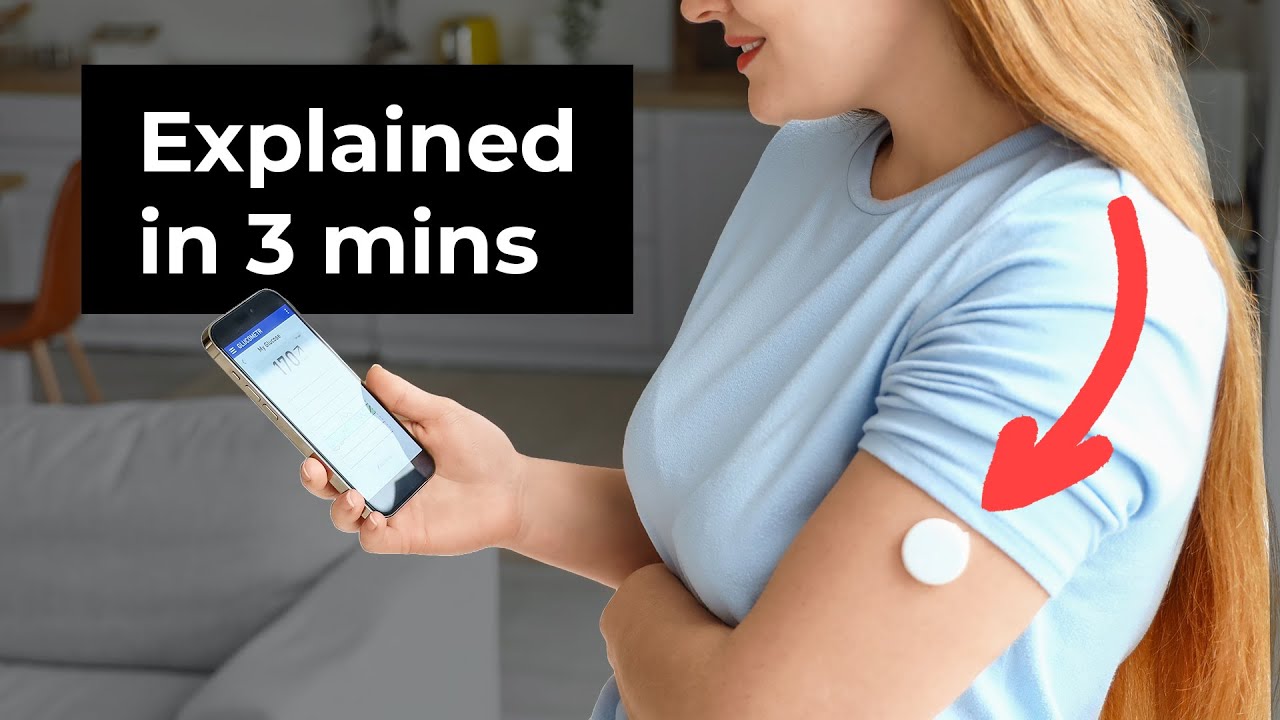
Continuous glucose monitors (CGMs) are revolutionizing how people track blood sugar levels in real time. But how do they work, and where exactly do they measure glucose? In this episode of Bio Break, Nick and Joris explore the science behind CGMs, explaining the difference between blood glucose monitoring and interstitial fluid measurement—and why CGMs don’t actually draw blood continuously.
Rather than inserting a sensor directly into a vein, CGMs use microneedles or tiny tubes that sit in the interstitial fluid, the liquid surrounding the body’s cells. Unlike blood, which flows within veins, interstitial fluid is more accessible for continuous monitoring. However, there’s a key tradeoff—glucose levels in interstitial fluid lag behind blood glucose levels by about 5-10 minutes. This means CGMs don’t provide an instant blood sugar reading but rather a near-real-time estimate.
Nick raises an important question: does this time lag matter for diabetes management or sports performance tracking? Joris explains that while this delay exists, CGMs still offer huge advantages over traditional blood testing, which often requires finger pricks or lab draws that provide only a single data point. The ability to continuously measure glucose, lactate, or other small molecules gives users a clearer picture of how their body responds to food, exercise, and lifestyle changes.
However, not everything can be measured using interstitial fluid. Large molecules like hormones, red blood cells, and protein-bound compounds don’t diffuse as easily into interstitial fluid, making them difficult to track with a CGM. But for small molecules such as glucose, lactate, histamine, and creatinine, interstitial fluid monitoring is a powerful tool for real-time insights into metabolism.
If you’ve ever wondered how CGMs work or why they don’t require direct blood sampling, this episode breaks down the technology in a simple, engaging way.
Understanding Continuous Glucose Monitors
Related Resources

The hourly rate is only a starting point when you choose a medical device engineering firm. Learn how to judge team staffing, in-house disciplines, facilities, ISO 13485 scope, and track record before you sign.

Medtech leaders expect connected products to take over their portfolios within five years. Three years of actual FDA clearance filings show a real climb, just a much more gradual one.

Learn why supply chain, process, cost, and quality gaps stall cleared devices, and why they are decided during design.

From skipping the doers to estimating toward a target budget, these ten project estimation pitfalls explain why good estimates go wrong and what to do instead.