
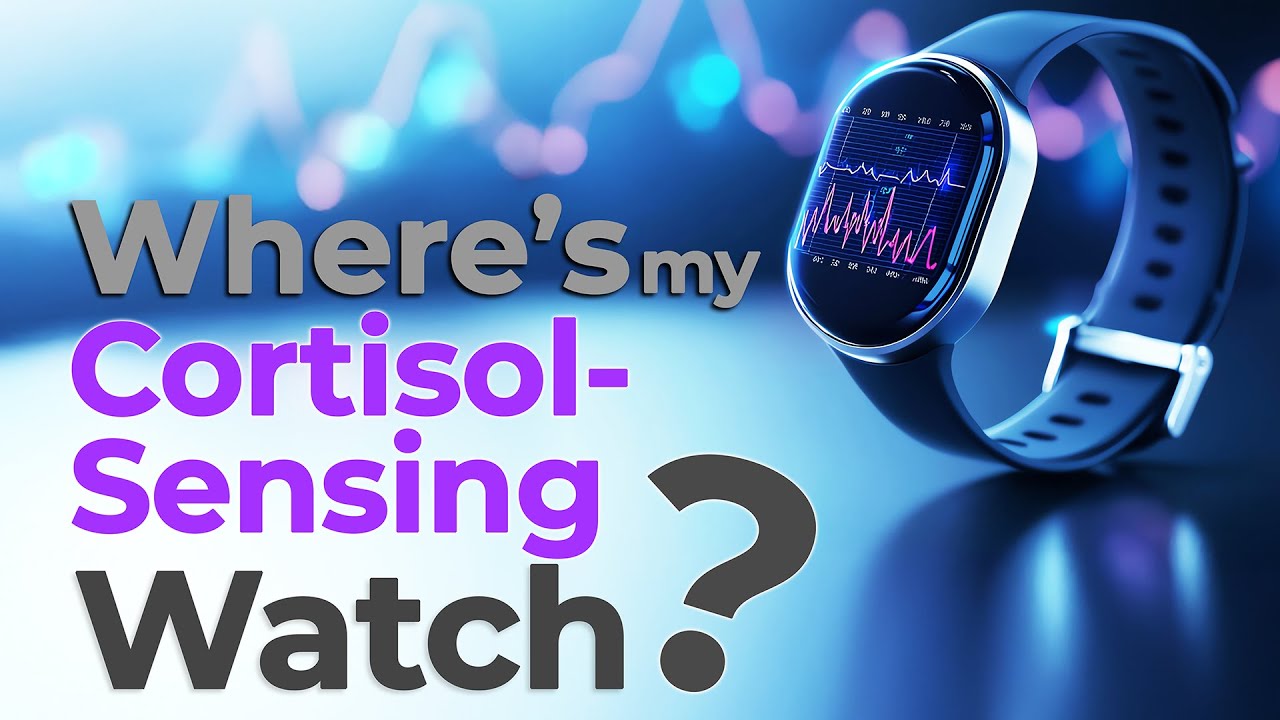
Bio Break: Why Don’t We Have a Cortisol-Sensing Wearable Yet?
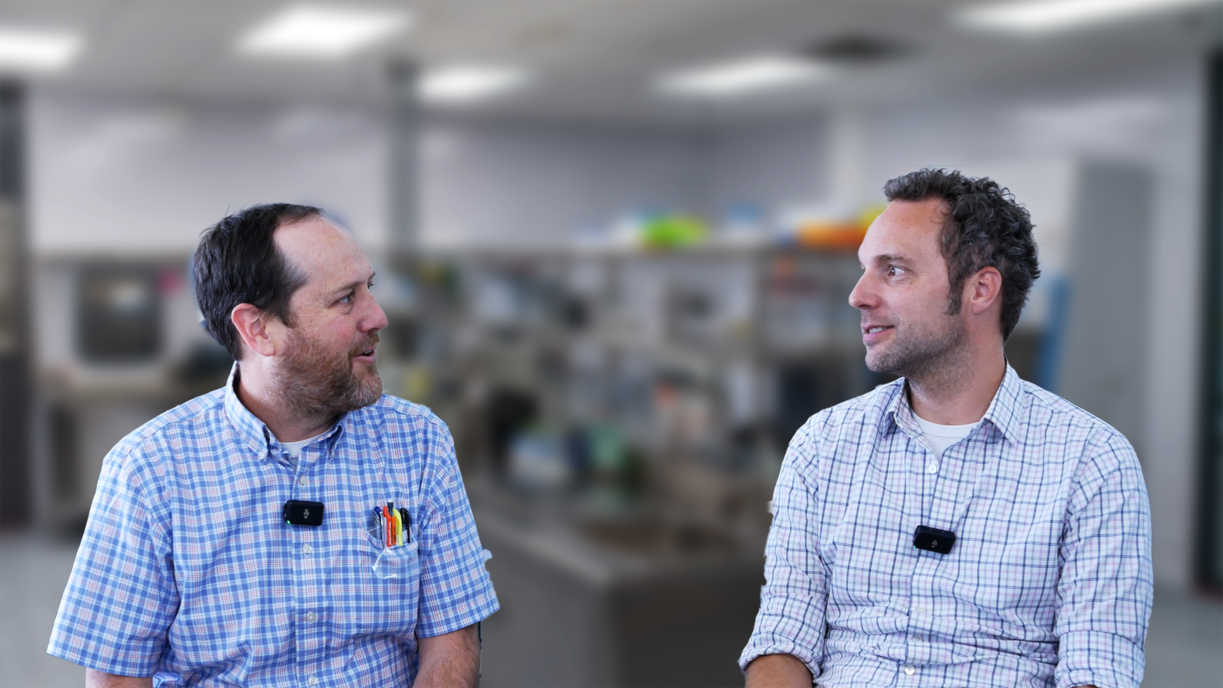
In this Bio Break episode, Nick Allan and Joris van der Heijden tackle a question many tech and health enthusiasts have wondered for years: Where is my cortisol-sensing wearable? Nick shares a nostalgic story of reading about futuristic wearable technology in Popular Mechanics as a child — devices that would one day monitor biomarkers like cortisol to track stress and overall health. Now, decades later, he and Joris break down why such a wearable device still hasn’t become a reality.
Joris explains that although cortisol biosensors and other advanced wearable diagnostics often show up in academic research, turning those scientific breakthroughs into viable consumer products is a much bigger challenge. First, there’s the technical difficulty of converting a sensitive laboratory assay for cortisol into a fully automated, real-time wearable device that could be used reliably outside of controlled lab settings. Measuring something like cortisol, potentially via interstitial fluid or sweat, involves complex fluidic and sensing systems that must function accurately and consistently on a wearable platform.
Second — and often the biggest hurdle — is scaling up manufacturing. Developing a biosensor consumable that can be produced in the millions, perform reliably for every user, and endure various shipping and environmental conditions is an enormous undertaking. Joris points out that ensuring batch-to-batch consistency for sensitive biological components is one of the toughest parts of commercializing wearable biosensor technology. Add to that the need to meet stringent regulatory standards for medical wearables, and it’s easy to see why many promising lab innovations never make it to market.
In short, the journey from a cortisol-sensing concept to a commercial wearable health device requires not only cutting-edge science but also significant investment, manufacturing expertise, and regulatory strategy.
Why Don’t We Have a Cortisol-Sensing Wearable Yet?
For Startups or Founders developing a device that incorporates novel technology or is like nothing else, the FDA breakthrough medical device program may be the best regulatory option. Learn more.
Related Resources

Nick and Nigel breaks down what actually goes into the cost of getting a sterilized device into a user’s hands, and why up to 30% of costs can sit in places most teams don’t plan for.
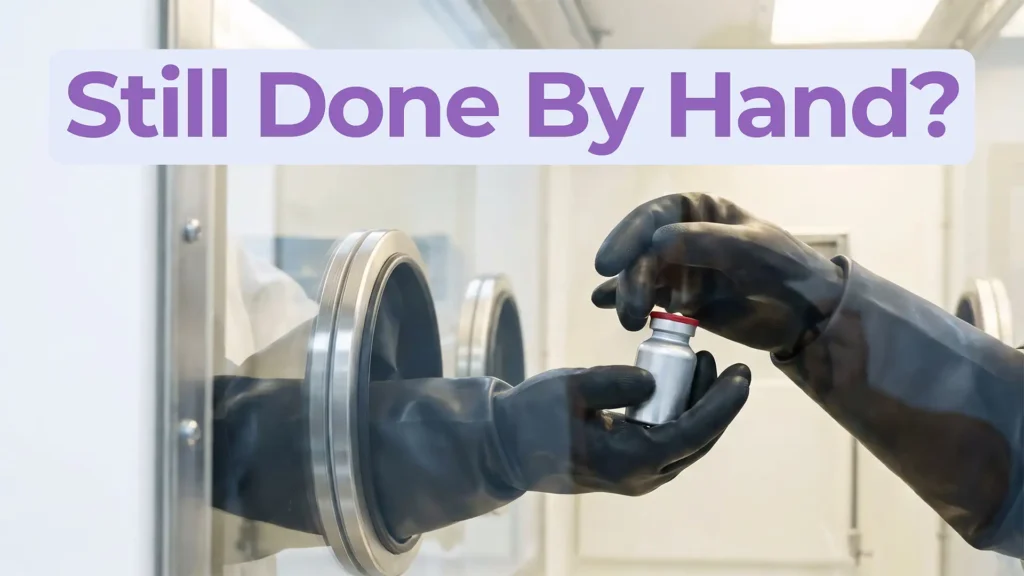
Theranostics combines diagnosis and therapy into a single targeting system, using one ligand to attach to two different radioactive payloads, one for imaging and one for treatment. It represents a significant shift in how cancer is being identified and treated. But the theranostics delivery workflow tells a different story.

Most medical devices were designed for clinical settings, not the patients and caregivers who increasingly rely on them at home. Here’s what good home-use device design actually requires.

How do you measure comfort in medical device design? Explore the tools, scales, and study design principles that turn a subjective experience into actionable design data.