

Dishwasher Engineering Insights for Device Reprocessing
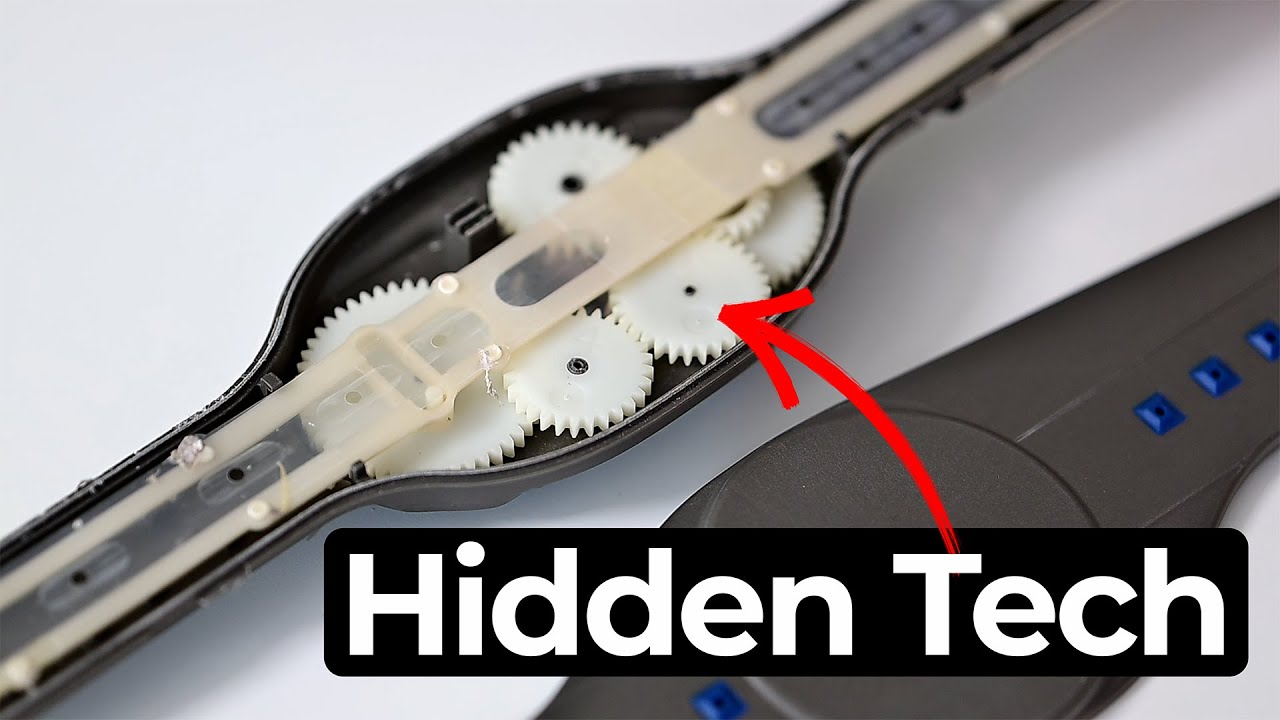
What can the inner workings of a broken dishwasher teach you about medical device reprocessing? In this episode of MedDevice by Design, Mark walks through two specific mechanical features inside a disassembled dishwasher and connects the engineering logic behind them directly to the challenge of removing biofilm from medical devices.
Why a Dishwasher Ended Up in the Lab
The dishwasher was taken apart for two reasons: the team is actively designing a device for medical device reprocessing, and the dishwasher itself had broken. Rather than send it to recycling, they opened it up to see what they could learn. What they found was a surprisingly integrated and well-engineered piece of kit with a few features worth paying attention to.
Feature One: A Gear Motor That Selects Between Spray Zones
At the base of the dishwasher sits a gear motor connected to a shaft that selects between the bottom spray bar and a nozzle feeding the upper track. Mark notes that some dishwashers use this to isolate cleaning to the top or bottom shelf. Looking at the wear patterns on the disc, he suspects this one oscillates between the two. The reason: alternating between zones increases flow velocity in each region, and higher velocity means more shear, which means better cleaning.
Feature Two: A Hidden Gear Mechanism Inside the Top Spray Bar
Inside the top spray bar is a more complex mechanism than expected for a cost-optimized product. A pinion engages a chain of gears, and a scotch yoke mechanism at the end moves a plate back and forth across the spray bar. Approximately every twenty rotations of the gear, the plate shifts position. Mark observes that this plate occludes about half the nozzles at any given time, which concentrates flow through the remaining openings, again increasing velocity and shear over specific regions.
Connecting This to Medical Device Reprocessing
Mark ties both features back to the core reprocessing challenge. Removing fresh soil requires roughly one to two pascals of shear, which is relatively easy to achieve. Biofilm, which builds up over time, requires twenty to one hundred pascals, one to two orders of magnitude more. The mechanical choices inside the dishwasher, switching between spray zones and occluding nozzles to concentrate flow, are both strategies for maximizing shear while keeping the pump small.
What this episode covers
- Why a disassembled dishwasher ended up in the lab: the team is designing a device for medical device reprocessing and used the broken appliance as a learning opportunity
- How a gear motor at the base selects between the bottom spray bar and the upper track nozzle, and why alternating between zones increases cleaning performance through higher flow velocity
- A scotch yoke mechanism inside the top spray bar that shifts a plate to occlude approximately half the nozzles, concentrating flow and increasing shear over specific regions
- Mark’s explanation that fresh soil requires one to two pascals of shear to remove, while biofilm requires twenty to one hundred pascals, one to two orders of magnitude more
- How the dishwasher’s mechanical design strategies, switching spray zones and concentrating flow through nozzle occlusion, connect directly to the engineering logic behind medical device reprocessing
Enjoying MedDevice by Design? Sign up to get new episodes sent to your inbox.
Related Resources
When one team designs, lays out, and brings up a board, knowledge sticks. Splitting that work across specialists looks efficient but creates the risk it’s meant to avoid.

AI coding agents like Claude and Codex are helping EE teams turn concepts into tested hardware in weeks, not months, without adding a new vendor or software dependency.

Choosing an EE partner is a program risk decision, not a staffing decision. Early architecture choices carry through to certification, and the wrong partner can cost far more than their hourly rate suggests.
PCB stack-up shapes signal integrity, EMC performance, and manufacturability long before layout begins. Getting layers and reference planes right avoids costly redesigns later.