

FDA Agentic AI and Medical Device Reviews
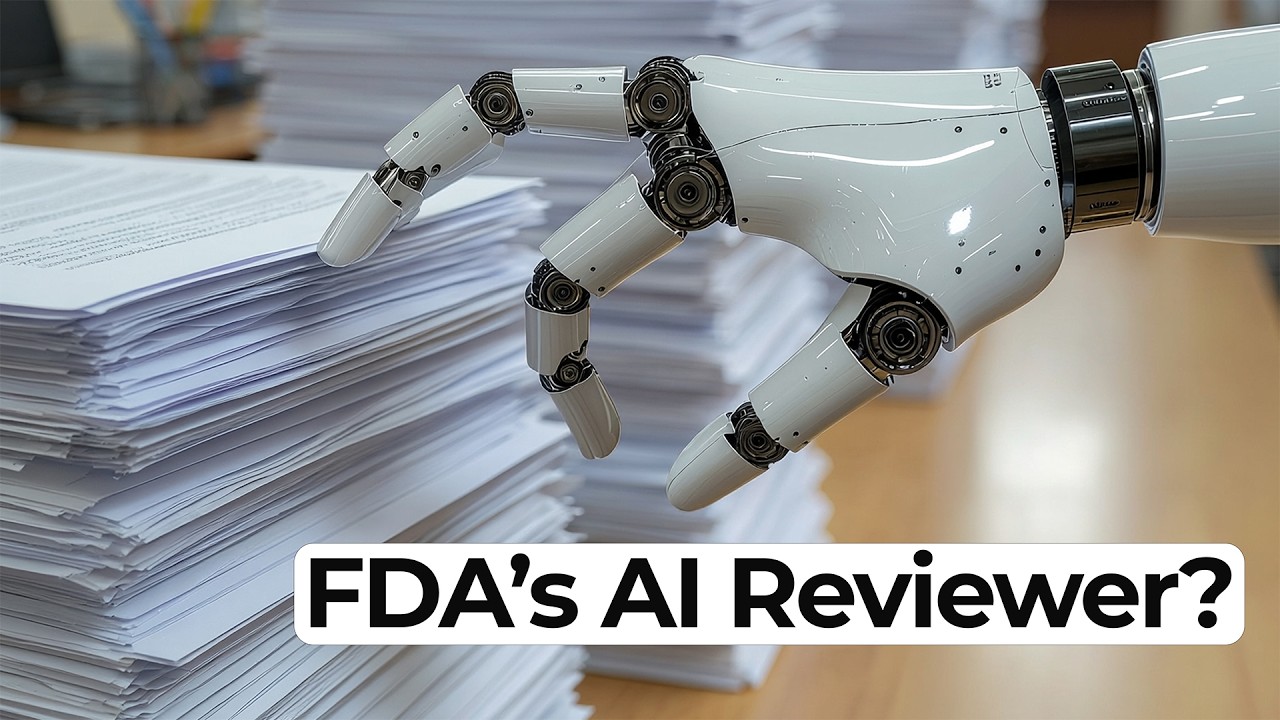
The FDA agentic AI is making headlines after the agency announced its own internal AI review tool. In this episode of MedDevice by Design, Ariana and Mark discuss what this could mean for medical device submissions and regulatory efficiency.
The FDA recently introduced an internal AI tool called ELSA. While details remain limited, the tool is expected to support regulatory reviews using a rule-based sequence. Unlike basic AI research tools, agentic AI can plan, decide, and execute a sequence of actions with limited human interaction. That capability could significantly impact how submissions are reviewed.
How FDA Agentic AI Could Review Submissions
The FDA agentic AI may be designed to move logically through a submission. For example, it could verify whether all required documents are included. It could check if a predicate device has been properly identified. It might even compare the technology and intended use of a predicate against similar cleared devices.
Importantly, it could also review whether key elements of the design history file are present. These tasks take time for human reviewers. However, they follow structured logic. Because the FDA has access to a large database of historical submissions, an internal AI system could be trained to recognize patterns and flag missing or inconsistent information.
As a result, review timelines could become more efficient.
Limitations of Agentic AI in Regulatory Review
Despite its potential, the FDA AI review tool will have limitations. Like any AI system, it depends on the quality and scope of its training data.
For novel technologies, new standards, De Novo applications, or PMA submissions, human judgment will still be essential. These types of submissions often require interpretation, precedent-setting decisions, and nuanced evaluation. Agentic AI may assist with routine checks, but it is unlikely to replace expert reviewers in complex cases.
Future Opportunities for FDA AI Tools
Looking ahead, there may be opportunities to expand the role of AI in regulatory processes. Since most submissions are now electronic, an AI reviewer could potentially evaluate a draft submission before formal filing.
For example, it could flag outdated testing standards or missing references before a sponsor waits 90 days for formal feedback. That early visibility could help companies avoid preventable delays.
Although the FDA agentic AI is not publicly accessible today, its internal use may free up reviewer resources. Ideally, this would allow FDA staff to spend more time on meaningful interactions and less time checking formatting or document completeness.
Enjoying MedDevice by Design? Sign up to get new episodes sent to your inbox.
Related Resources

The hourly rate is only a starting point when you choose a medical device engineering firm. Learn how to judge team staffing, in-house disciplines, facilities, ISO 13485 scope, and track record before you sign.

Medtech leaders expect connected products to take over their portfolios within five years. Three years of actual FDA clearance filings show a real climb, just a much more gradual one.

Learn why supply chain, process, cost, and quality gaps stall cleared devices, and why they are decided during design.

From skipping the doers to estimating toward a target budget, these ten project estimation pitfalls explain why good estimates go wrong and what to do instead.
Explore Our Services

Our multidisciplinary teams have all the in-house capabilities to transform your medical device from concept to final product.

Medical device design and development with a commercial launch focus. See how we support clinical trials and facilitate seamless tech transfers.

We help you navigate complex regulatory landscapes to achieve commercial success. Explore our integrated approach to quality and regulatory services.