

Sex and Gender Bias in Medical Devices
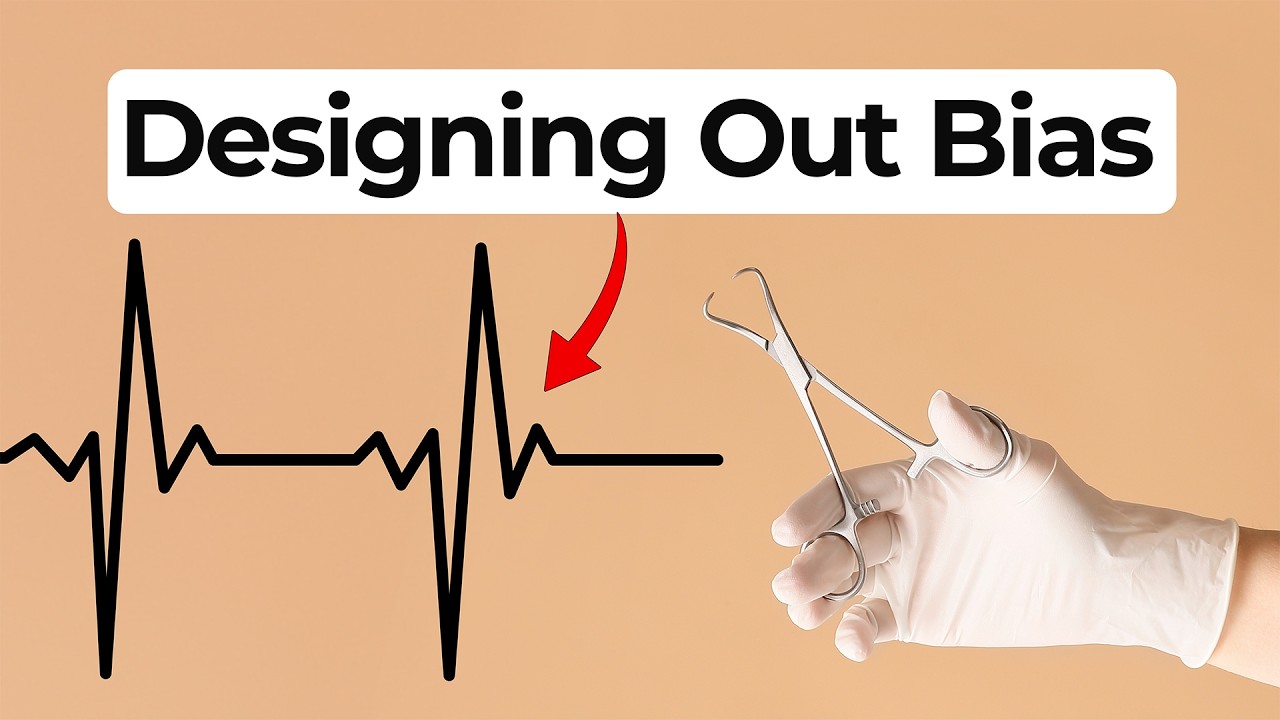
Sex and gender bias in medical devices remains a persistent challenge across the industry. In this episode of MedDevice by Design, Ariana Wilson and Mark Drlik explore how bias can enter the development process and why engineers and manufacturers must actively work to prevent it.
The discussion begins with real examples. Cardiac diagnosis is one of the most well-known cases. ECG classification systems have historically failed to recognize symptom differences in female patients. As a result, women may be misdiagnosed or underdiagnosed. Similarly, machine learning algorithms depend heavily on the datasets used to train them. When those datasets skew male, performance can suffer for female populations.
Ergonomics is another area where medical device bias becomes visible. A recent study found that 77 percent of women and 73 percent of individuals with small glove sizes reported musculoskeletal issues related to surgical tool use. These findings highlight how anthropometric assumptions can unintentionally exclude segments of the user population.
Where Sex and Gender Bias Enters the Design Process
Bias rarely originates from a single mistake. Instead, it compounds over time. It can begin with problem definition. If early research focuses on only a subgroup of users, the design inputs may already be incomplete.
Predicate devices can also introduce bias. If past performance standards were based on limited populations, matching those standards for substantial equivalence may unknowingly carry assumptions forward.
Human factors and anthropometric data play a major role as well. Many devices still rely on legacy standards or outdated reference materials. While newer studies such as the CDC’s 2021 to 2023 anthropometric data provide broader population ranges, they may lack the detailed information designers historically relied on.
Inclusive Testing and Recruitment Strategies
Testing is another critical stage. From early prototyping to verification and validation, recruitment must be intentional. Participants should reflect the full user or patient population whenever possible.
However, real-world constraints exist. Some specialized disciplines may currently have limited female representation. In these cases, teams can still conduct ergonomic studies that intentionally include users across the anthropometric range. Even when regulations do not require broader representation, manufacturers can choose to advocate for it.
Ultimately, inclusive medical device design benefits both patients and companies. It reduces risk, improves adoption, and strengthens overall product performance. As this year’s International Women’s Day theme suggests, giving attention and representation leads to meaningful gains.
Fute time on meaningful interactions and less time checking formatting or document completeness.
Enjoying MedDevice by Design? Sign up to get new episodes sent to your inbox.
Related Resources
When one team designs, lays out, and brings up a board, knowledge sticks. Splitting that work across specialists looks efficient but creates the risk it’s meant to avoid.

AI coding agents like Claude and Codex are helping EE teams turn concepts into tested hardware in weeks, not months, without adding a new vendor or software dependency.

Choosing an EE partner is a program risk decision, not a staffing decision. Early architecture choices carry through to certification, and the wrong partner can cost far more than their hourly rate suggests.

PCB stack-up shapes signal integrity, EMC performance, and manufacturability long before layout begins. Getting layers and reference planes right avoids costly redesigns later.