
Remote Monitoring: Promises and Reality
TL;DR
- Remote monitoring has expanded well beyond regulated medical devices into consumer electronics and everyday products
- Devices for chronic conditions must adapt their UX as patients move from diagnosis to long-term self-management
- Data volume alone does not improve outcomes; clinicians need curated, contextualised information
- Real-time monitoring can create alert fatigue if not designed carefully
- The consumer wearables market is generating real-world evidence that will inform the next generation of medical-grade monitoring solutions
Not just for medicine anymore
Early this year the StarFish team was excited to return to the annual Consumer Electronics Show in Las Vegas. For those who have not been, it transcends a typical trade show: hall after hall of highly produced exhibits and product demos spanning dozens of categories, with a breadth of global attendees that is hard to describe.
The “Digital Health” category was featured prominently in 2026 with a dedicated hall, an awards category, and exhibitors showing off dozens of remote monitoring devices addressing a wide range of health and wellness issues, for people and animals alike.
Remote Monitoring Has Left the Clinic
It was immediately apparent that tech-enabled remote monitoring has blended healthcare with other product categories. Miniaturized electronics, computing power, and ubiquitous mobile interfaces have made remote monitoring possible. Now it has arrived. Most of the devices were not US FDA-regulated medical devices, but they were addressing dozens of health challenges.
We saw data-collecting menstrual pads, inhalers, ingestibles, hearing aids, toothbrushes, helmets, socks, headbands, headphones, glasses, breastfeeding aids, footwear, gaming controllers, and jewelry on the first day.
Nearly every MedTech innovation team has embraced remote monitoring, and for good reason: the promise is real. Embedding sensors in familiar products can create new categories and open new markets. The data can enable new care paradigms that benefit patients, caregivers, clinicians, and scientists.
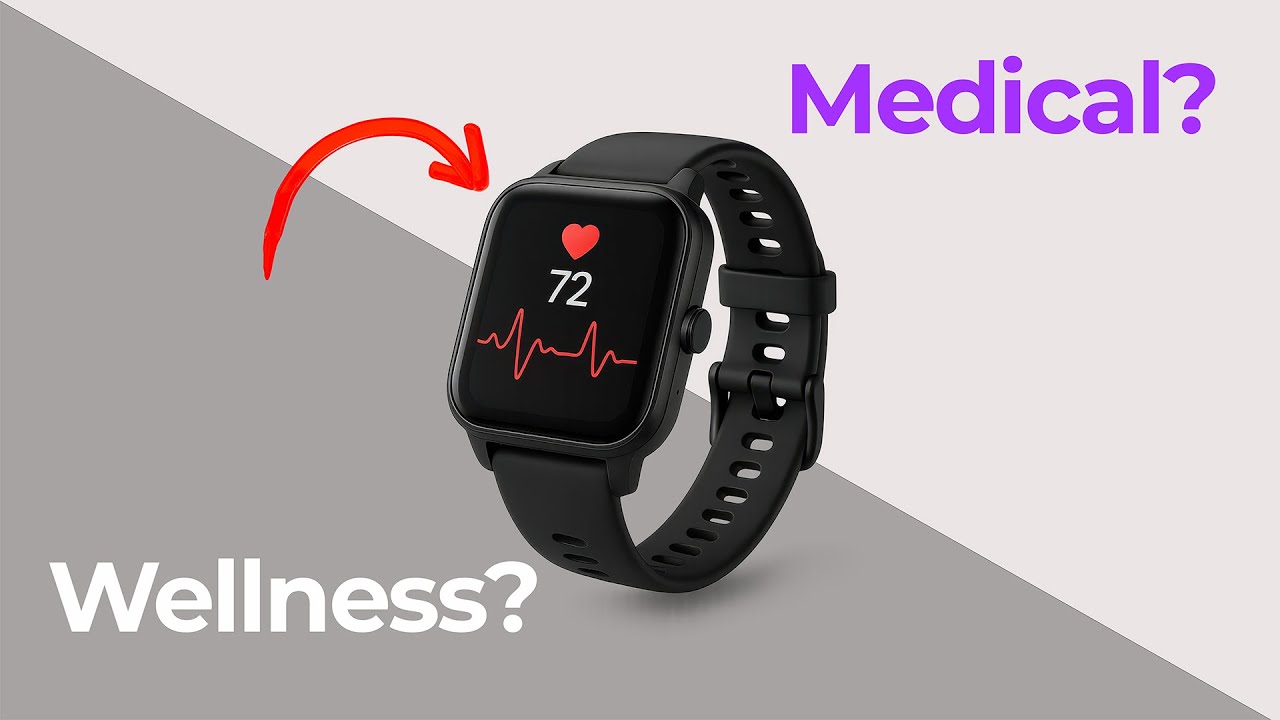
StarFish development teams are working to ensure that new medical devices fulfill their promise to their users. We spend much of our time talking to all the unique stakeholders in the healthcare system and have gained an appreciation of just how varied their expectations are, and how important and tricky it is to deliver.
Over the last decade we have seen well-implemented monitoring solutions help improve health outcomes and improve lives. The Continuous Glucose Monitor, for example, is evidence that when the right products meet the right people at the right time, great things happen in healthcare.
Devices Need to Evolve as Patients Do
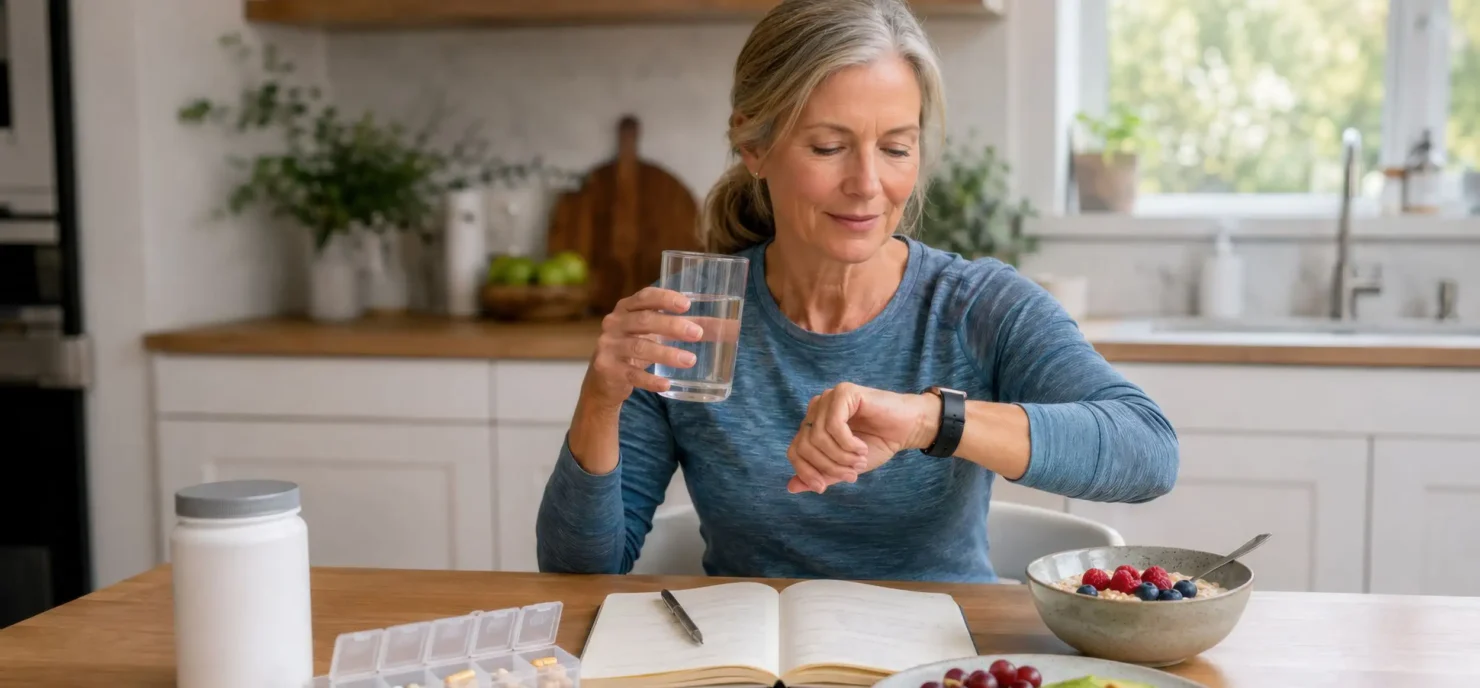
Chronic conditions like diabetes, pain, and sleep disorders are a focus of many remote monitoring and diagnosing solutions. The nature of these conditions means that users will interact with these devices and apps over months and years. People’s needs evolve over this time, so solutions are now being designed to evolve with them.
At the earliest stages of diagnosis, new patients and their caregivers need help: learning how to use unfamiliar products, getting reminders that support new habits, and engaging multiple times per day to personalize therapies. The features and information presented should be designed, prioritized, and offered proactively with this in mind. For a system we designed that relied on a patient’s smartphone to adjust an implantable device, we accommodated this by designing an app that changed dramatically over time. The first interactions were guided and conversational, avoiding technical terms completely and actually preventing users from skipping through introductory screens during orientation.
In time, the interactions need to fade into the background, allowing users to resume their lives with minimal interruptions. Sensors in wearables make it possible to identify the point when users are ready, sometimes even before patients or caregivers recognize it themselves. At this stage, interactions may become less frequent but data more technical, and product features should be disclosed as requested and available when needed. The challenge is creating a feature-rich design that is, at the same time, unobtrusive.
We aspire to get patients to the most exciting milestone: when a patient, clinician, or caregiver has such a great experience and outcome that they become an evangelist for the product. During early product definition, we have built in technology that enables experienced users to contribute guidance and support to online communities of new users and help technical support teams improve new product releases.
Want more insights like this? Join our monthly newsletter.
More Data Is Necessary But Not Sufficient
The entire healthcare industry wants to make an impact on the most lives and leverage every available data point. Manufacturers have focused on providing as much data as possible, with the intent of improving early and accurate diagnosis, treatment plans, and outcomes. The ongoing effort to build tomorrow’s tiny, powerful devices is both inspiring and daunting, and it is understandable that busy development teams rarely look years ahead.
But we are now a few years into the lifespan of some technologies and are learning more about their value to people in practice. After exciting launches, many promising solutions failed to mesh with clinical workflows.
Bob Wachter, professor and chair of the department of medicine at the University of California, San Francisco, reflecting on the early failures of AI in medicine, said: “You don’t start on the hardest problem, and one with the highest stakes, and one, if you get it wrong, you can kill somebody. You start on low-hanging fruit. You need to get buy-in and get trust from everybody, patients and doctors and nurses.” (Episode 661, Freakonomics Radio, “Can AI Save Your Life?”)
Many people are still being introduced to health data and its potential has only recently been demonstrated, so while be build relationships with continuous monitoring and data some skepticism should be expected.
When we have interviewed clinicians, they caution us that data alone paints an incomplete picture. In their practices they must consider a broad body of information: patient history, symptoms, lab tests, the literature, textbooks, and more, in order to arrive at a diagnosis and treatment plan.
Until recently, I was guilty of myopically focusing on medical-grade regulated devices that diagnose and treat our toughest healthcare challenges, and discounting most over-the-counter wearables. But I am beginning to think that leaning on wearables to tackle the hardest problems may be setting us up for disappointment in this category.
Last weekend I was sitting with a teacher friend when her smartphone began buzzing with push notifications. With an eye roll, she explained that one of her middle school students was sharing glucose monitor notifications wirelessly with school faculty, at the family’s request. Every weekend dietary exploration or teen memory lapse was now triggering constant false alarms, with the unintended effect of eroding the value of the information.
This echoes a concern shared by many busy clinicians: managing real-time, constant data streaming from dozens of connected patients can create more burden than benefit. As they are quick to remind us, they are already struggling with the current weight of data management. With this in mind, we are designing devices and applications that let clinicians curate the information they receive. A specialist may want detailed biometrics tied to life events, whereas a general practitioner may need to track adherence and trending over time. This makes it difficult to predict what single set of features will be most usable and valuable. What massive clinical trial would provide this evidence?
With this in mind, we are designing devices and applications that let clinicians curate the information they receive. A specialist may want detailed biometrics tied to life events, whereas a general practitioner may need to track adherence and trending over time. This makes it difficult to predict what single set of features will be most usable and valuable. What massive clinical trial would provide this evidence?
The Consumer Market Is Running a Real-World Trial We Should All Learn From
Perhaps the growth of consumer health devices is the best way to build our collective understanding. Rather than trying to build the most accurate, most feature-rich medical devices (with the highest expectations), companies are learning from the market and building trust. The world is watching and learning what works in the real world, and which products end up in the junk drawer. We the users will decide which products we are willing to use, based on our personal mix of logical, social, and emotional factors.
Will we adopt a new device? Will we follow instructions and create habits? Will it fit our bodies? Our routines?
It will be exciting to watch the consumer space and see which of these hundreds of wearable diagnostic products just work. It’s a great real-world experiment that will benefit all of us.
Which “bets” will be paid out with market acceptance and business success? See you next year in Las Vegas to find out!
Eric Olson is Director of Design, US at StarFish Medical. In over 25 years in design consulting, Eric has led major design and innovation programs for consumer and medical device clients, including Abbott, Starkey, CareFusion, Procter & Gamble, Midmark, and Boston Scientific.
Images: Adobe Stock
Related Resources
When one team designs, lays out, and brings up a board, knowledge sticks. Splitting that work across specialists looks efficient but creates the risk it’s meant to avoid.
AI coding agents like Claude and Codex are helping EE teams turn concepts into tested hardware in weeks, not months, without adding a new vendor or software dependency.
Choosing an EE partner is a program risk decision, not a staffing decision. Early architecture choices carry through to certification, and the wrong partner can cost far more than their hourly rate suggests.
PCB stack-up shapes signal integrity, EMC performance, and manufacturability long before layout begins. Getting layers and reference planes right avoids costly redesigns later.