
Resource Centre
Discover a wealth of knowledge and insights from the experts at StarFish Medical. Our Resource Centre offers product development tips, reviews of new and cutting-edge technologies, and in-depth articles on regulatory updates and compliance in medical device development.
-

In this episode of Bio Break, Nick Allan and Joris van der Heijden explore a critical but often overlooked topic in healthcare innovation: prevention. While most conversations about medical devices revolve around treatment, the duo shifts the focus to technologies that help people avoid hospitalization altogether. Preventive medical devices and diagnostic tools are quietly transforming healthcare by catching diseases earlier and reducing the need for invasive procedures.
-

Ariana Wilson and Mark Drlik break down a powerful visual framework for understanding what makes a medtech product, and the company behind it, truly successful. Using a triple Venn diagram, Mark explains how strategic alignment across feasibility, viability, and desirability can drive better product outcomes and business success in the medical device industry.
-

In this episode of Bio Break, Nick shares one of his favorite discoveries in the world of infectious disease research — the groundbreaking discovery of Helicobacter pylori and its role in causing peptic ulcers. This fascinating story showcases how persistence, scientific curiosity, and innovative thinking can lead to discoveries that reshape medical science.
-
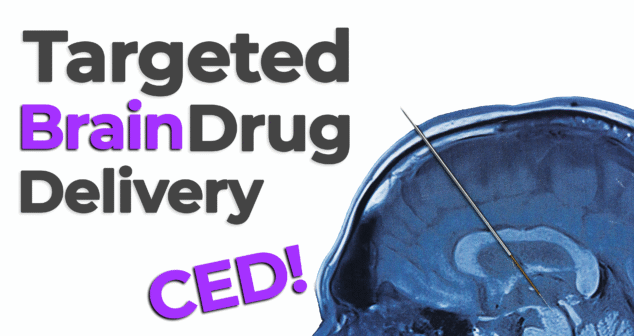
What if the next leap in brain therapy didn't require open surgery? We explore how convection-enhanced delivery (CED) is changing the way clinicians administer therapeutic agents to the brain. Join us as we look inside this advanced technique—and the high-precision tools that make it possible.
-

What are the real costs of developing a medical device? In this episode of Bio Break, Nick and Joris dive into one of the most frequently asked questions they hear from clients: How much does it cost to develop a medical device?
-

Nick and Joris tackle a question many tech and health enthusiasts have wondered for years: Where is my cortisol-sensing smartwatch? Nick shares a nostalgic story of reading about futuristic wearable technology in Popular Mechanics as a child — devices that would one day monitor biomarkers like cortisol to track stress and overall health. Now, decades later, he and Joris break down why such a wearable device still hasn't become a reality.
-

Predicting the trends of a new year is always interesting and a bit unpredictable. We asked our medical device design and development professionals to submit their most interesting medtech trends for 2025 and the reasoning behind their prediction. The results were surprisingly focused on two major trends: Home Healthcare and Wearable Devices. Within these categories, several technologies were identified including edge computing, IoT, and connected devices. In no particular ranking, here are our 2025 predictions:
-

In the world of medical device development, unexpected challenges often lead to critical product pivots. In this episode of Bio Break, Nick and Joris discuss one of the most dramatic pivots they've encountered—transforming a lab-developed test (LDT) into a lateral flow assay to expand its market reach.
-

Pre-clinical studies and early-stage trials are some of the most challenging — and expensive — milestones in medical device development. Yet, many teams encounter avoidable setbacks that could have been prevented with strategic foresight and practical lessons learned from experience.

