
Resource Centre
Discover a wealth of knowledge and insights from the experts at StarFish Medical. Our Resource Centre offers product development tips, reviews of new and cutting-edge technologies, and in-depth articles on regulatory updates and compliance in medical device development.
-

In this Before the Build episode, Eric Olson and Paul Charlebois reflect on the value of patient-centered field research—and how firsthand observation can reframe design priorities and impact outcomes in profound ways.
-

What does empathetic medical design really look like in practice? Eric and Paul discuss how emotional insight from field research can profoundly impact the design of medical devices
-
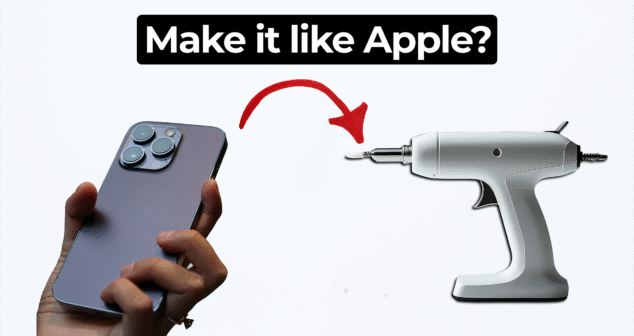
Many clients now request their devices to look and feel like Apple products. But achieving that level of simplicity and elegance is not as easy as it seems.
-

Paul Charlebois and Eric Olson explore how contextual inquiry in MedTech drives smarter product design. By observing how users interact with devices in real settings, product teams can gather early insights that shape usability, adoption, and safety—long before development begins.
-

Root Cause Analysis (RCA) is a cornerstone process for identifying and resolving nonconformities in the medical device industry. Yet, a critical aspect often overlooked is the role of human error. In her online-exclusive article "Understanding Human Errors in Medical Device Root Cause Analysis" for Medical Product Outsourcing (MPO), StarFish Medical's Vinky Kohli examines how integrating human factors into RCA can lead to safer devices and improved processes.
-

Integrating service design with user-centered design when developing medical devices can enhance device usability, efficiency, and outcomes.
-

7 Tips for conducting Voice of Customer medical device research in Low- and Middle- Income Countries (LMICs) is an integral component in user-centric design and development. It is increasingly an expectation of regulatory bodies.
-

The medical devices in the masthead above have vastly different purposes. One thing that’s common is they all have some combination of sensory aspects. Sensory design uses affordances (perception of design features intuitively suggesting a functional task) and semantics (conveying meaning and information about the product’s use and function through sensory cues). Both can be communicated through our five senses with the most common being visual, tactile and auditory.
-
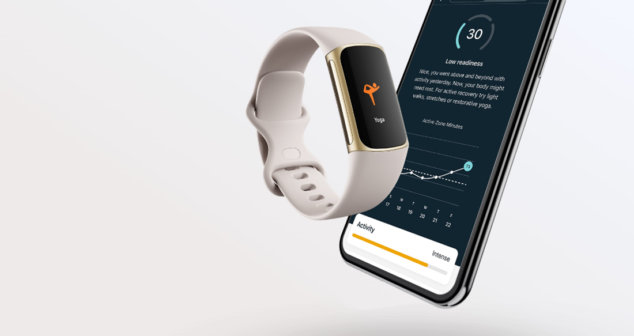
The benefits of healthcare gamification and tips to improve patient engagement, access and quality of care.

