

Contextual Inquiry in MedTech: Observe Before You Build
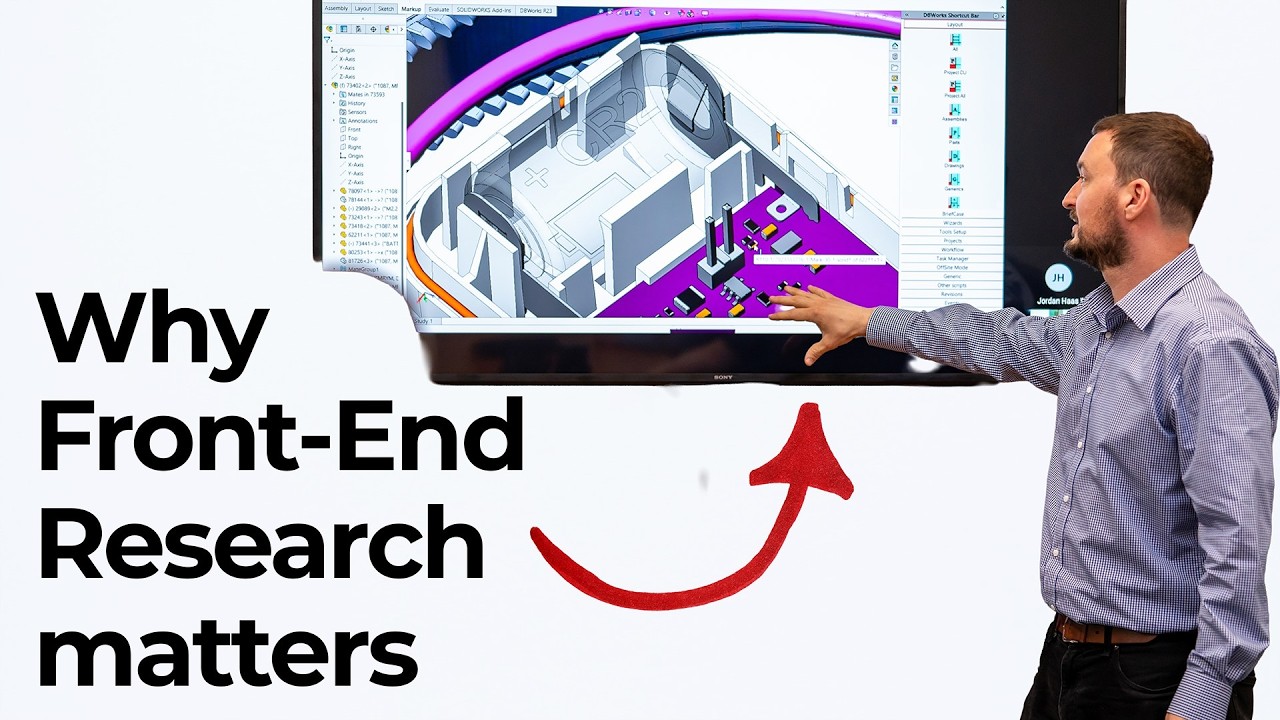
What makes a MedTech product truly successful? In this episode of Before the Build, Paul Charlebois and Eric Olson explore how contextual inquiry in MedTech drives smarter product design. By observing how users interact with devices in real settings, product teams can gather early insights that shape usability, adoption, and safety—long before development begins.
What Is Contextual Inquiry?
Contextual inquiry is a form of user research where developers observe users in their natural environments. For MedTech, this means watching clinicians, patients, or operators interact with technology in clinical or home settings. This research helps teams identify pain points, workflow gaps, and usability issues that traditional interviews may miss.
How Contextual Inquiry Supports Product Success
Applying contextual inquiry in MedTech allows teams to validate product concepts through real-world insights. Instead of assuming what users need, you observe how they think and behave. This method supports:
- Reduced development risk
- Better usability from the start
- Evidence-based design decisions
- Faster alignment with regulatory expectations
Before the Build: A Strategic Start
At StarFish Medical, contextual inquiry helps our teams and clients align early on product requirements, regulatory needs, and market fit. Paul and Eric discuss how this approach improves regulatory approval odds, speeds adoption, and supports commercial success.
From observing tool use in operating rooms to understanding home care routines, these insights guide MedTech design strategies with precision and purpose.
Enjoying Before the Build? Sign up to get new episodes sent to your inbox.
Related Resources


We examine when computational modelling and simulation, or CM&S, genuinely supports medical device simulation strategy and when it becomes a costly detour.

Many teams still underuse CM&S, often bringing it late in device validation, when key decisions have already been made. That approach leaves much of the value of CM&S untapped.

This article traces the Pennes bioheat equation from its 1948 origins to modern multiscale approaches, explaining how engineers select the right level of modelling complexity across device categories.