
Resource Centre
Discover a wealth of knowledge and insights from the experts at StarFish Medical. Our Resource Centre offers product development tips, reviews of new and cutting-edge technologies, and in-depth articles on regulatory updates and compliance in medical device development.
-

AI is quietly reshaping how hardware teams work. At StarFish, it’s become a versatile collaborator across the product lifecycle from early sketches to prototype validation.
-

Many of the medical devices created at Starfish take advantage of sensors to convert the real world into digital data that can be understood by computers.
-

Generative AI is gaining significant attention across industries, and MedTech is no exception. While some tools may still feel like entertaining curiosities, others are starting to make a real impact.
-
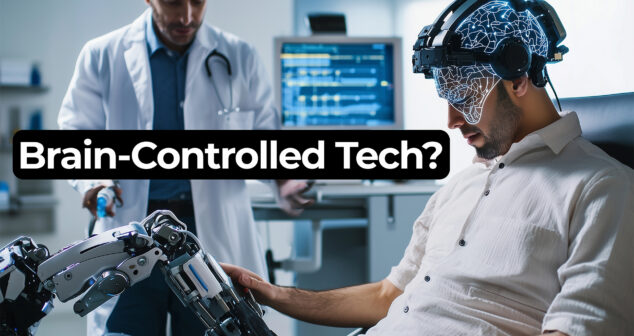
We explore the world of brain-computer interfaces (BCIs) and the challenges of capturing thought into action. Mark Drlik and Ariana Wilson walk through how these systems translate brain activity into control signals for devices—without needing surgical implants.
-
Ariana Wilson and Mark Drlik dive into how the FDA is adopting artificial intelligence to modernize its regulatory processes. With a new chief AI officer in place and rumors of collaboration with OpenAI, the agency is taking major steps to automate review workflows and improve efficiency.
-
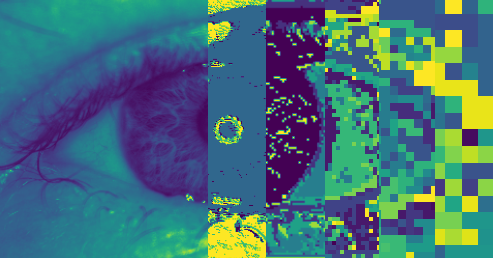
Computer Vision for Medical Devices is constantly evolving and incorporating new techniques and technologies as they emerge.
-

Nick and Joris tackle a question many tech and health enthusiasts have wondered for years: Where is my cortisol-sensing smartwatch? Nick shares a nostalgic story of reading about futuristic wearable technology in Popular Mechanics as a child — devices that would one day monitor biomarkers like cortisol to track stress and overall health. Now, decades later, he and Joris break down why such a wearable device still hasn't become a reality.
-

Predetermined Change Control Plans (PCCPs) Draft Guidance with Implications for Medical Device Manufacturers and regulatory framework
-

Artificial intelligence (AI) has rapidly become a transformative force across industries, but its application in medical devices presents unique challenges. In his article "A Practical Future of Developing AI for Medical Devices" for MD+DI, Thor Tronrud, a Research and Data Analysis-Focused Software Engineer at StarFish Medical, sheds light on bridging knowledge gaps, navigating regulatory constraints, and developing robust AI solutions for medical devices.

