

How the FDA Uses AI in Device Review

The FDA is actively integrating AI into its internal review processes, and the implications for regulatory teams and medical device engineers could be significant. In this episode of MedDevice by Design, Mark discusses where FDA AI adoption stands today, which device submissions are most likely to be affected, and what this shift could mean for the people who prepare and review them.
The FDA Is Moving Quickly on AI
The FDA has appointed a Chief AI Officer and is reportedly collaborating with OpenAI on a tool called Cedar FDA, focused on the drug side. Internal AI tools are expected to be distributed across FDA departments by end of June. Mark’s expectation is that the FDA has also developed its own large language model built on submission data, which would enable more sophisticated predicate searches and product code determinations than are possible today.
Which Devices Are Most Likely Affected
Mark points to high-volume Class II devices as the most likely early candidates for AI-assisted review. Blood pressure monitors, surgical gloves, and similar commonly submitted devices represent a category where AI could evaluate submissions faster without introducing new interpretive challenges. The routine nature of these reviews makes them well-suited to automation.
Where AI Could Change the Review Process
Beyond predicate searches, Mark identifies several areas where AI could support FDA reviewers: testing protocol evaluation, traceability mapping from requirements to validation, and labeling checks against indications for use. These are tasks that humans can perform today but that AI could handle more efficiently given access to the full body of historical submissions.
What This Means for Regulatory and Engineering Teams
Novel devices and emerging technologies are expected to remain under human review, where interpreting or developing new standards still requires judgment. Mark’s view is that AI won’t eliminate jobs in the regulatory space but will shift where people spend their time, allowing engineers and regulatory professionals to focus on more complex and innovative work rather than repeating standard submission processes.
What this episode covers
- The FDA has appointed a Chief AI Officer and is reportedly collaborating with OpenAI on a tool called Cedar FDA on the drug side
- Internal AI tools are expected to be distributed across FDA departments by end of June
- Mark’s expectation that the FDA has built a large language model trained on submission data to support enhanced predicate searches and product code determination
- Class II devices like blood pressure monitors and surgical gloves are likely early candidates for AI-assisted review due to high submission volumes
- Areas where AI could support review include predicate searches, testing protocols, traceability mapping, and labeling checks against indications for use
- Novel devices and emerging technologies are expected to remain under human review, where new standards development still requires human judgment
- Mark’s view that AI will allow regulatory and engineering teams to shift focus toward more complex and innovative work rather than routine submissions
Enjoying MedDevice by Design? Sign up to get new episodes sent to your inbox.
Related Resources

Nick and Nigel breaks down what actually goes into the cost of getting a sterilized device into a user’s hands, and why up to 30% of costs can sit in places most teams don’t plan for.
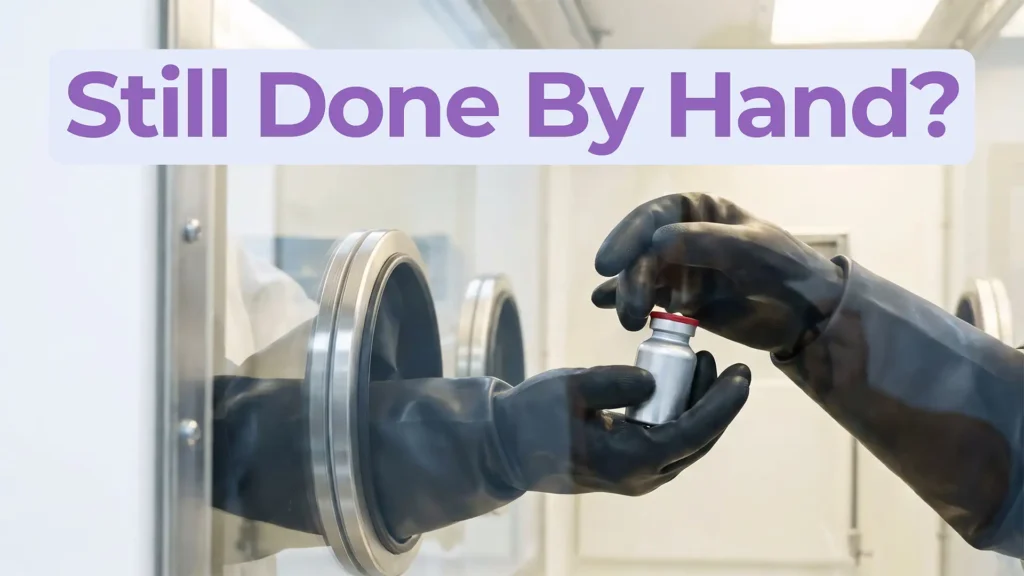
Theranostics combines diagnosis and therapy into a single targeting system, using one ligand to attach to two different radioactive payloads, one for imaging and one for treatment. It represents a significant shift in how cancer is being identified and treated. But the theranostics delivery workflow tells a different story.

Most medical devices were designed for clinical settings, not the patients and caregivers who increasingly rely on them at home. Here’s what good home-use device design actually requires.

How do you measure comfort in medical device design? Explore the tools, scales, and study design principles that turn a subjective experience into actionable design data.