
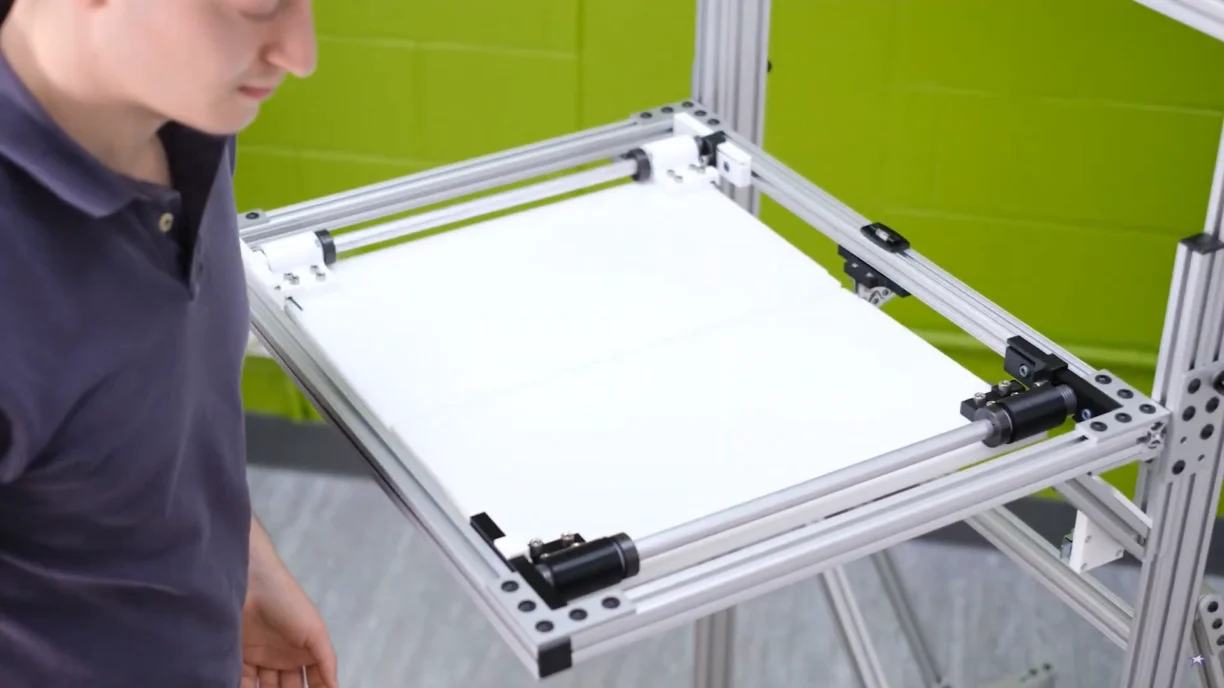
Medical Device Drop Testing in Action
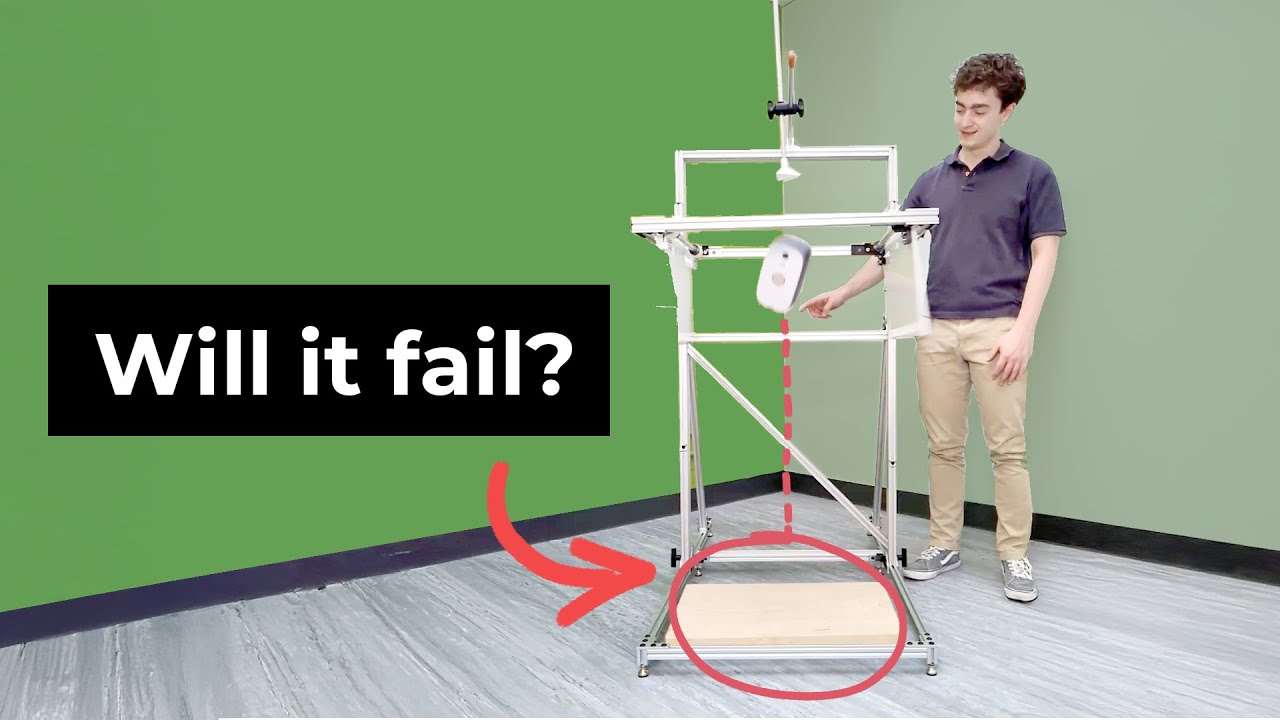
Medical device drop testing helps ensure that products and packaging survive real-world handling. We demonstrate in-house drop testing on an actual device and its packaging using a custom-built drop tester.
From IEC Standards to Real-World Drops
While passing a standard test like IEC 60601-1 is a good first step, drop testing must also reflect real-world use. Devices get dropped repeatedly, often in uncontrolled settings. Packaging must protect the product all the way from warehouse to end user.
This episode shows how in-house testing setups let engineers explore failure modes before third-party verification. The drop tester featured includes adjustable doors, corner and edge supports, and surfaces for both hardwood and concrete impacts.
Testing Devices and Packaging
During testing, the team drops a medical device on various faces, edges, and corners. The results? Deformation, loose components, and internal rattling—clear signs of structural stress. Eventually, the device fails when dropped on its edge, offering valuable insights for redesign.
Next, they drop test a device package. Each face, edge, and corner is tested—including a downsized box for corner drop demos. A worst-case drop from double height shows whether the packaging holds up under extreme conditions.
Why In-House Drop Testing Matters
Medical device drop testing not only prepares teams for formal third-party tests but also helps identify weaknesses early. It saves time, protects users, and strengthens the final product. And yes—sometimes, it’s just fun to break things on purpose.
Related Resources

Nick and Nigel breaks down what actually goes into the cost of getting a sterilized device into a user’s hands, and why up to 30% of costs can sit in places most teams don’t plan for.
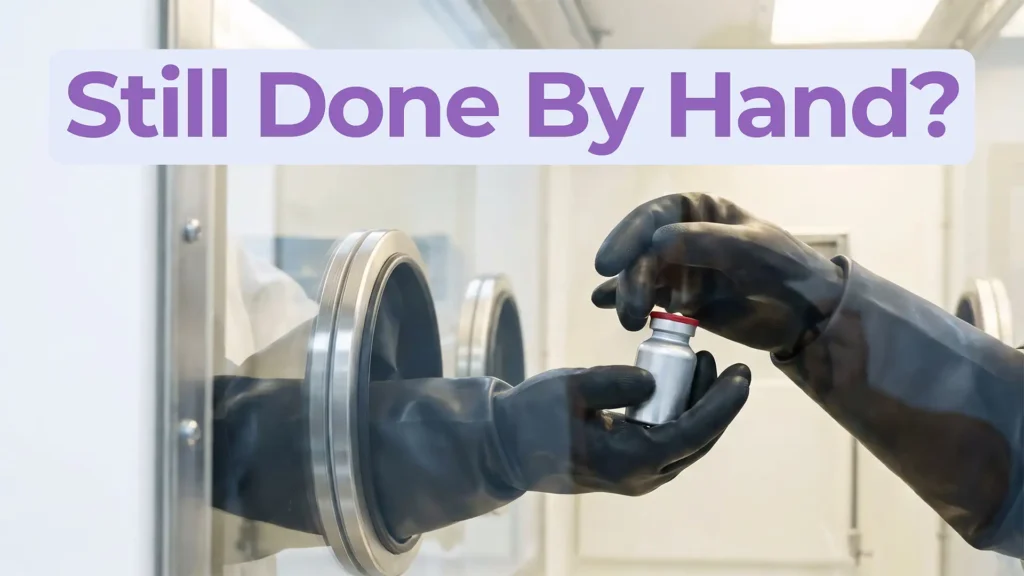
Theranostics combines diagnosis and therapy into a single targeting system, using one ligand to attach to two different radioactive payloads, one for imaging and one for treatment. It represents a significant shift in how cancer is being identified and treated. But the theranostics delivery workflow tells a different story.
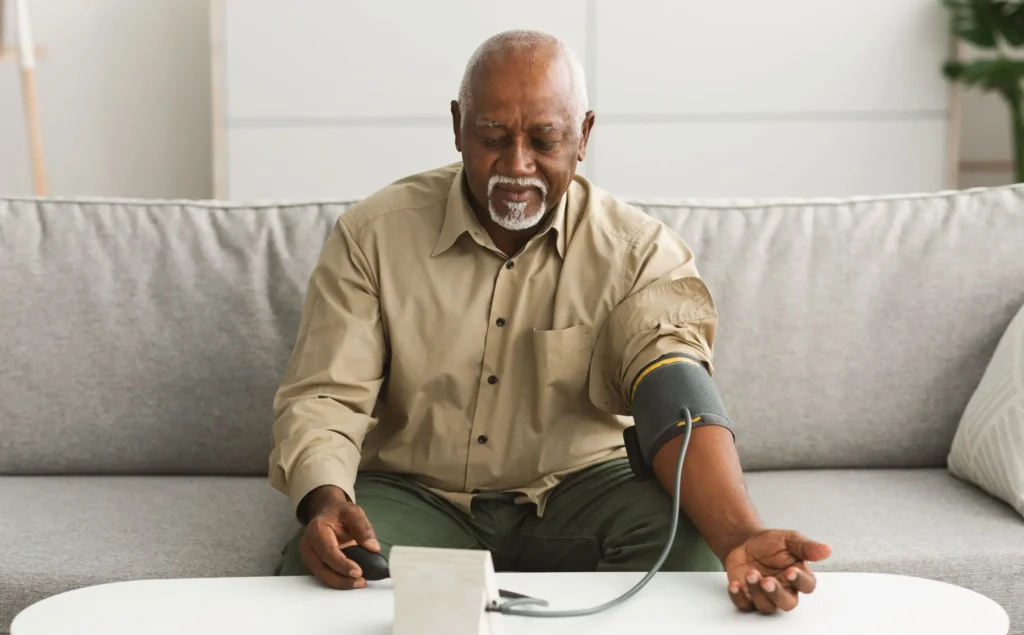
Most medical devices were designed for clinical settings, not the patients and caregivers who increasingly rely on them at home. Here’s what good home-use device design actually requires.

How do you measure comfort in medical device design? Explore the tools, scales, and study design principles that turn a subjective experience into actionable design data.