

ADLM Diagnostics Innovation and COVID Testing
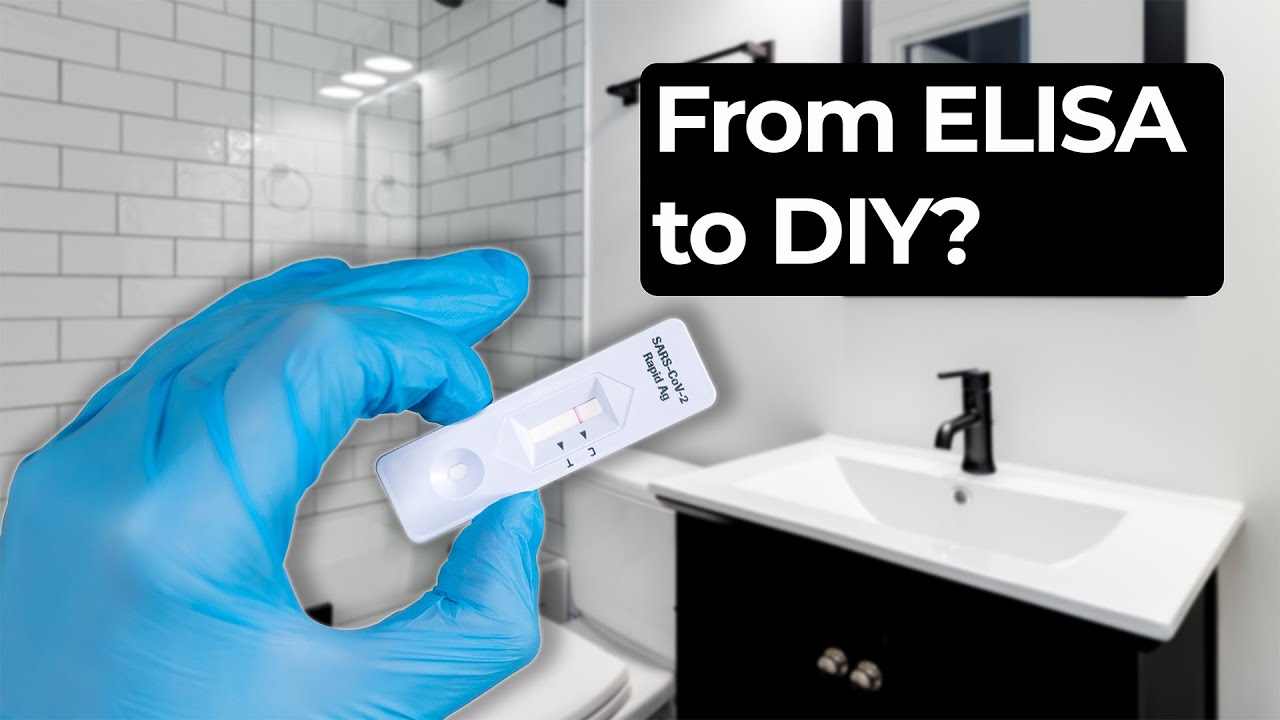
In this Bio Break episode, Nick Allan and Nigel Syrotuck reflect on recent ADLM diagnostics innovation and how it has shaped the future of clinical testing. The Association for Diagnostics & Laboratory Medicine (ADLM) recently wrapped its annual showcase in Chicago, and as always, it left a strong impression on the medtech community.
While discussing highlights from the show, Nick and Nigel zero in on a perfect case study of ADLM diagnostics innovation: the evolution of COVID-19 testing. From the early days of enzyme-linked immunosorbent assays (ELISAs) to the familiar lateral flow tests we now perform at home, diagnostics have become faster, simpler, and more accessible. This transformation—from complex lab environments to point-of-care and even bathroom-counter diagnostics—was on full display at ADLM.
From the Lab to the Bathroom Counter
As Nick points out, one of the most remarkable shifts in diagnostics is how complicated procedures have been distilled into everyday routines. What once required trained technicians in controlled environments can now be done at home, often with little more than a test strip and a timer. The lateral flow transformation is a clear example of how ADLM’s influence and technology leadership help shape the direction of consumer-friendly diagnostics.
Related Resources

Nick and Nigel breaks down what actually goes into the cost of getting a sterilized device into a user’s hands, and why up to 30% of costs can sit in places most teams don’t plan for.
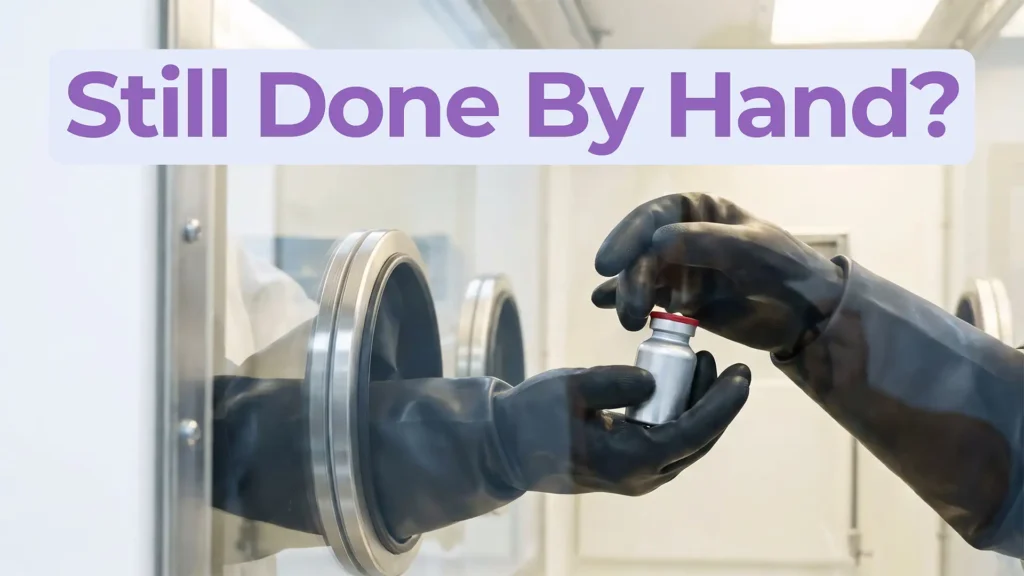
Theranostics combines diagnosis and therapy into a single targeting system, using one ligand to attach to two different radioactive payloads, one for imaging and one for treatment. It represents a significant shift in how cancer is being identified and treated. But the theranostics delivery workflow tells a different story.
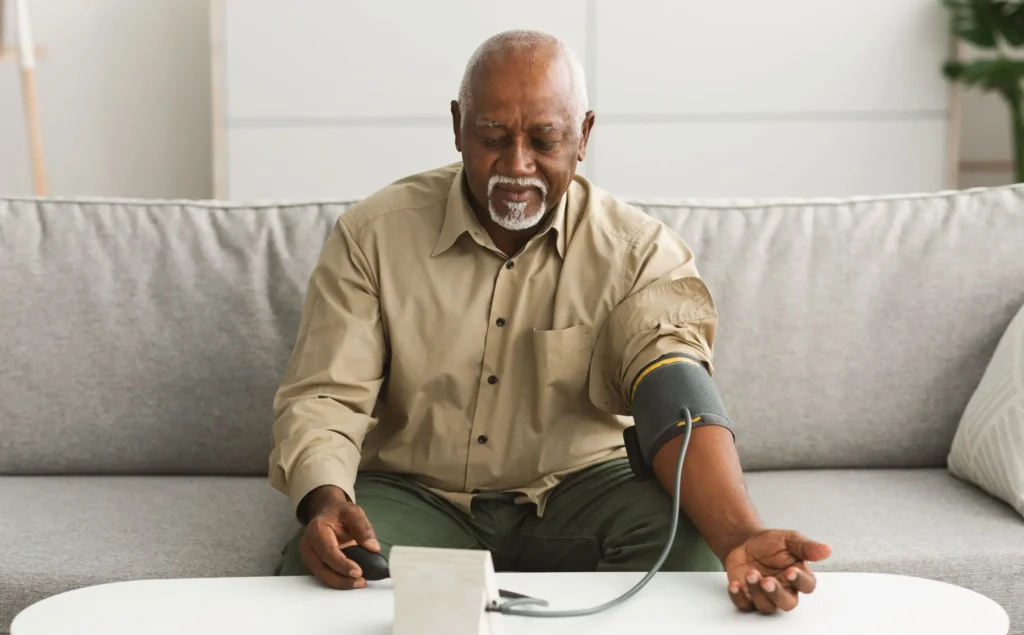
Most medical devices were designed for clinical settings, not the patients and caregivers who increasingly rely on them at home. Here’s what good home-use device design actually requires.
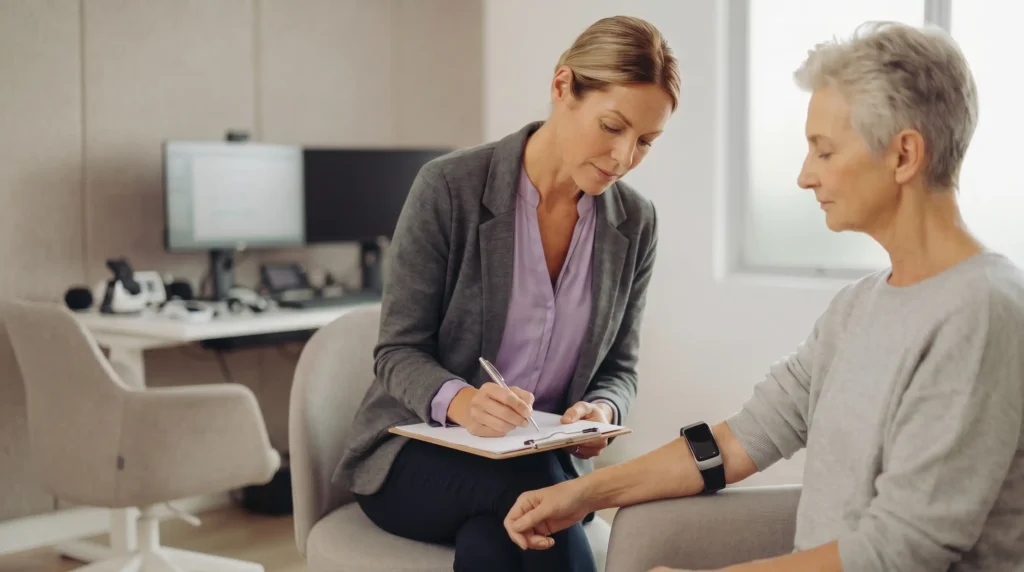
How do you measure comfort in medical device design? Explore the tools, scales, and study design principles that turn a subjective experience into actionable design data.