

Medical vs Wellness Devices: What Really Makes the Difference?
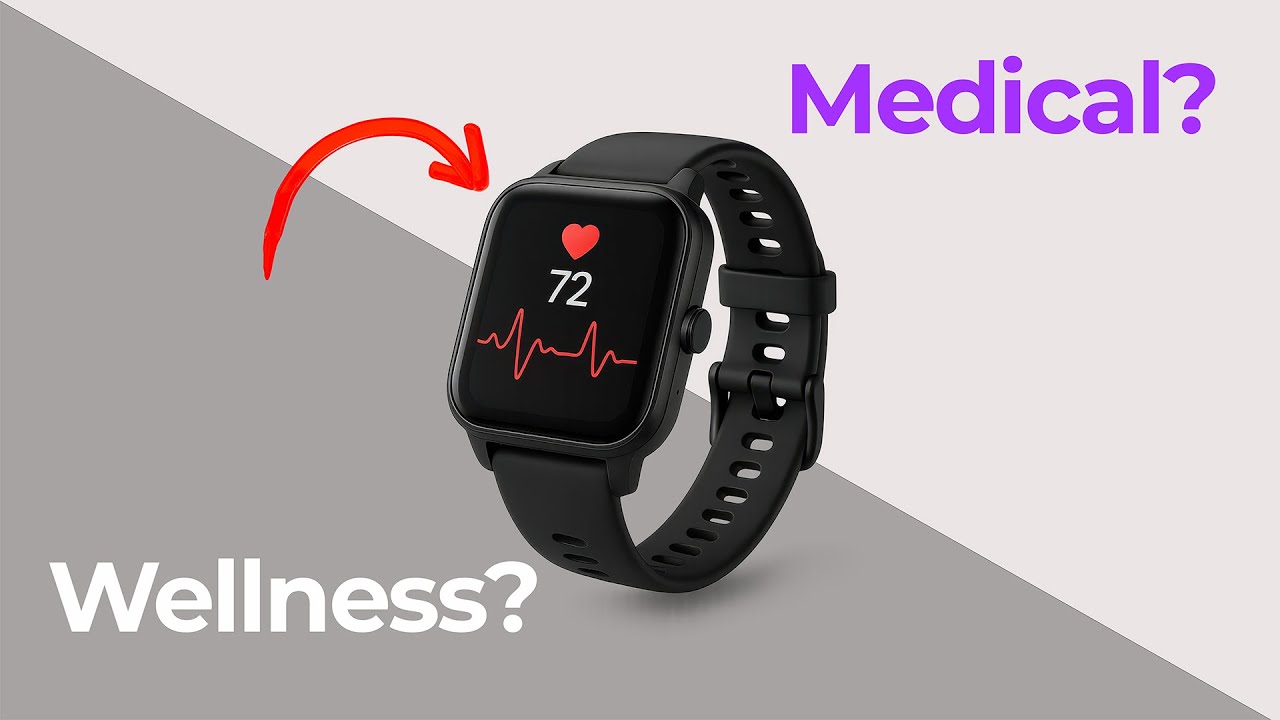
Mark has a few different watches and wants to know why one is a medical device and another isn’t. In this episode of MedDevice by Design, Ariana explains the line between wellness and medical devices, and why two products with identical hardware can fall into completely different regulatory categories.
What Draws the Line Between Medical and Wellness Devices
The distinction comes down to intended use and claims. Medical devices diagnose, treat, or otherwise mitigate disease. Wellness devices do not. That is the line in the sand.
Hardware alone doesn’t determine classification. Two devices can be technically identical. What changes everything is whether the manufacturer claims the device can diagnose or treat a condition. The moment that claim is made, the device crosses into medical device territory and regulatory clearance becomes required.
Fitness Trackers vs the Apple Watch
Ariana uses Fitbits and fitness trackers as examples of wellness devices. They may report similar information to a medical device, but they haven’t demonstrated that the information is accurate and reliable. A medical device, by contrast, has to go through the regulatory process to prove that a clinician could trust the output being generated.
The Apple Watch is the medical device example. Apple’s specific claim is that it measures atrial fibrillation. A claim like that would trigger an FDA warning if made by a wellness device without clearance. Apple has received clearance for it as a medical device.
Why Companies Pursue Medical Device Clearance
Ariana identifies two main reasons. The first is reimbursement: insurance providers and Medicare programs look for cleared devices. The second is market expectations: there is a growing shift toward consumer electronics being expected to provide medical insights rather than just data, and companies are responding to that trend.
Where to Learn More
The FDA provides a comprehensive guidance document that defines the scope of wellness devices, what qualifies and what doesn’t, and what marketing claims are permitted in each category. It is available here.
What this episode covers
- The core distinction between medical and wellness devices: intended use and claims, not hardware, determine classification
- Why two devices with identical hardware can fall into different regulatory categories depending on what the manufacturer claims the device can do
- How wellness devices like Fitbit and fitness trackers report information without having to demonstrate accuracy and reliability, while medical devices must prove their outputs are trustworthy enough for clinical use
- The Apple Watch as a medical device example: its atrial fibrillation detection claim is what places it in the medical device category, and Apple has received regulatory clearance for it
- The two main reasons companies pursue medical device clearance: reimbursement eligibility and growing consumer expectations for medically reliable insights
- The FDA guidance document that defines wellness device scope and permitted marketing claims for both categories
Enjoying MedDevice by Design? Sign up to get new episodes sent to your inbox.
Related Resources

The hourly rate is only a starting point when you choose a medical device engineering firm. Learn how to judge team staffing, in-house disciplines, facilities, ISO 13485 scope, and track record before you sign.

Medtech leaders expect connected products to take over their portfolios within five years. Three years of actual FDA clearance filings show a real climb, just a much more gradual one.

Learn why supply chain, process, cost, and quality gaps stall cleared devices, and why they are decided during design.

From skipping the doers to estimating toward a target budget, these ten project estimation pitfalls explain why good estimates go wrong and what to do instead.
Explore Our Services

Our multidisciplinary teams have all the in-house capabilities to transform your medical device from concept to final product.

Medical device design and development with a commercial launch focus. See how we support clinical trials and facilitate seamless tech transfers.

We help you navigate complex regulatory landscapes to achieve commercial success. Explore our integrated approach to quality and regulatory services.