

Translating Emotion into Empathetic Medical Design
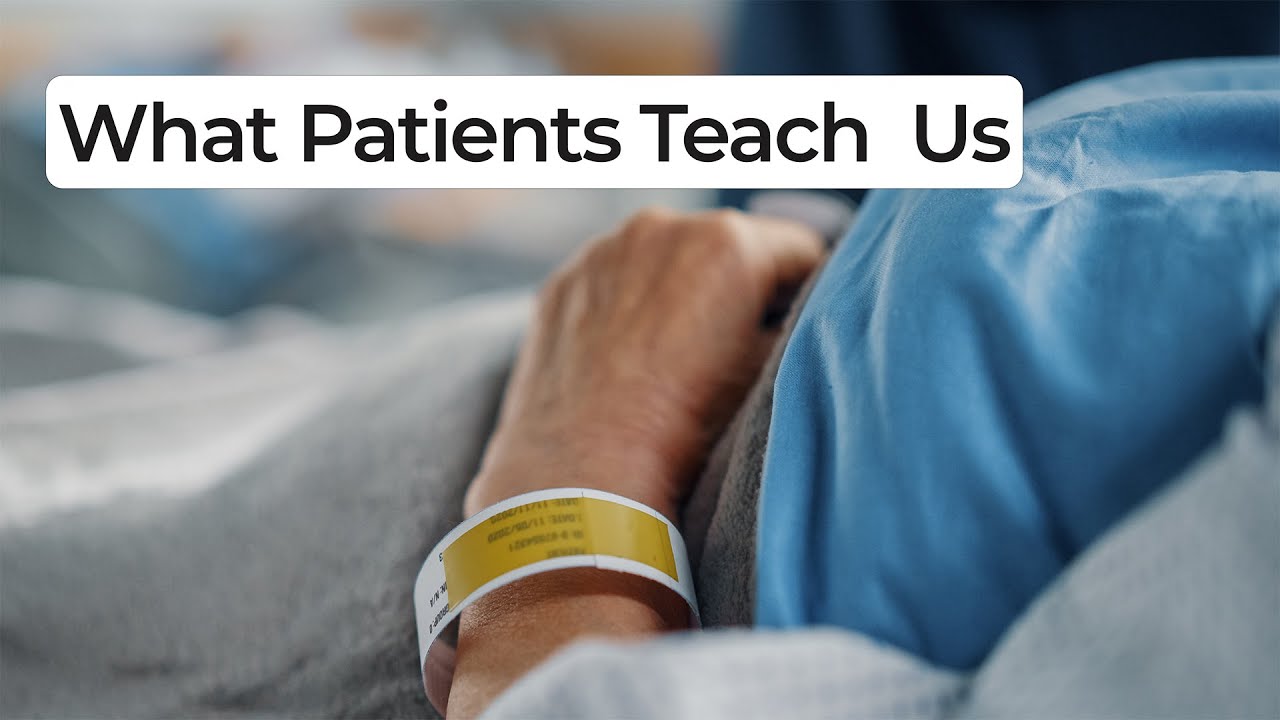
What does empathetic medical design really look like in practice? In this episode of Before the Build, Eric and Paul discuss how emotional insight from field research can profoundly impact the design of medical devices, especially when patients are facing some of the hardest moments of their lives.
Paul shares a story from a nuclear medicine facility where radioactive treatments create high-stakes challenges—not just for patients, but for the teams supporting them. From seemingly humorous anecdotes to fleeting moments of deep emotional connection, this episode unpacks how thoughtful field research leads to human-centered, practical improvements in device design.
Observing Patients Means Understanding People
The conversation explores how true empathy requires stepping into the patient’s world—literally. Field research often leads into hospital closets, nuclear medicine wings, and emotionally charged environments. These are the places where designers can truly understand the needs, fears, and limitations patients face every day.
In one striking moment, Paul describes locking eyes with a patient mid-infusion—capturing a mix of hope, fear, and vulnerability. It’s a reminder that good medical design isn’t just about performance or compliance; it’s about preserving dignity and simplifying care.
Why Empathy Drives Better Outcomes
Ultimately, empathetic medical design leads to better adoption, stronger clinician satisfaction, and more effective treatment workflows. When design accounts for emotional and practical realities—not just functional specs—it supports both patients and care providers in meaningful ways.
Enjoying Before the Build? Sign up to get new episodes sent to your inbox.
Related Resources
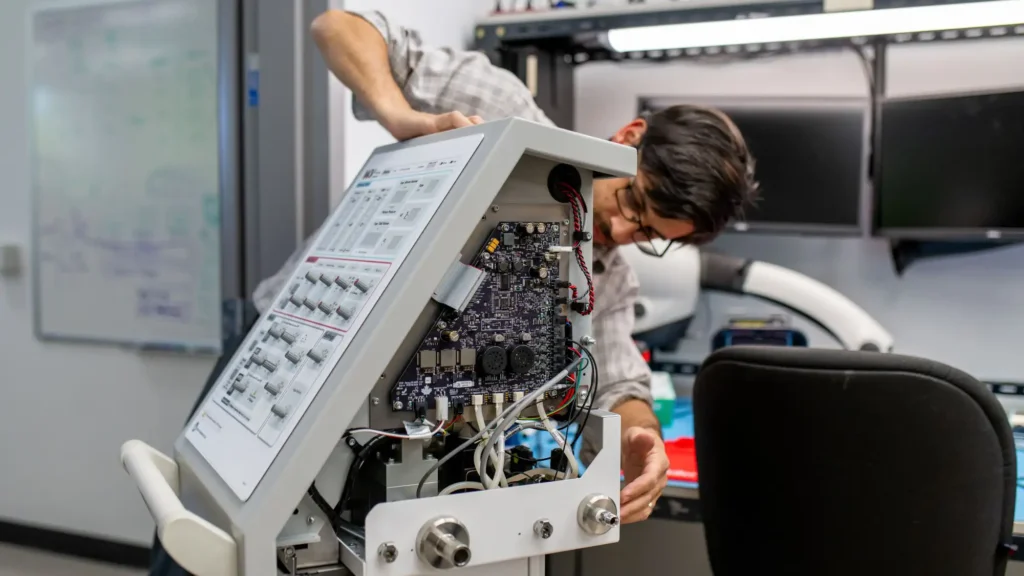
When one team designs, lays out, and brings up a board, knowledge sticks. Splitting that work across specialists looks efficient but creates the risk it’s meant to avoid.
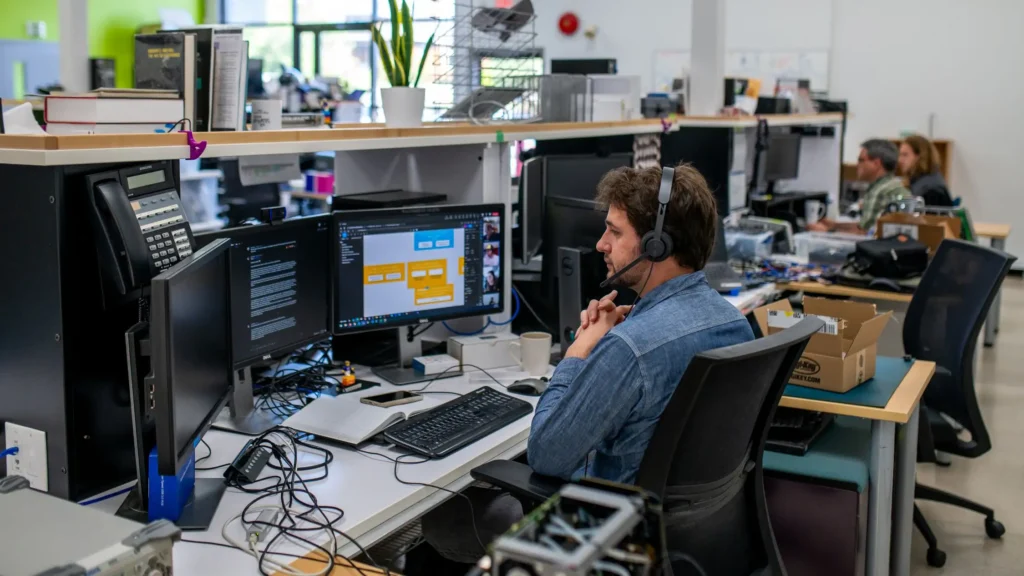
AI coding agents like Claude and Codex are helping EE teams turn concepts into tested hardware in weeks, not months, without adding a new vendor or software dependency.
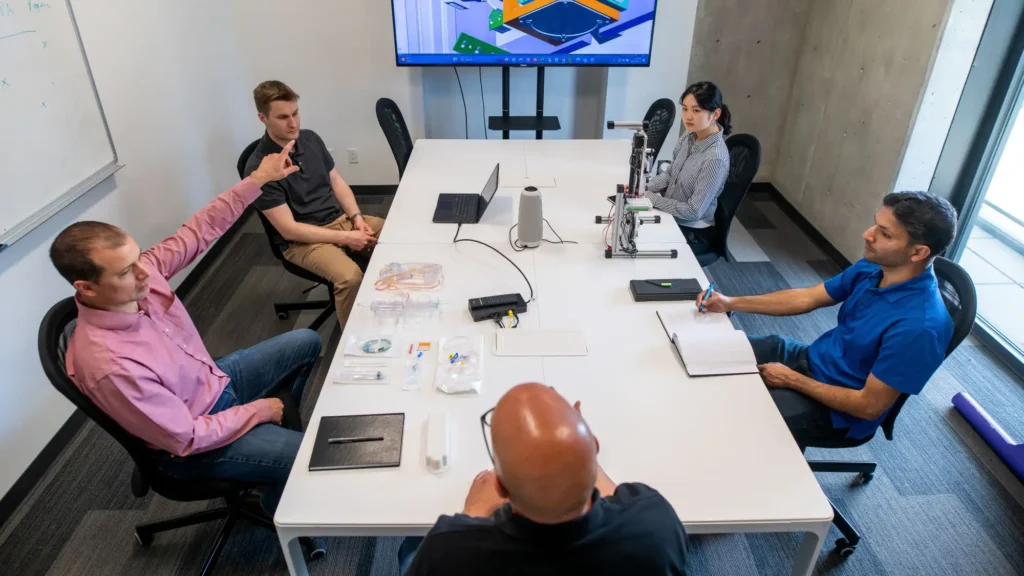
Choosing an EE partner is a program risk decision, not a staffing decision. Early architecture choices carry through to certification, and the wrong partner can cost far more than their hourly rate suggests.
PCB stack-up shapes signal integrity, EMC performance, and manufacturability long before layout begins. Getting layers and reference planes right avoids costly redesigns later.