

Patient-Centered Field Research in Medtech
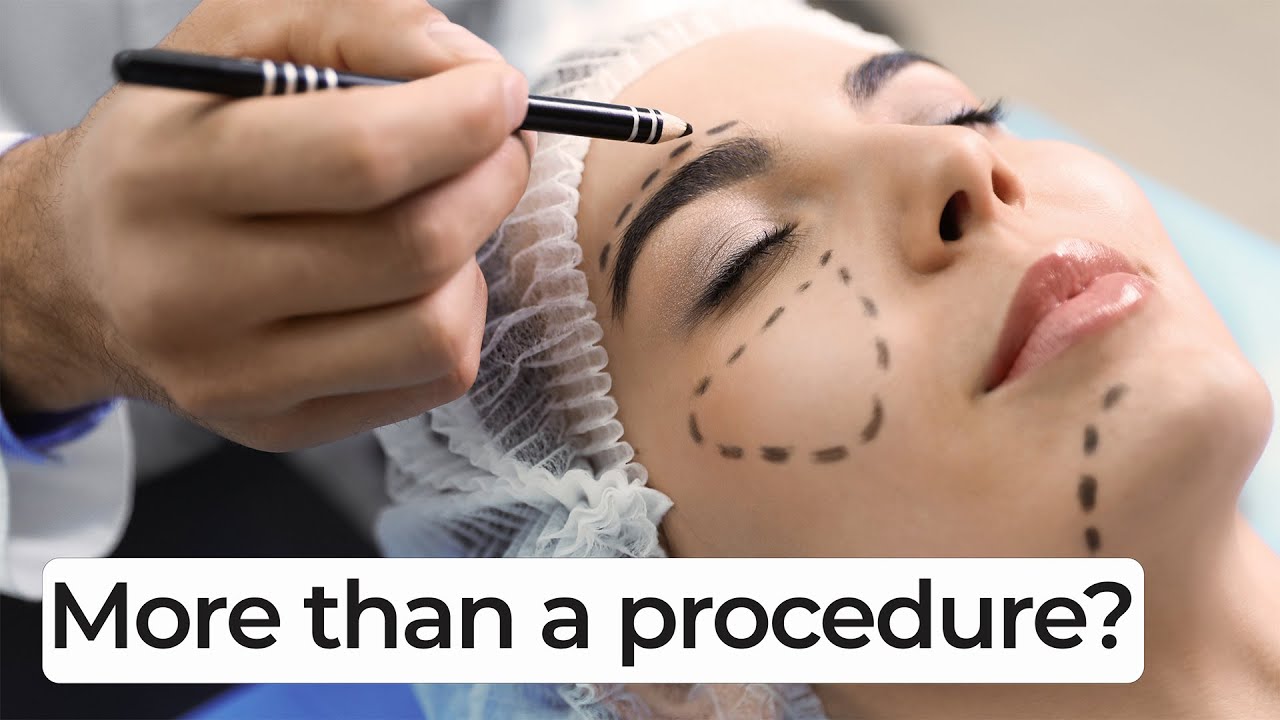
In this Before the Build episode, Eric Olson and Paul Charlebois reflect on the value of patient-centered field research—and how firsthand observation can reframe design priorities and impact outcomes in profound ways.
Paul shares an eye-opening story from a research session observing Mohs surgery, a specialized outpatient procedure for removing skin cancer. At first glance, the experience seemed overwhelming: patients were marked with dotted lines, then underwent facial excisions that appeared disfiguring. But over the course of the day, something deeper unfolded. The real story wasn’t just the clinical effectiveness of the surgery, but how patients experienced care, recovery, and dignity throughout the process.
The team observed how the clinic balanced harsh realities—patients with visible, temporary facial trauma waiting together in a shared space—with quiet, thoughtful design choices: no mirrors, careful pacing, and empathetic reconstruction work. These details emphasized the importance of viewing each case as more than a procedure.
Why Patient-Centered Field Research Matters
As Eric and Paul discuss, patient-centered field research often reveals more than what a design spec or user survey ever could. When engineers and developers step into real clinical environments, they can witness the emotional and procedural nuances that define patient experience. This approach can ultimately lead to better market adoption, stronger user satisfaction, and more impactful innovation.
Even when your device isn’t central to the treatment itself, being present in the broader clinical journey gives design teams critical insight into where they can reduce friction and add value.
Enjoying Before the Build? Sign up to get new episodes sent to your inbox.
Related Resources

The hourly rate is only a starting point when you choose a medical device engineering firm. Learn how to judge team staffing, in-house disciplines, facilities, ISO 13485 scope, and track record before you sign.

Medtech leaders expect connected products to take over their portfolios within five years. Three years of actual FDA clearance filings show a real climb, just a much more gradual one.

Learn why supply chain, process, cost, and quality gaps stall cleared devices, and why they are decided during design.

From skipping the doers to estimating toward a target budget, these ten project estimation pitfalls explain why good estimates go wrong and what to do instead.