

Bacteria Fun Facts
Need an easy conversation starter that is also scientifically accurate? This Bio Break episode shares bacteria fun facts that are surprising, memorable, and perfect for social settings. In a lighthearted year end conversation, Nick and Nigel explore just how much bacteria shapes our daily lives. From how much of your body is actually bacterial to how fast microbes can multiply, these facts are designed to stick with you long after the party ends.
Although the tone is playful, the science is real. This episode turns microbiology into something relatable, visual, and easy to explain to non experts.
We Are Mostly Bacteria
One of the most surprising bacteria fun facts is that humans are largely made up of microbes. As Nick explains, if you could somehow collect all the bacteria living on and inside your body and place them into a container, they would weigh about four pounds. Importantly, these bacteria are not unwanted guests. Instead, they live in a symbiotic relationship with us and play a critical role in normal health.
Removing them would not be beneficial. In fact, as the conversation jokes, it would be a very bad and very short lived weight loss strategy.
How Small Is a Bacterium?
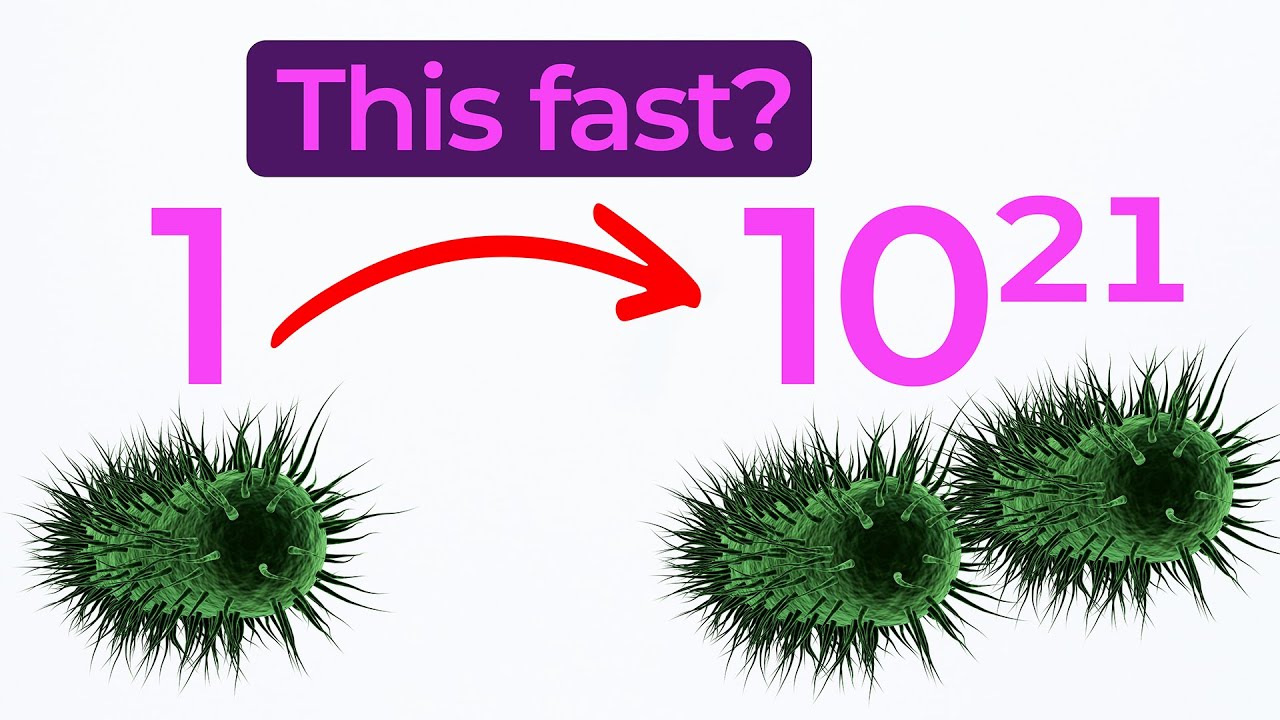
Perhaps the most astonishing bacteria fun fact is how quickly microbes multiply. Under optimal conditions, some bacteria can double every twenty minutes. Starting from a single cell, this rapid growth adds up fast. After twenty four hours, that one bacterium could theoretically become one sextillion cells.
A sextillion, as Nigel notes, is the number one followed by twenty one zeros. It is an almost unimaginable amount and a powerful reminder of how fast biological systems can scale.
A Smart Way to End the Year
The episode closes with a reflection on time, growth, and the transition into a new year. While the conversation is framed around holiday parties and casual storytelling, the underlying message is clear. Microbiology is all around us, whether we notice it or not.
Enjoying Bio Break? Sign up to get new episodes sent to your inbox.
Related Resources
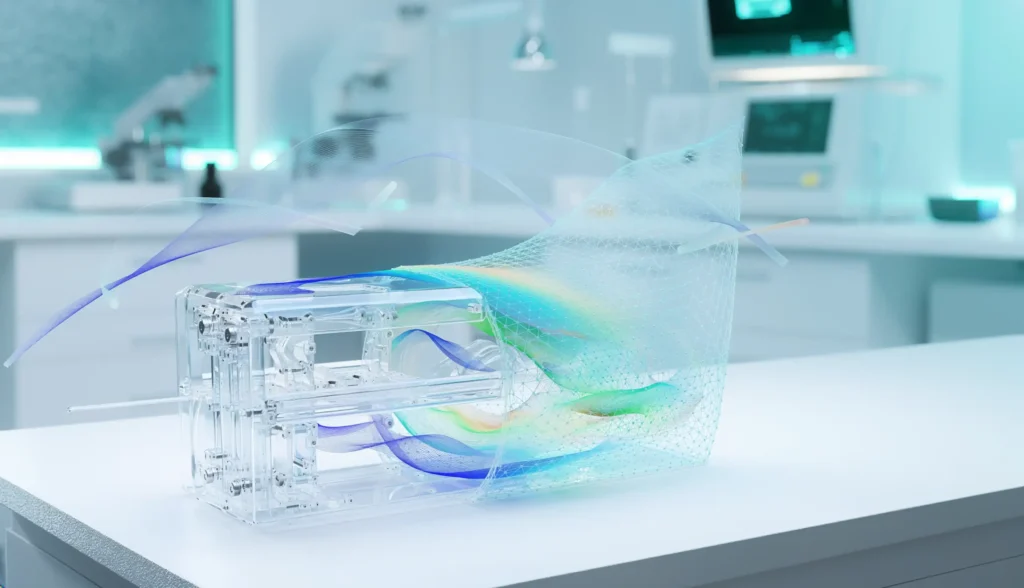
Many teams still underuse CM&S, often bringing it late in device validation, when key decisions have already been made. That approach leaves much of the value of CM&S untapped.

This article traces the Pennes bioheat equation from its 1948 origins to modern multiscale approaches, explaining how engineers select the right level of modelling complexity across device categories.

Five methods for building accurate project estimates, from gut feel to bottom-up, plus three add-ons that sharpen any estimate.
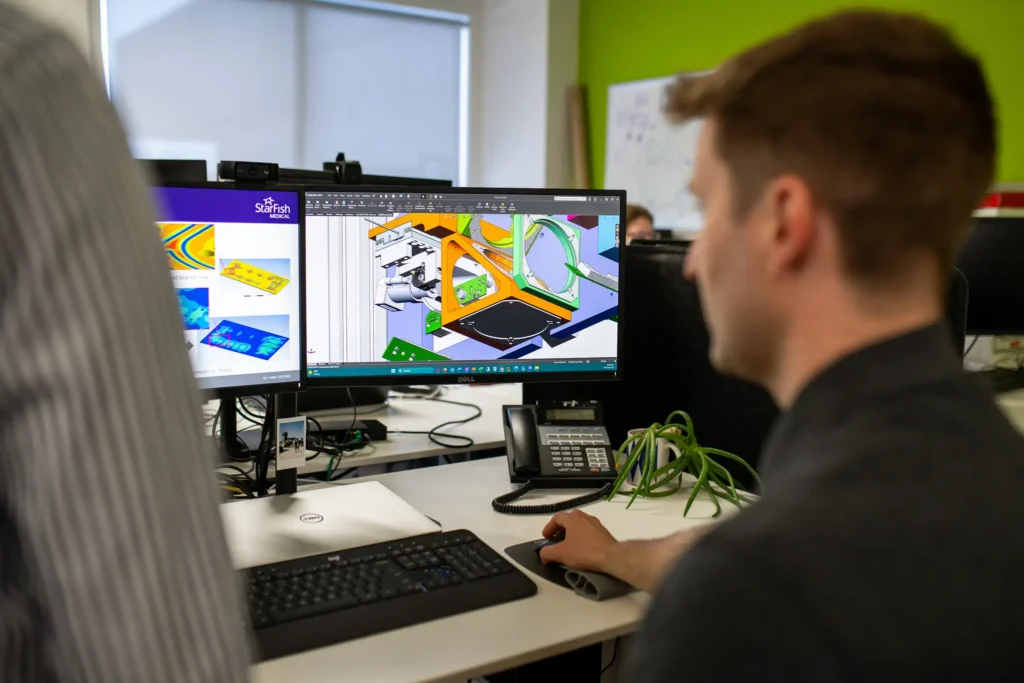
Designers and engineers today have no shortage of tools to improve designs, accelerate timelines, and meet cost targets. The challenge is knowing what to use and when.