

Bio Break Book Club: Sleep Science and Change Management
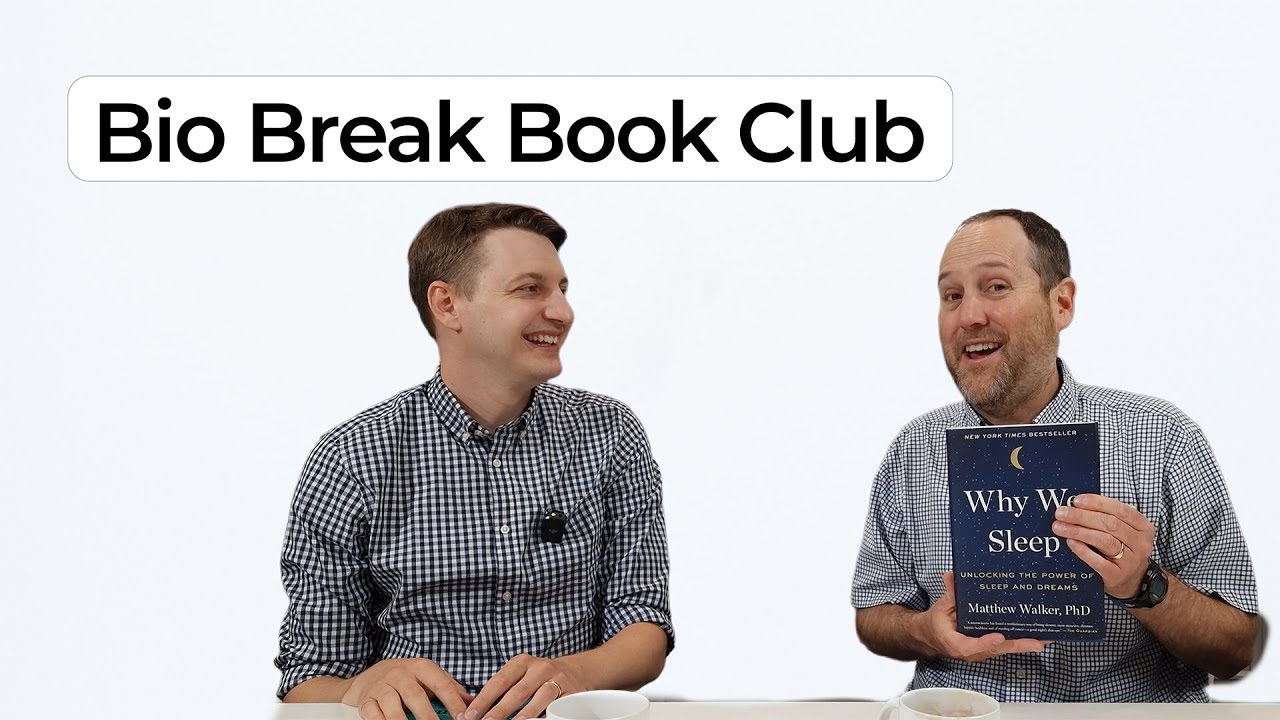
In this Bio Break episode, Nick Allan and Nigel Syrotuck share what they have been reading lately. From exploring the science of sleep to diving into change management, their picks show how books can spark insight both inside and outside the lab.
Why We Sleep: A Scientific Perspective
Nick admits he has been working through Why We Sleep by Dr. Matthew Walker. The book takes a detailed look at sleep science, including melatonin levels and REM cycles. While Nick appreciates the depth and the references, he jokes that reading it at bedtime makes it hard to get very far. Despite the challenge, he calls it a fascinating resource for anyone curious about the mechanics of rest.
Change Management and Innovation
Nigel has been reading a book on change management. He explains that it helps him stay on top of how innovation is rolled out in real-world organizations. The focus is on aligning teams, improving processes, and making sure new approaches are adopted effectively. While less technical than Nick’s choice, Nigel values it as an important lens for understanding how change succeeds.
A Lighter Take on Reading
The conversation even touches on whether fish sleep, sparked by Nigel’s son asking about their new betta fish. This lighthearted exchange highlights the mix of curiosity and humor that defines the Bio Break book club. Together, Nick and Nigel show that scientific detail and organizational strategy both have a place in shaping how we think about innovation.
Enjoying Bio Break? Sign up to get new episodes sent to your inbox.
Related Resources
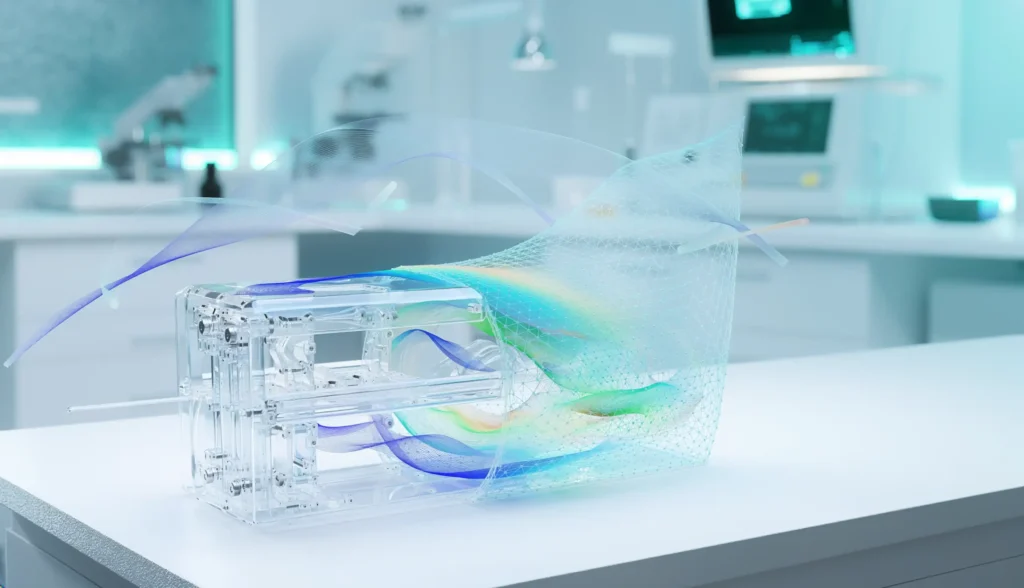
Many teams still underuse CM&S, often bringing it late in device validation, when key decisions have already been made. That approach leaves much of the value of CM&S untapped.

This article traces the Pennes bioheat equation from its 1948 origins to modern multiscale approaches, explaining how engineers select the right level of modelling complexity across device categories.
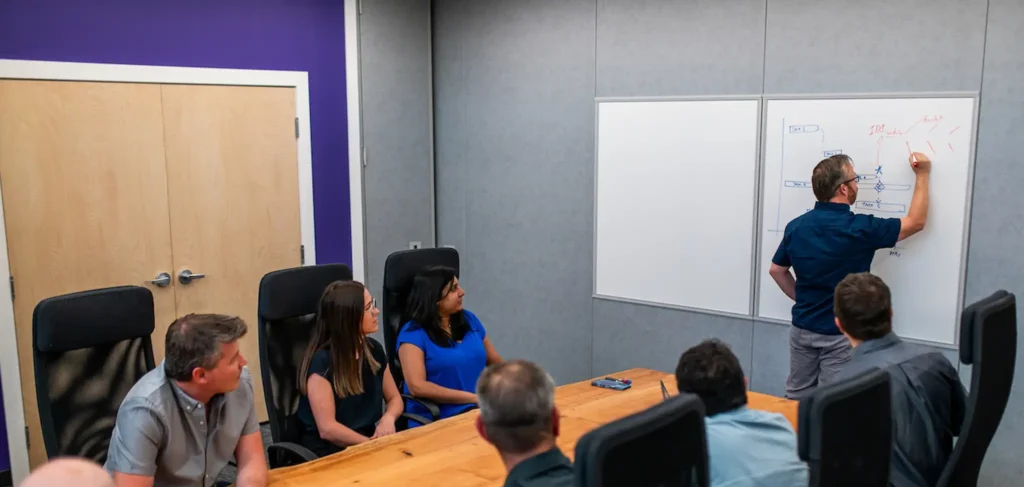
Five methods for building accurate project estimates, from gut feel to bottom-up, plus three add-ons that sharpen any estimate.
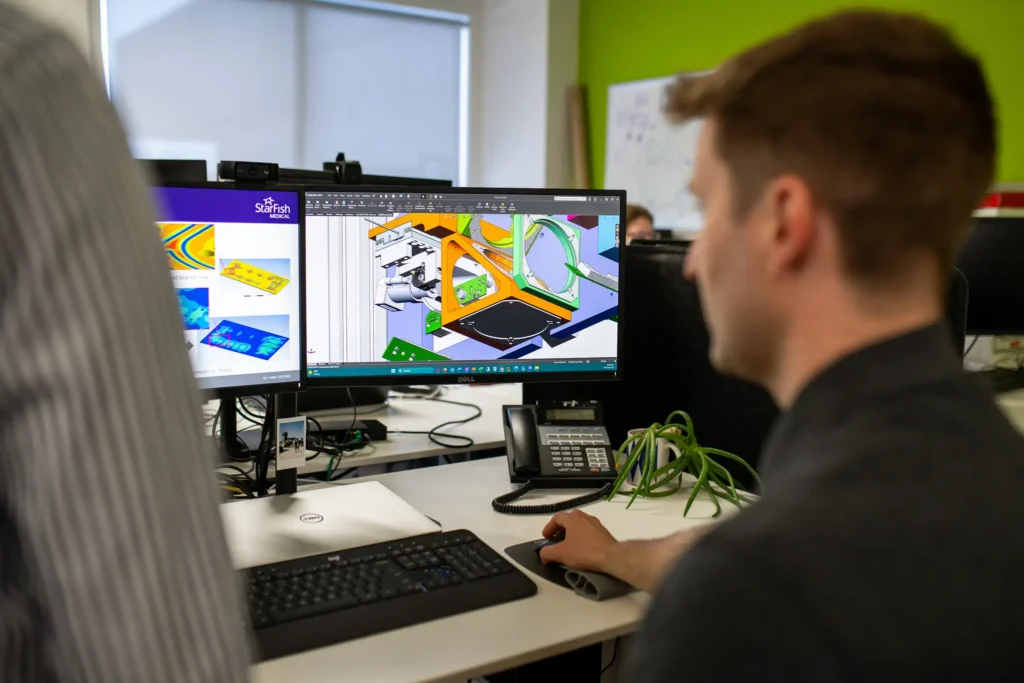
Designers and engineers today have no shortage of tools to improve designs, accelerate timelines, and meet cost targets. The challenge is knowing what to use and when.