
Consumer Health Prediction in Everyday Shopping
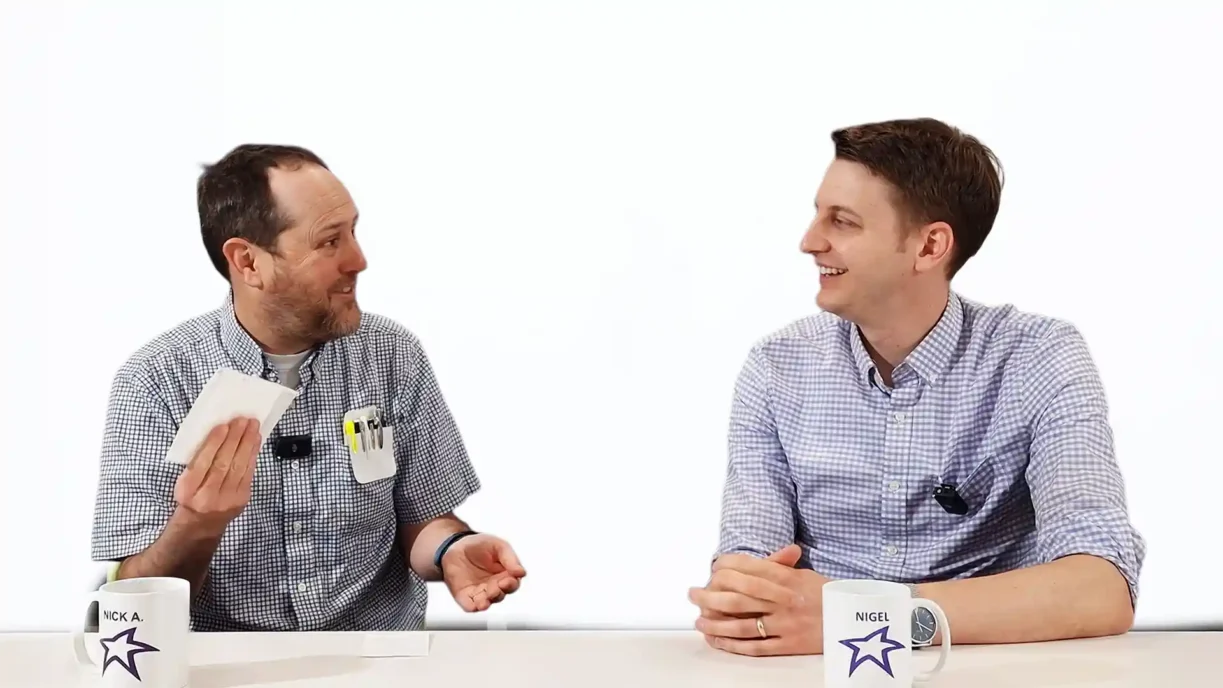
Consumer health prediction shapes more of daily life than most people realize. In this episode of Bio Break, Nick and Nigel explore how retail data can reveal health information without a person ever speaking to a clinician. The conversation begins with a simple trip to a store and quickly moves into a surprising privacy dilemma. By placing consumer behavior beside concepts from medical regulation, they show how shopping trends can turn into unintended health data signals.
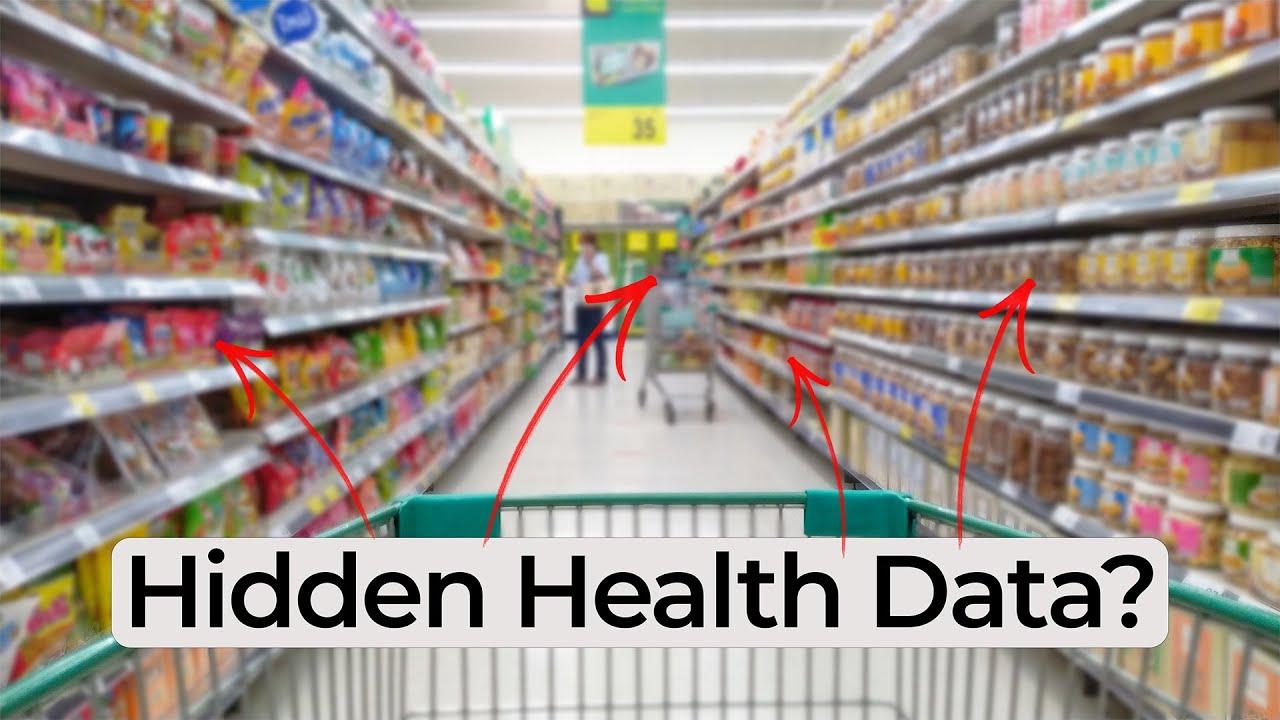
Nick starts with an example that has become an industry legend. Large retailers collect information on purchases, loyalty profiles, and demographic data. When millions of customers move through a system, patterns begin to form. As Nigel explains, these patterns can help stores restock shelves and also target advertisements. Yet they can also reveal sensitive insights. In some cases, they can even predict pregnancy before the customer knows. This is where the idea of consumer health prediction becomes important.
As the story unfolds, the conversation shifts toward health privacy. Nigel walks through the core idea of the Health Insurance Portability and Accountability Act. He explains that once personal data can be tied to a medical condition, the information becomes sensitive. Nick then raises the central question. If a store can infer a condition like pregnancy from non medical data, does that information become protected health information. This leads to a lively discussion about regulation and responsibility.
Although the episode stays grounded in a casual moment between colleagues, it highlights a meaningful challenge. Data from regular life can drift into the territory of health information. Designers in MedTech need to understand how this overlap happens. They also need to consider how privacy obligations begin before a device collects any clinical data.
The episode ends with humor as Nick heads out for errands while Nigel hints that even simple shopping choices might trigger health predictions. The result is a thoughtful and surprising look at how data trails can reveal more than intended.
Enjoying Bio Break? Sign up to get new episodes sent to your inbox.
Related Resources
Nick and Nigel explore the science behind hand sanitizer formulations. They discuss how alcohol interacts with bacterial cells, why water improves its effectiveness, and what the additional ingredients in sanitizer actually do.

Scott Phillips, CEO of StarFish Medical, sits down with Peter van der Velden, Managing General Partner at Lumira Ventures, to explore the strategic thinking behind major MedTech transactions and investments.
Computer vision technologies such as convolutional neural networks and vision transformers are transforming how AI analyzes medical images, each offering distinct advantages depending on the application and computing environment.
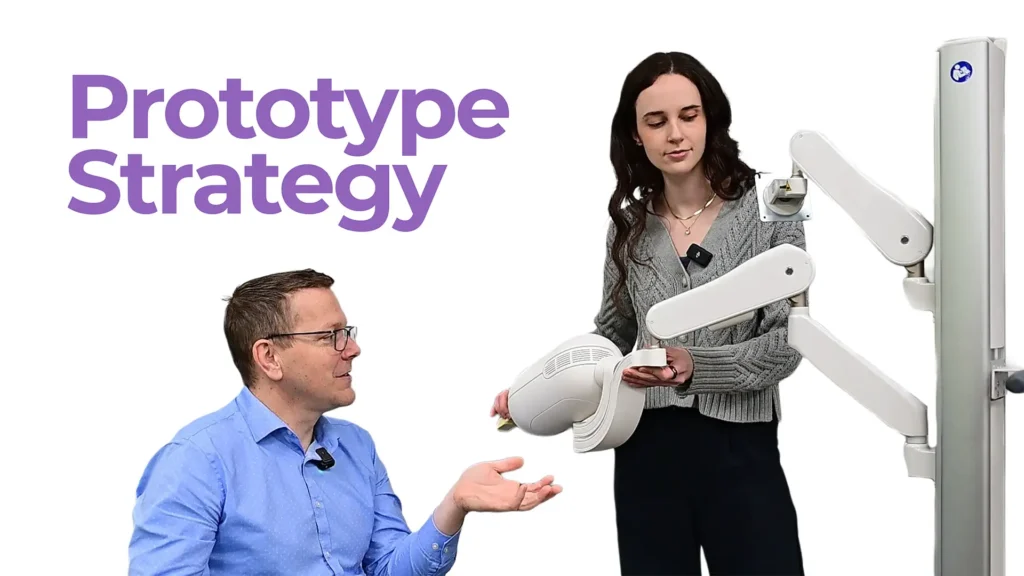
Ariana and Mark explore how prototype strategy helps teams reduce technical risk and accelerate progress.