
Fluorescent Soil Load Test
Visualizing Cleaning Performance in Device Testing
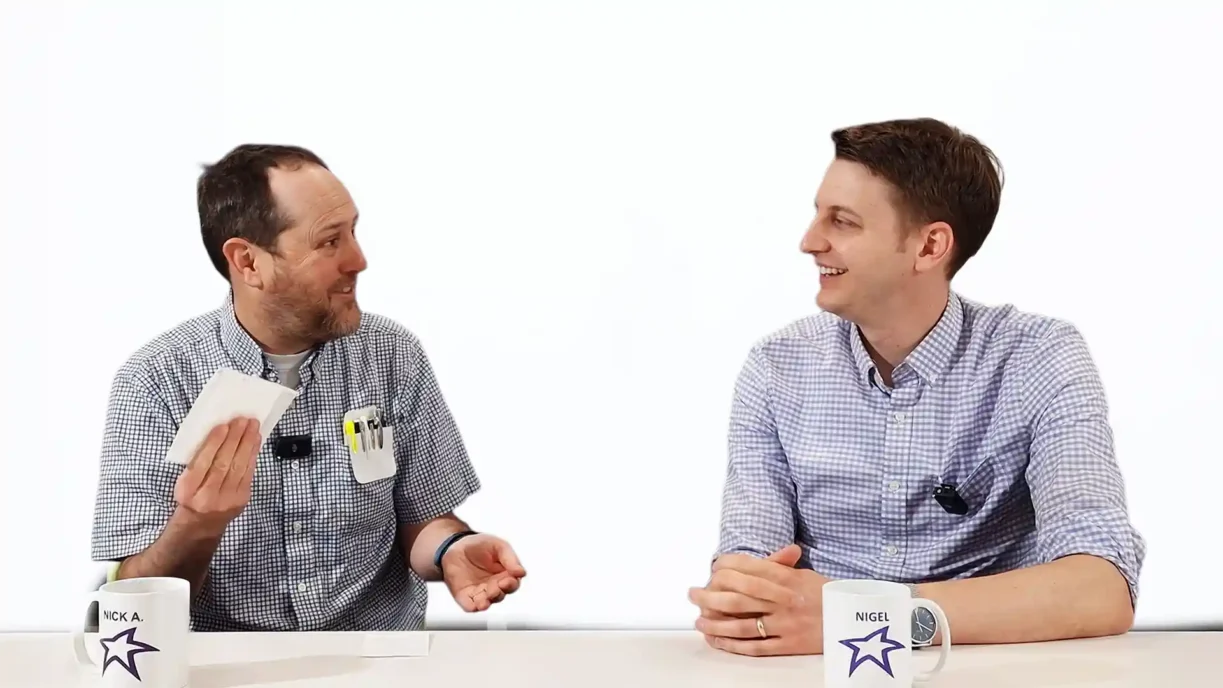
In this Bio Break episode, Nick Allan and Nigel Syrotuck explore a creative approach to visualizing cleaning validation using a fluorescent soil load. This method turns a standard cleaning solution into a glowing visualization tool, helping engineers assess how effectively a medical device can be cleaned.
They start with a standard, sterile artificial soil made from mucin and bovine serum albumin. This mixture mimics real-world contamination and is commonly used in cleaning validation tests. The challenge, however, is that the normal soil load is nearly invisible on surfaces, making it difficult to see where residue remains after cleaning.
A Bright Twist on Standard Testing
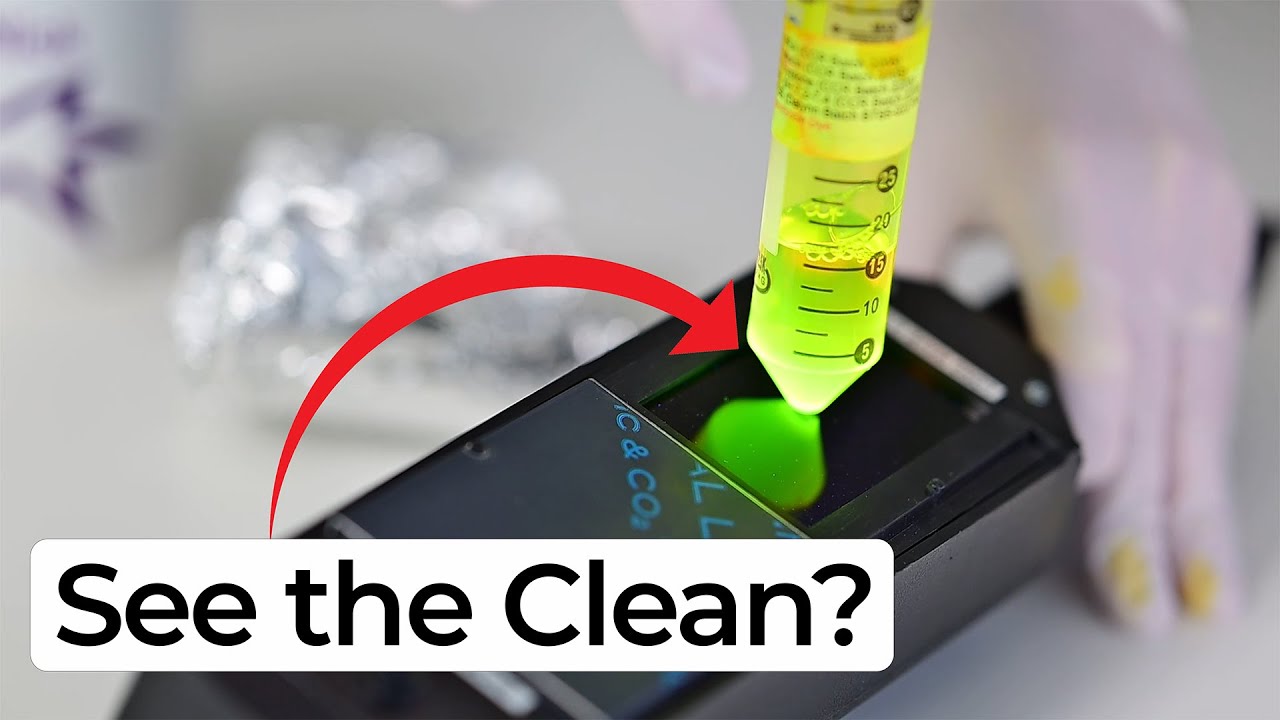
To make the soil load visible, the team at StarFish Medical modified the mixture by adding fluorescein, a compound that emits light under UV exposure. When illuminated, the fluorescent soil load glows bright orange, highlighting even small traces left on a surface. This allows engineers to wipe, rinse, and immediately visualize their cleaning results without complex instrumentation.
Using this technique, teams can quickly iterate on device cleaning designs, evaluate surface geometry, and confirm whether their cleaning approach is working effectively. The result is a simple, visual method that accelerates testing and reduces uncertainty during early product development.
Simple Tools, Big Insights
A standard UV light is all that’s needed to activate the glow, turning a simple cleaning test into a clear visual experiment. As Nick demonstrates in the episode, the bright fluorescence makes it easy to see success or missed spots, providing rapid feedback for design improvements.
This fluorescent cleaning test reflects StarFish Medical’s commitment to hands-on innovation, where small laboratory adjustments lead to meaningful process insights.
Enjoying Bio Break? Sign up to get new episodes sent to your inbox.
Related Resources
Compute demands on “the edge”, like embedded sensors or remote devices. have grown significantly as AI has moved from experimentation to deployment. Medical devices are pushing more of their AI functionality onto edge hardware.
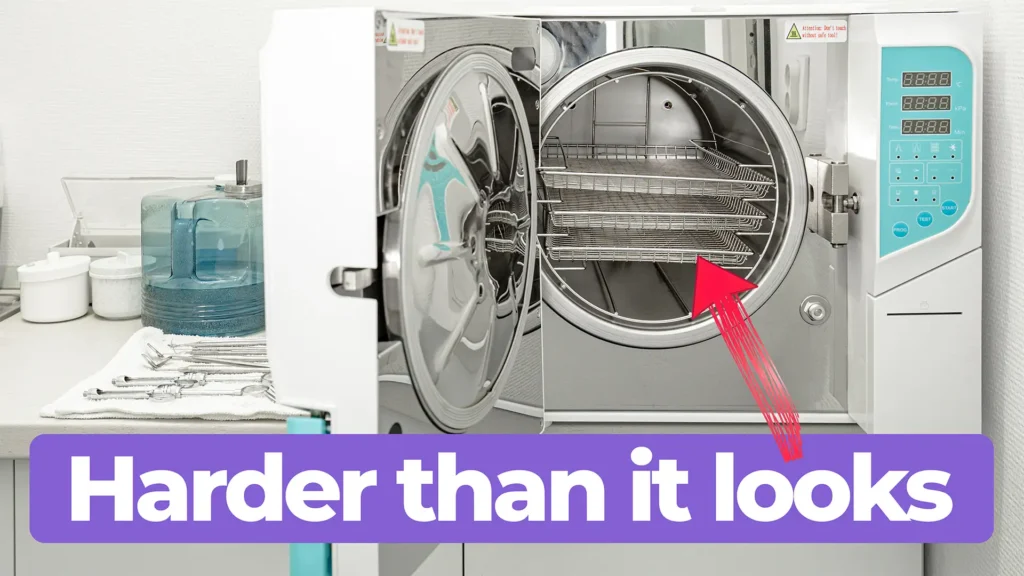
Medical device cleaning is more complex than it seems. In this Bio Break episode, Nick and Nigel unpack what really goes into cleaning medical devices and why it cannot be treated like a simple wipe-down process.
This blog reviews the main families of optical detectors and the major technologies in those families.

Jason McGee explores how the Rightness Trap Medtech dynamic can quietly erode enterprise value in medical device companies.