
Medical Device Cleaning Process Explained
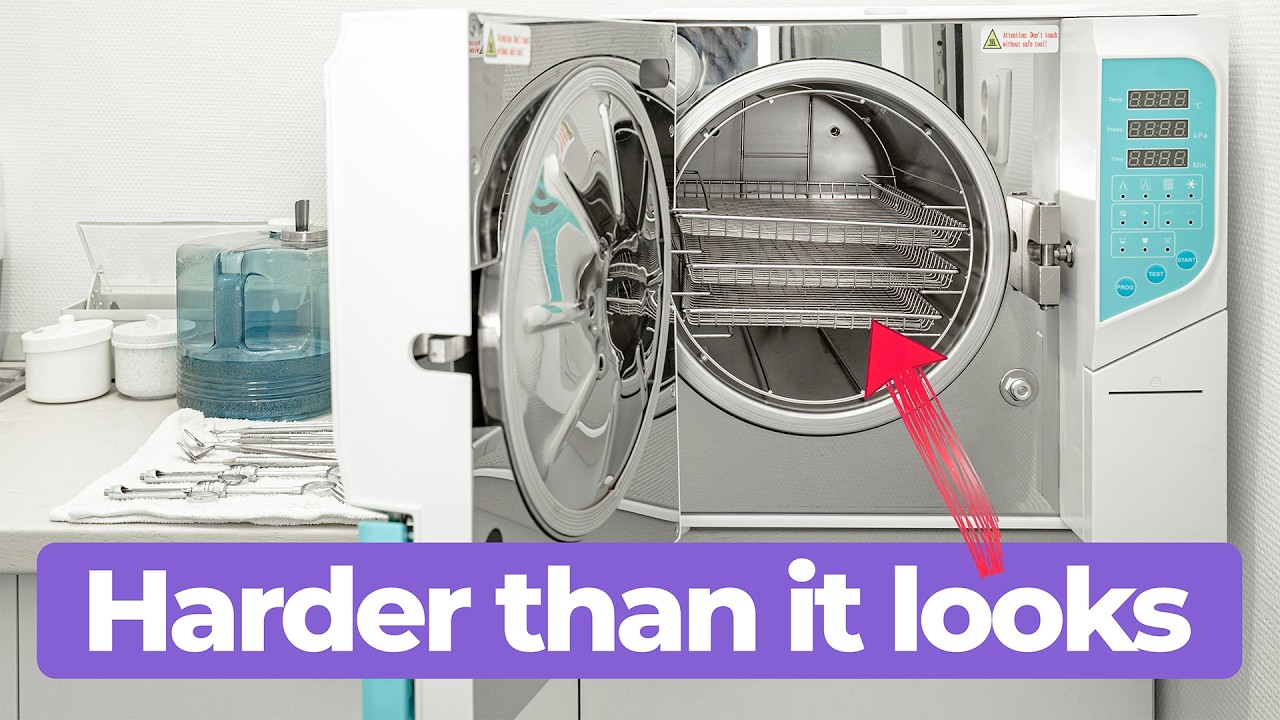
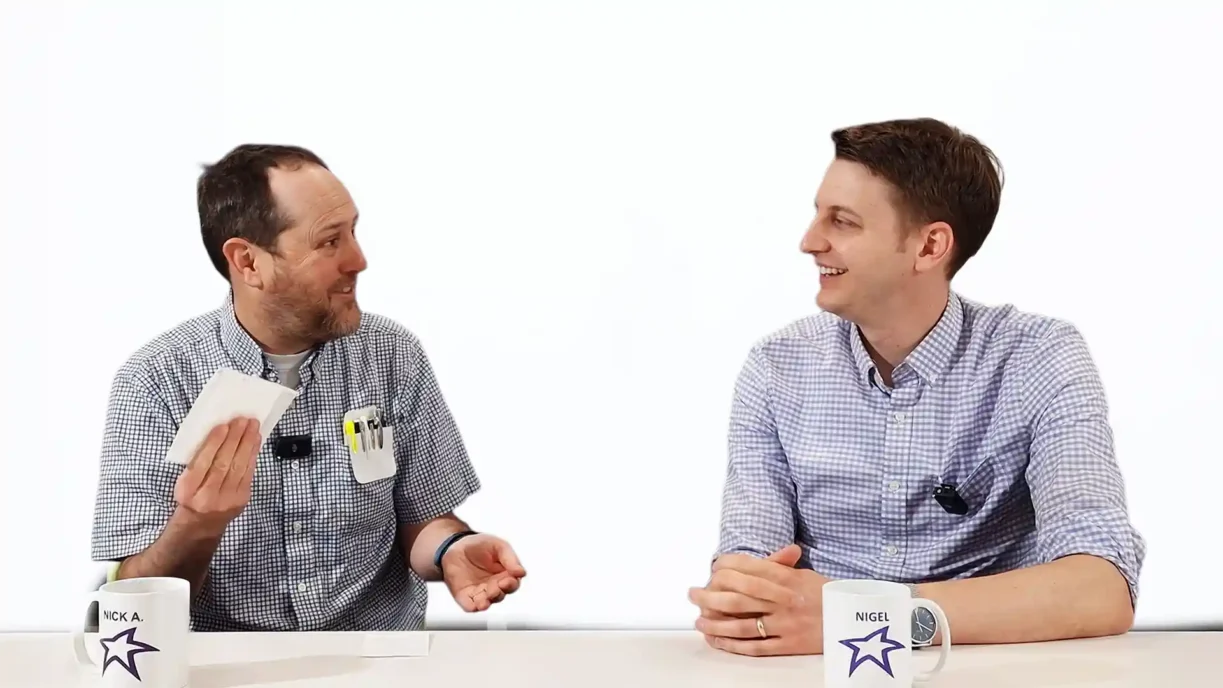
Medical device cleaning is more complex than it seems. In this Bio Break episode, Nick and Nigel unpack what really goes into cleaning medical devices and why it cannot be treated like a simple wipe-down process.
At first glance, cleaning may seem straightforward. In practice, achieving consistent, validated results across hundreds or thousands of devices introduces real engineering and manufacturing challenges.
Why Medical Device Cleaning Is Not Simple
The first question Nick raises is whether cleaning is even necessary, because cleaning is genuinely difficult. Not just the physical act itself, but maintaining consistency across large volumes of devices. How do you clean a thousand devices in exactly the same way?
In many cases, cleaning still involves manual steps. Even where tools like ultrasonic cleaners are used, human interaction is often required during the process. Devices may touch each other during drying. They may be oriented differently. One device upside down, two pieces overlapping or nesting together — small variations like these can affect results and require someone to intervene.
Contamination Risks During and After Cleaning
Even after cleaning, contamination can still occur. Humans naturally shed particles. Clothing, surfaces, and air can all introduce dust or debris. That is why some cleaning processes take place in controlled environments such as clean rooms, though even there, every interaction introduces potential risk.
Importantly, not all contamination can be removed through sterilization. Physical debris like sand or dust must be removed during cleaning. As Nick puts it, you cannot sterilize a piece of sand out of a medical device.
Validation and the Cleaning Procedure
Medical device cleaning requires a validated, custom procedure for each device. The process must be documented and repeatable, covering specifics like the cleaning method, chemical concentration, and drying conditions.
Packaging must also be considered as part of the process. Once a device is cleaned and placed into packaging, new risks can be introduced. Accelerated aging, which is a heat treatment process, can affect the device further — for example, drying out chemicals used in cleaning in ways that a non-heat-treated device would not experience. Sterilization can also have an impact.
Cleaning vs Sterilization
Cleaning and sterilization are not the same. Cleaning focuses on removing physical soils such as dust and debris. Sterilization targets microorganisms. Some devices, such as reprocessable devices like endoscopes, do not go through literal sterilization, which makes effective cleaning even more critical for those products.
What this episode covers
- Nick’s framing that the first question to ask is whether cleaning is actually necessary, given how difficult and complex consistent cleaning is to achieve
- Why manual steps are often still required even when tools like ultrasonic cleaners are used, and how small variations in device orientation or positioning can affect cleaning outcomes
- How humans, clothing, and environment introduce particulate during and after cleaning, and why clean rooms are sometimes required
- Why physical contamination like sand or dust cannot be sterilized away and must be addressed during the cleaning process itself
- How each device requires its own custom, validated cleaning procedure covering method, chemical concentration, and drying conditions
- The downstream factors that can affect cleanliness after the fact, including packaging, accelerated aging processes, and sterilization
- The distinction between cleaning, which removes physical soils, and sterilization, which targets microorganisms, and why reprocessable devices like endoscopes make this distinction especially important
Enjoying Bio Break? Sign up to get new episodes sent to your inbox.
Related Resources
When one team designs, lays out, and brings up a board, knowledge sticks. Splitting that work across specialists looks efficient but creates the risk it’s meant to avoid.
AI coding agents like Claude and Codex are helping EE teams turn concepts into tested hardware in weeks, not months, without adding a new vendor or software dependency.
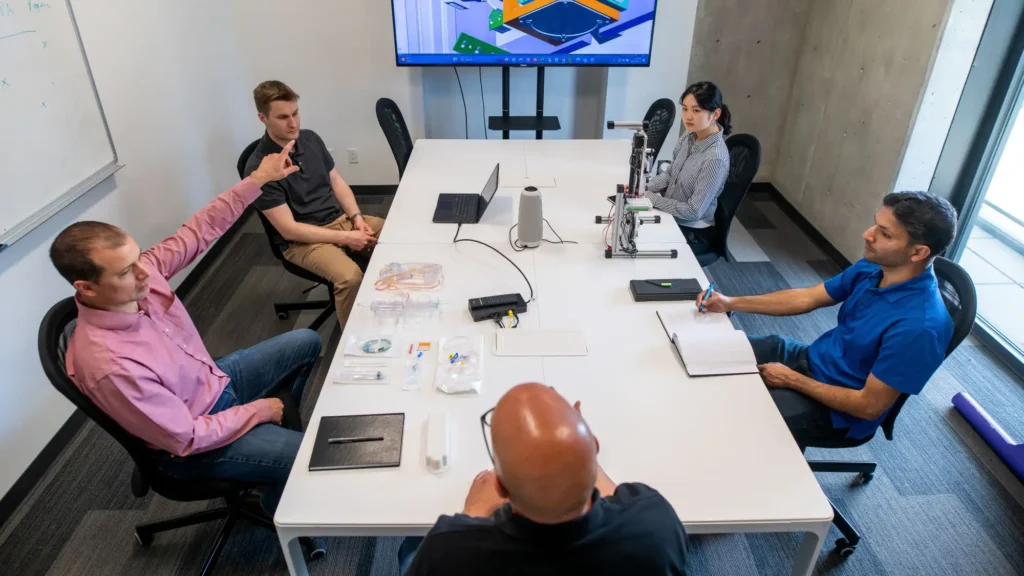
Choosing an EE partner is a program risk decision, not a staffing decision. Early architecture choices carry through to certification, and the wrong partner can cost far more than their hourly rate suggests.
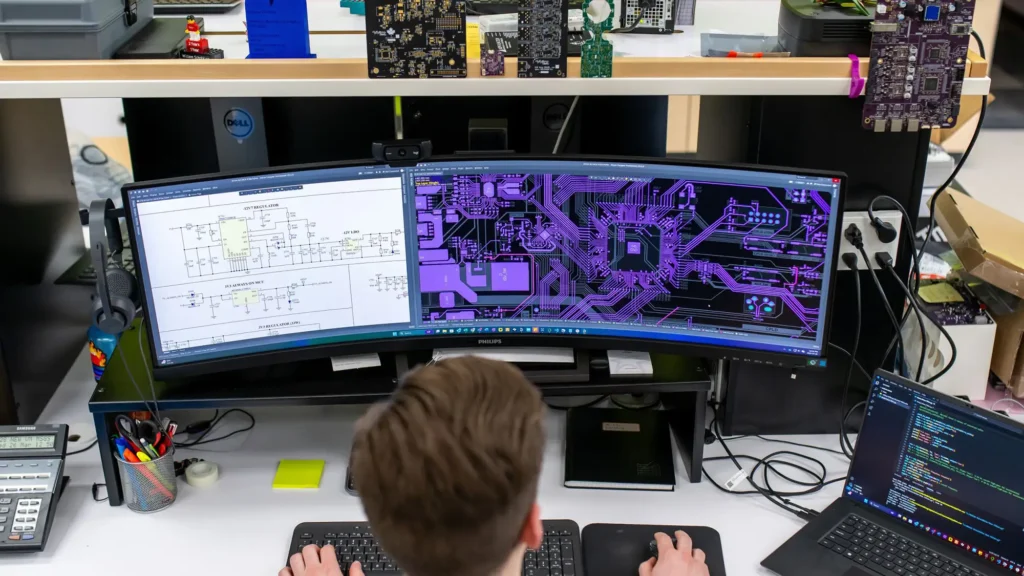
PCB stack-up shapes signal integrity, EMC performance, and manufacturability long before layout begins. Getting layers and reference planes right avoids costly redesigns later.