

Global Drug Delivery Challenges Explained
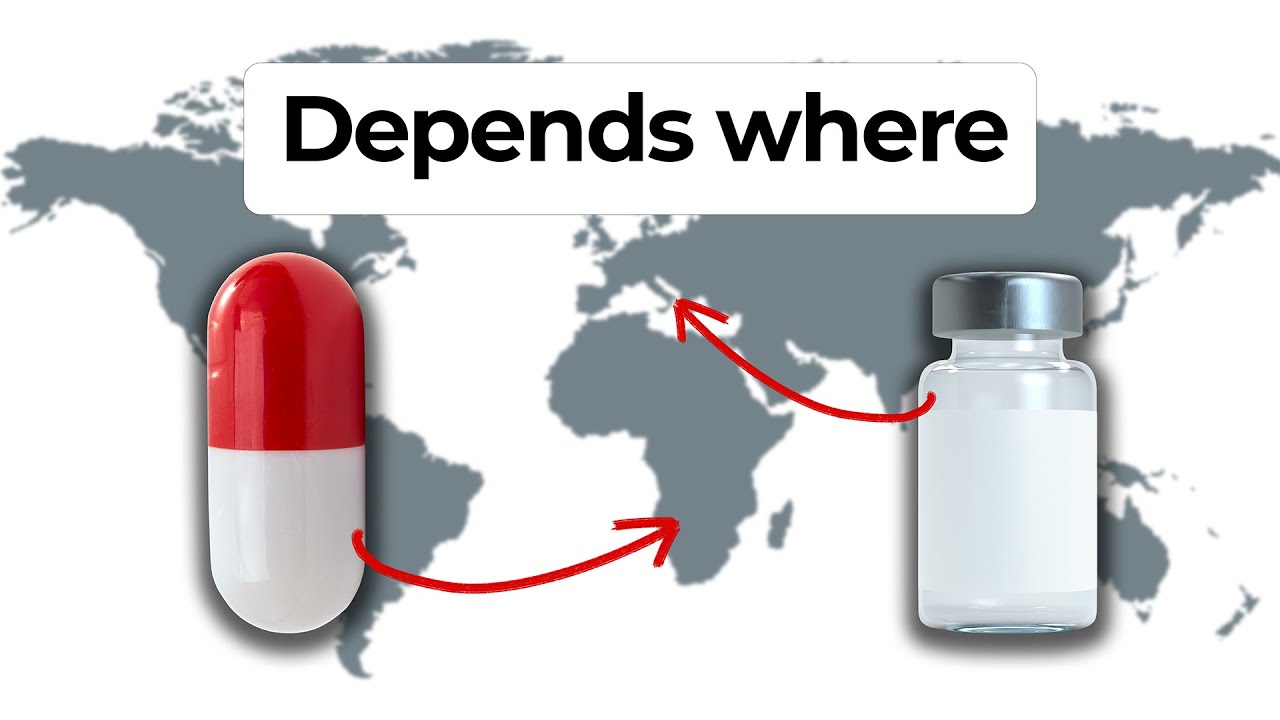
In this episode of Bio Break, Nick Allan and Nigel Syrotuck dive into the surprising realities of global drug delivery. While medical devices often dominate development conversations, the way drugs are delivered across regions can dramatically change how treatments succeed — or fail.
Nigel reflects on a trip to Italy where food sparked thoughts about oral drug delivery. In regions like Italy, pills and tablets are the most common approach. Larger countries also tend to prefer simple, scalable methods such as pills or injections. By contrast, smaller regions may be more open to specialized treatments that require more time or unique handling.
Regional Differences in Drug Delivery
Drug delivery methods are influenced not just by culture, but also by economics, insurance systems, and infrastructure. For example, biosimilars are more readily accepted in some countries depending on reimbursement structures. Meanwhile, large-scale programs — such as vaccine rollouts — highlight how fragile supply chains can be.
Cold Chain and Pandemic Lessons
Certain drugs, including attenuated vaccines, require strict cold chain maintenance. In developing regions, this presents a major challenge. The COVID-19 pandemic underscored this issue when millions of doses expired due to distribution and storage limitations. As Nick and Nigel note, a drug designed for one part of the world may face barriers to adoption in another, depending on the delivery method.
Enjoying Bio Break? Sign up to get new episodes sent to your inbox.
Related Resources

Nick and Nigel breaks down what actually goes into the cost of getting a sterilized device into a user’s hands, and why up to 30% of costs can sit in places most teams don’t plan for.
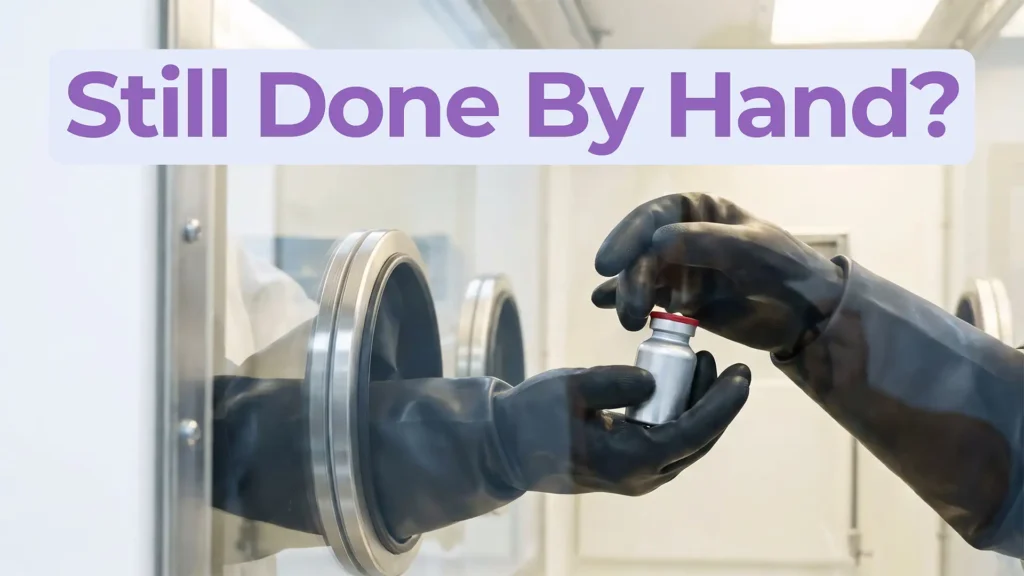
Theranostics combines diagnosis and therapy into a single targeting system, using one ligand to attach to two different radioactive payloads, one for imaging and one for treatment. It represents a significant shift in how cancer is being identified and treated. But the theranostics delivery workflow tells a different story.
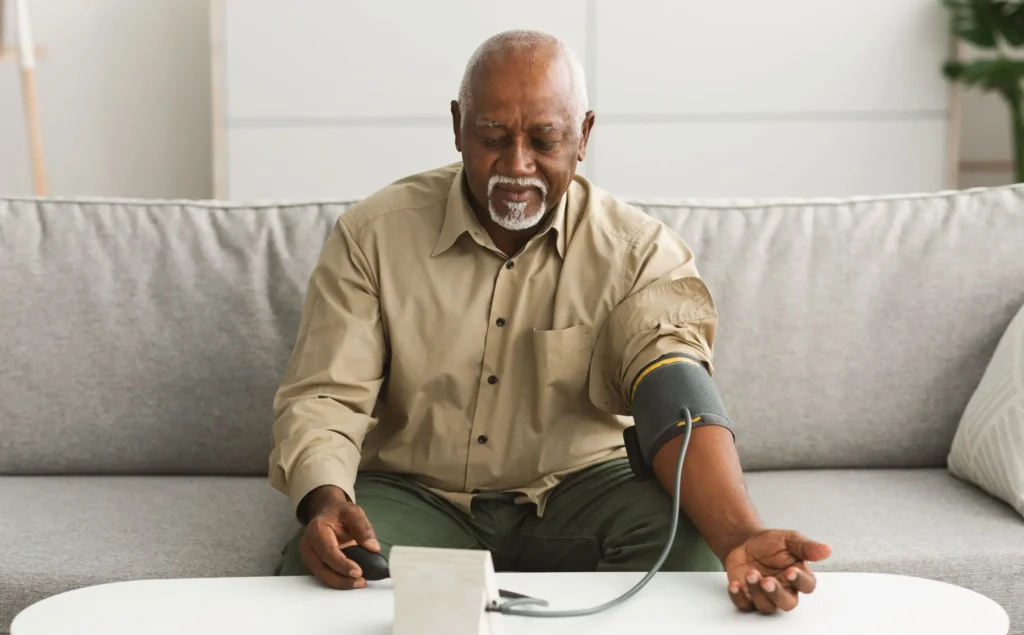
Most medical devices were designed for clinical settings, not the patients and caregivers who increasingly rely on them at home. Here’s what good home-use device design actually requires.

How do you measure comfort in medical device design? Explore the tools, scales, and study design principles that turn a subjective experience into actionable design data.