

How Syringe Engineering Enables Precision at Scale
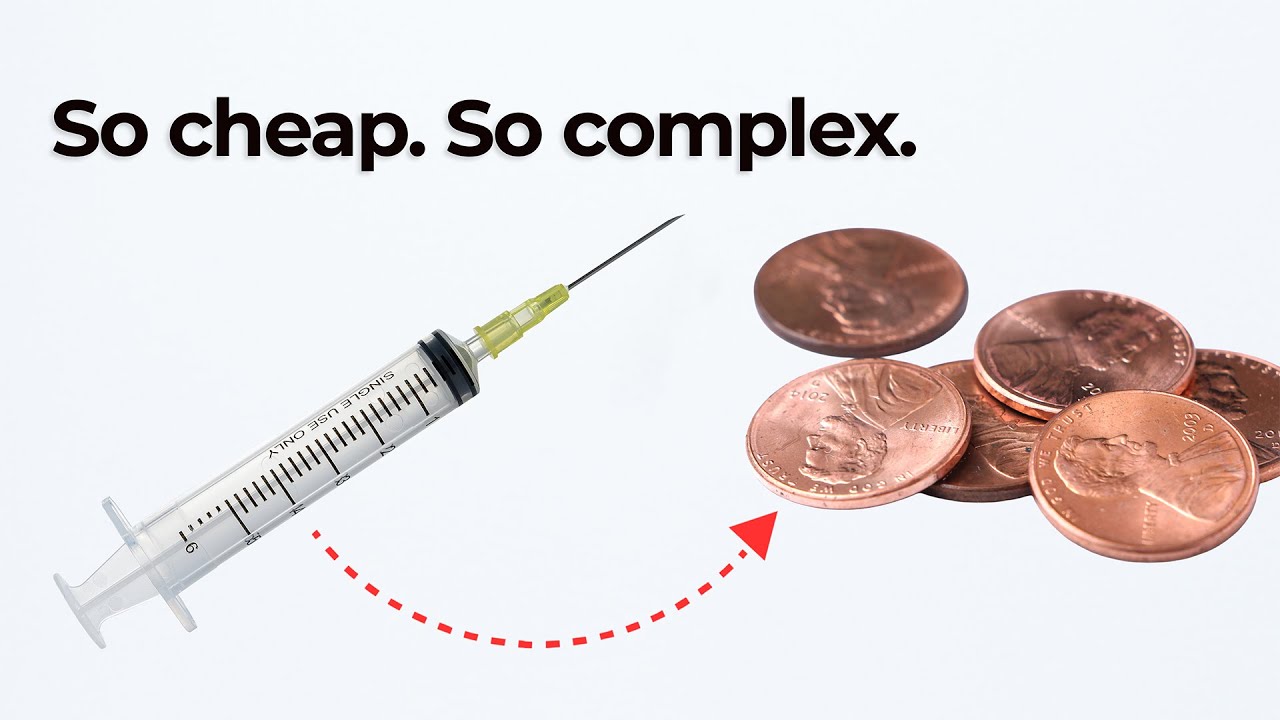
In this episode of Bio Break, Nick and Nigel dive into the fascinating world of syringe engineering. Despite costing just pennies, syringes pack an extraordinary amount of design and manufacturing complexity. From precision-molded barrels to breathably sealed packaging, these tools are more than meets the eye.
With billions produced each year, the design of syringes must balance cost, performance, and manufacturability. Syringes are typically injection molded, requiring precise draft angles and smooth interior finishes. Otherwise, even basic functionality—like forming a seal—can be compromised.
Nigel explains how even subtle design choices affect usability and accuracy. For instance, minimizing dead space in the barrel ensures accurate dosing, while tightly controlled extractables and pH levels support biocompatibility. The small ruler-like graduations on the side? They’re tested for microliter-level accuracy.
High-Volume Manufacturing and Packaging
To keep up with demand, manufacturers rely on high-throughput systems like form-and-seal machines. These automated lines assemble, seal, and label syringes with extreme efficiency. That means millions of sterile, ready-to-use devices can roll off the line daily—every one of them a testament to smart syringe engineering.
Why Syringe Design Still Matters
Even though syringes may not have a sharp “point,” they still make a sharp point about the value of thoughtful engineering in medtech. Nick and Nigel explore why this unsung device deserves a little more respect.
Curious about how these concepts apply to other drug delivery tools? Check out our episode on microneedles for transdermal delivery for another look at clever delivery methods.
Enjoying Bio Break? Sign up to get new episodes sent to your inbox.
Related Resources
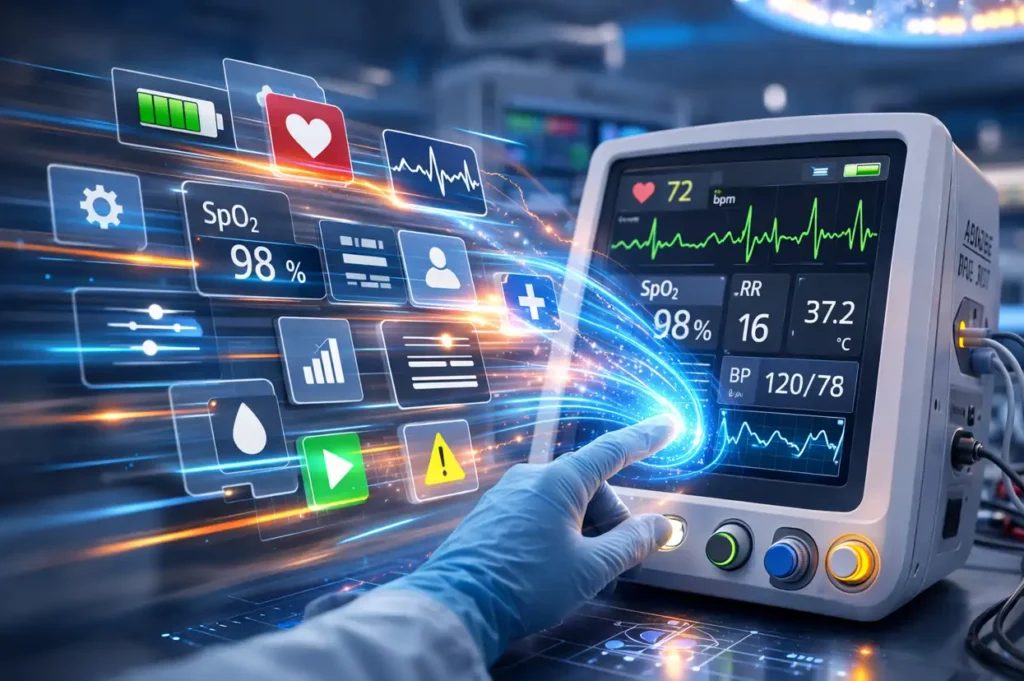
Medical device teams developing embedded and cross-platform GUIs can accelerate delivery without compromising usability or validation by choosing the right framework early and designing for performance, portability, and maintainability.
Compute demands on “the edge”, like embedded sensors or remote devices. have grown significantly as AI has moved from experimentation to deployment. Medical devices are pushing more of their AI functionality onto edge hardware.
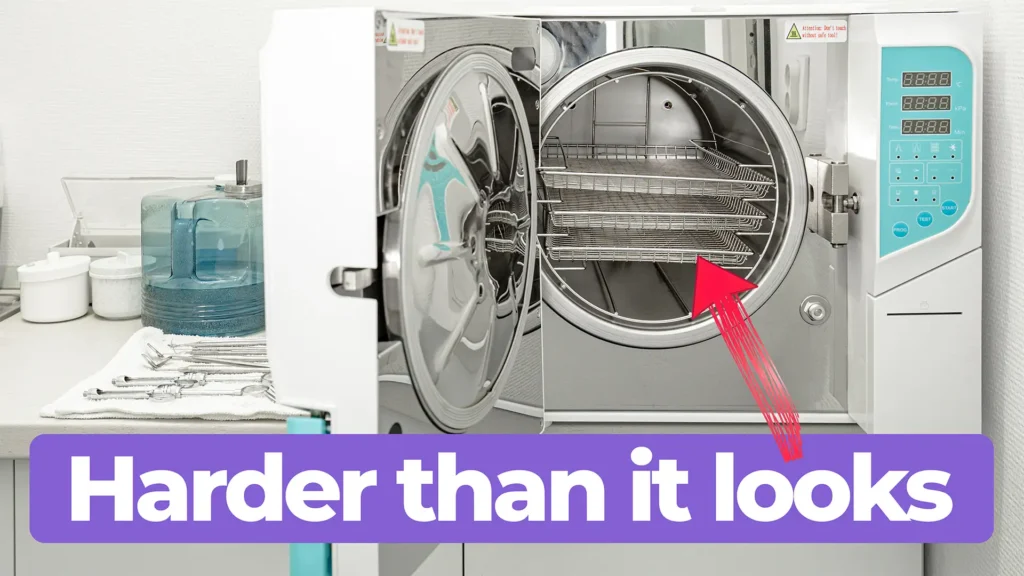
Medical device cleaning is more complex than it seems. In this Bio Break episode, Nick and Nigel unpack what really goes into cleaning medical devices and why it cannot be treated like a simple wipe-down process.
This blog reviews the main families of optical detectors and the major technologies in those families.