
Biofilm Referencing Lesson
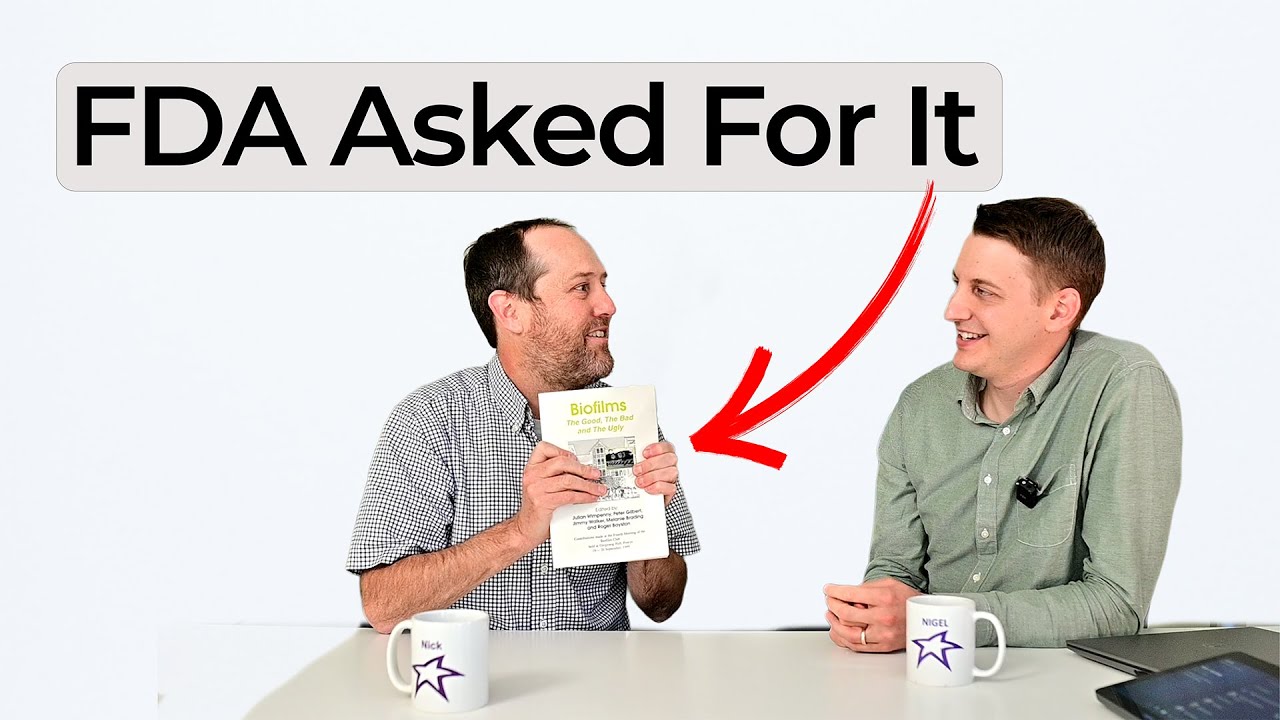
When reviewing evidence for a medical device, a single citation can shape an entire submission. In this Bio Break episode, Nick shares a biofilm referencing lesson that has stayed with him since the early 2000s. The story begins with a book of proceedings from a 1999 biofilm meeting and leads to an important reminder about accuracy, documentation, and the realities of regulatory work before online databases were common.
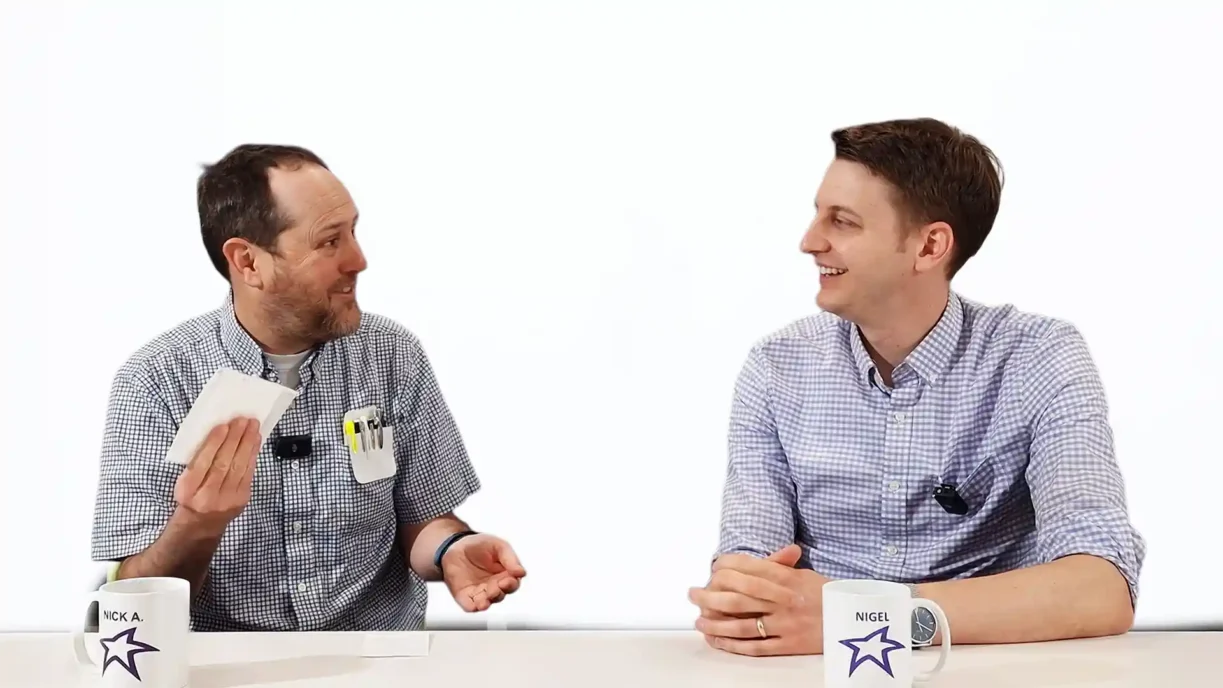
A story from early biofilm registration work
At the time, Nick was helping companies support antimicrobial biofilm claims. Standard test methods did not yet exist, so he relied on peer reviewed literature and methods he could find in conference manuscripts. One manuscript in the 1999 proceedings book described a useful approach and seemed appropriate to reference in an FDA submission.
When the FDA reviewed the package, they asked to see the full article. The request sounded simple. In practice, it was not. This was a period before widespread digital access. Nick had cited the method, but he did not actually have the full paper.
Turning one citation into a real world lesson
To respond, Nick contacted the conveners of the original conference. Peter Gilbert, whom he describes as the late great Peter Gilbert, provided his personal copy of the book so Nick could supply the missing article. That moment turned into a lasting biofilm referencing lesson that still influences how he approaches evidence in medtech.
Today the book lives on his desk. It serves as a reminder to always keep complete references on hand and to verify sources before using them in a regulated context. The story also offers a look at the challenges facing teams working on antimicrobial claims in the early days of biofilm science.
Why this referencing story still matters
Nigel closes the conversation by reflecting on how the experience captures both the history of biofilm research and the importance of accurate documentation. Nick emphasizes that even a small oversight can slow a submission and that good habits make a difference. The episode shows how a simple mistake became a valuable practice that he still follows.
For more real stories from medical device development, explore additional Bio Break episodes on our site.
Enjoying Bio Break? Sign up to get new episodes sent to your inbox.
Related Resources
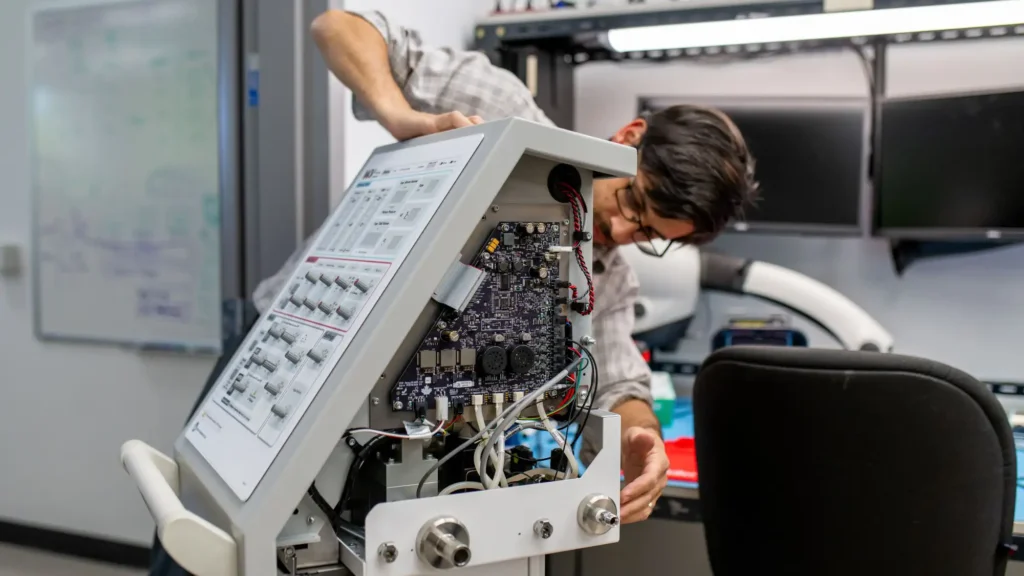
When one team designs, lays out, and brings up a board, knowledge sticks. Splitting that work across specialists looks efficient but creates the risk it’s meant to avoid.
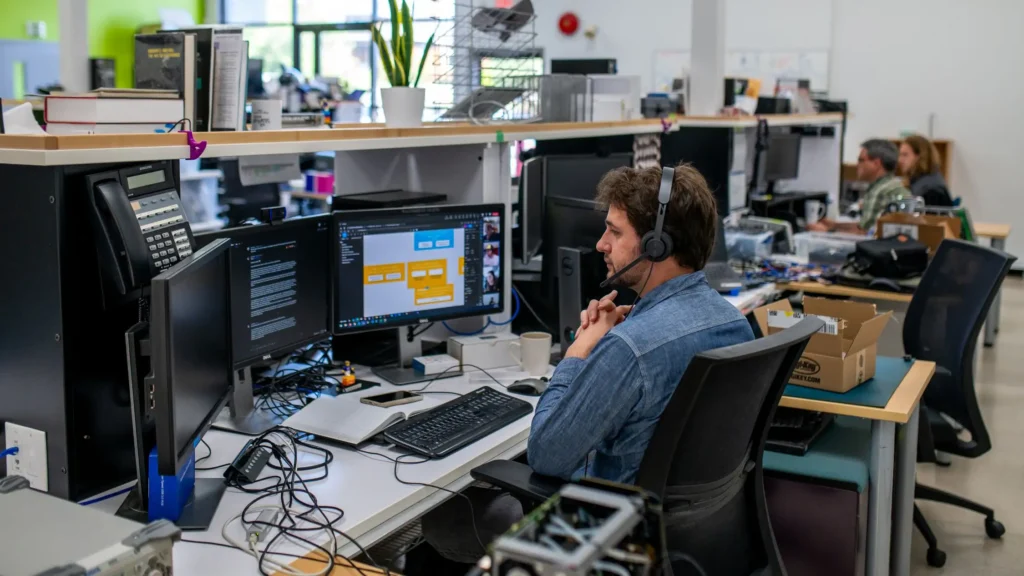
AI coding agents like Claude and Codex are helping EE teams turn concepts into tested hardware in weeks, not months, without adding a new vendor or software dependency.
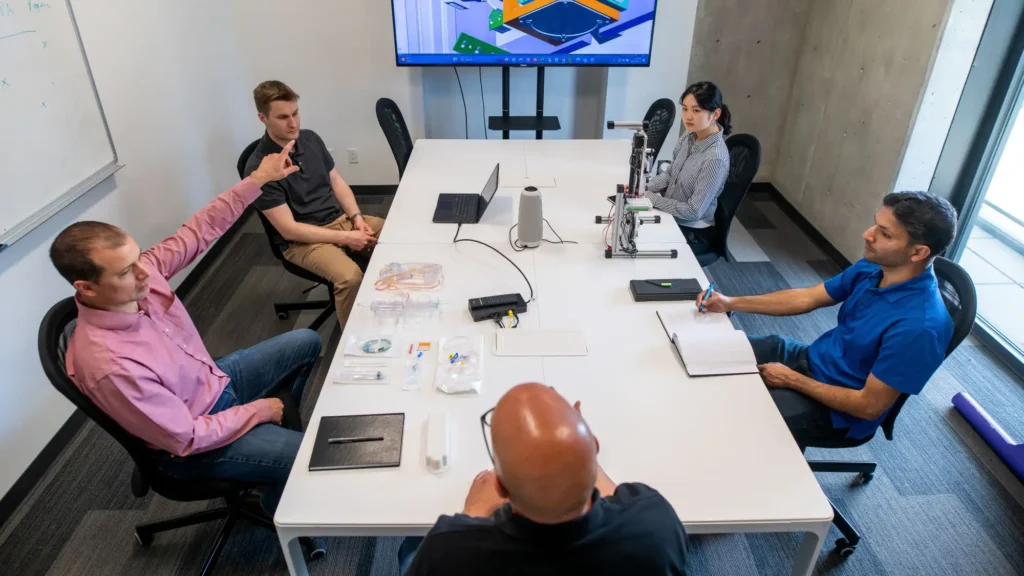
Choosing an EE partner is a program risk decision, not a staffing decision. Early architecture choices carry through to certification, and the wrong partner can cost far more than their hourly rate suggests.
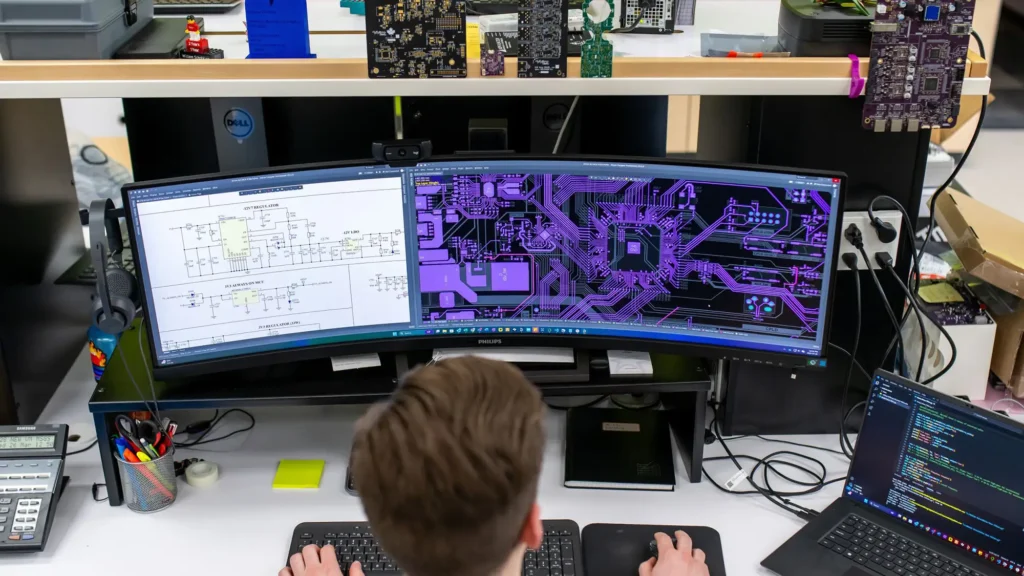
PCB stack-up shapes signal integrity, EMC performance, and manufacturability long before layout begins. Getting layers and reference planes right avoids costly redesigns later.