

Device Repurposing in Research
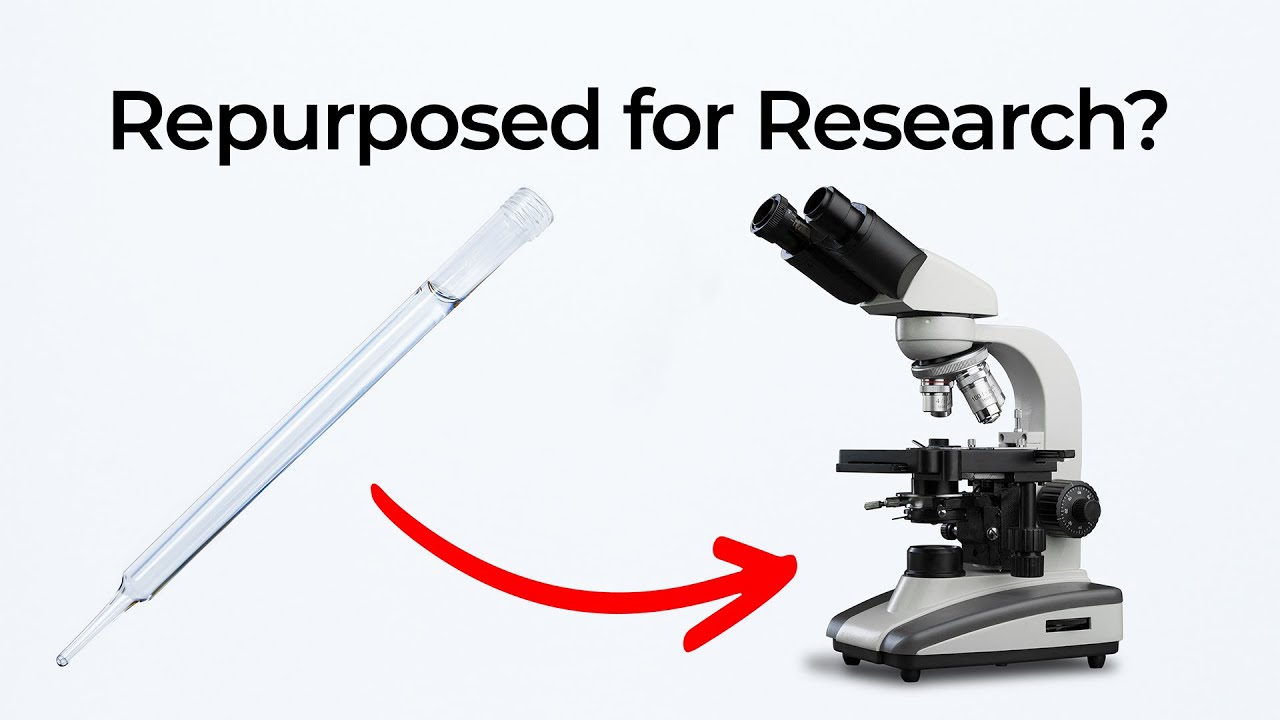
How adapting existing tools can drive innovation
In this episode of Bio Break, Nick Allan and Nigel Syrotuck discuss device repurposing in research, sharing a story that blends microbiology, animal science, and engineering ingenuity. The episode begins with Nick examining an unusual medical device originally used for equine reproductive sampling. As Nigel jokes about its “unique” application, Nick explains how his team repurposed the tool to study bovine respiratory diseases during the COVID era.
The conversation highlights how adaptability is key in research. During supply shortages, Nick’s team used what they had—an equine sampling instrument—to collect deep nasal swabs from cattle for studying Mycoplasma bovis. This creative approach reflects the practical side of device repurposing in research: using proven, sterile, and available tools to advance science quickly and safely.
From animal care to microbiology
Nigel and Nick explore how one device can serve multiple disciplines when handled thoughtfully. Engineers often design instruments for a single, specific purpose. However, researchers in both human and veterinary medicine sometimes find safe, responsible ways to apply existing devices in new contexts. This not only saves time and cost but also helps teams continue important studies despite logistical barriers.
Engineering meets resourcefulness
As Nigel points out, clinicians and engineers must sometimes foresee off-label uses or modifications. Understanding these adaptations helps teams ensure safety while maintaining design integrity. The story reminds us that innovation doesn’t always start from scratch—sometimes it comes from seeing familiar tools in a new way.
By the end, both hosts emphasize that flexibility and informed adaptation can lead to new discoveries, whether in animal health or medical device design.
Enjoying Bio Break? Sign up to get new episodes sent to your inbox.
Related Resources

Nick and Nigel breaks down what actually goes into the cost of getting a sterilized device into a user’s hands, and why up to 30% of costs can sit in places most teams don’t plan for.
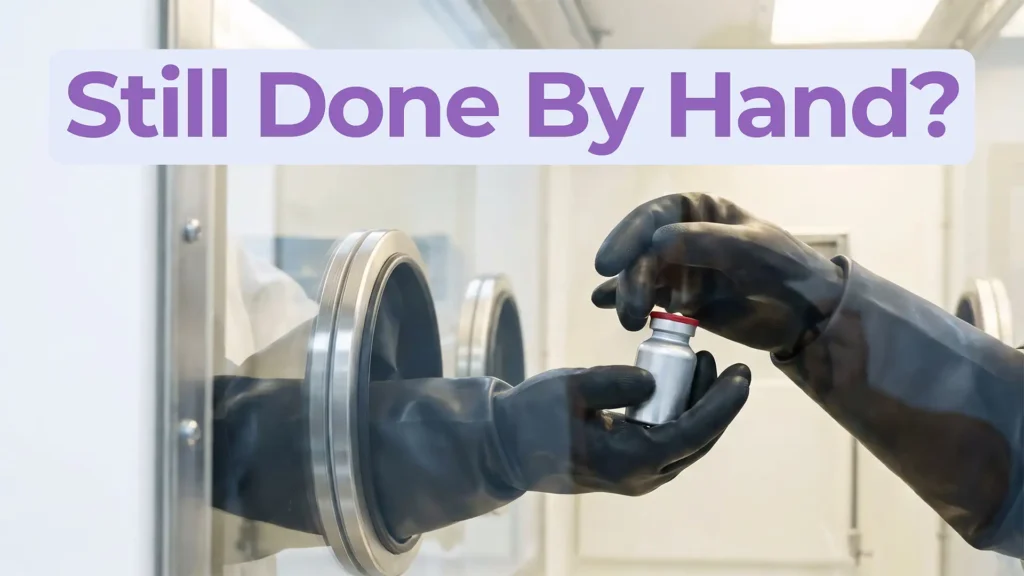
Theranostics combines diagnosis and therapy into a single targeting system, using one ligand to attach to two different radioactive payloads, one for imaging and one for treatment. It represents a significant shift in how cancer is being identified and treated. But the theranostics delivery workflow tells a different story.
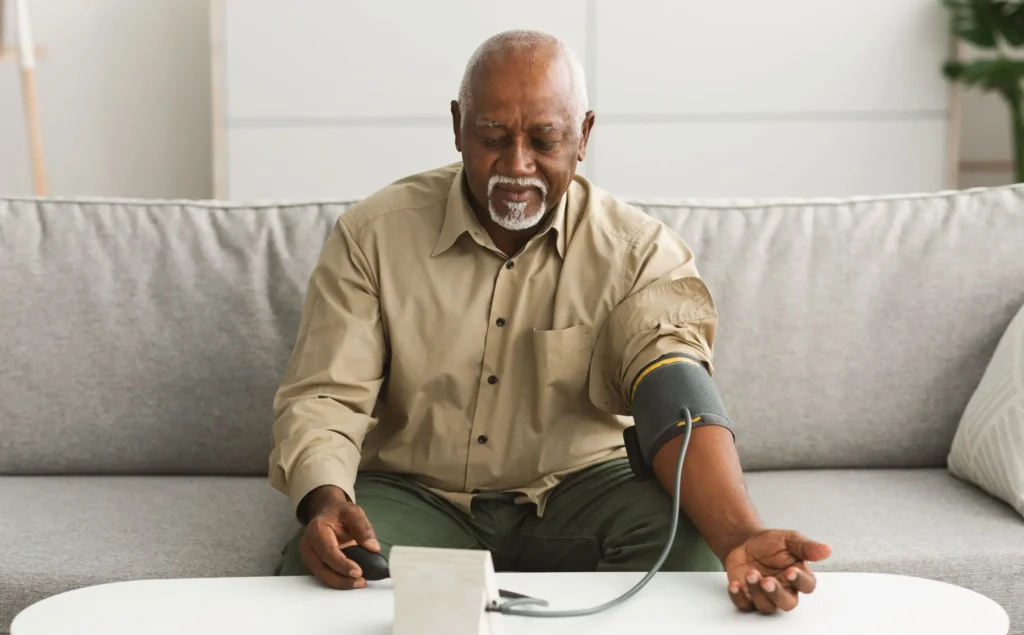
Most medical devices were designed for clinical settings, not the patients and caregivers who increasingly rely on them at home. Here’s what good home-use device design actually requires.

How do you measure comfort in medical device design? Explore the tools, scales, and study design principles that turn a subjective experience into actionable design data.