

Exit Optimization: Building Strategic Optionality
TL;DR
- Exit optimization is about creating optionality, not forcing outcomes.
- Stage-appropriate manufacturing strengthens credibility and valuation.
- Regulatory choices should align with commercial goals.
- Proof of adoption drives acquirer confidence.
- Disciplined commercialization builds investor trust.
How disciplined commercialization increases acquirer interest and investment potential
In Medtech, a successful exit isn’t just about having an innovative device, it’s about building a business that potential buyers and investors can clearly see a future in. Too often, innovators focus only on technical milestones and assume that success in the lab guarantees success in the market. In reality, a good commercialization strategy is what drives valuation and acquirer interest. By creating multiple credible paths forward, whether that’s acquisition, partnership, or continued growth, a strong commercialization strategy gives acquirers confidence in what you are building.
1. Prove Market Fit Beyond the Prototype
A prototype proves feasibility, but What excites acquirers and investors is proof that it works where it matters: in the market.
That means going beyond engineering to demonstrate:
- Pilot studies using preproduction or early pilot builds.
- Usability validation with clinicians and patients.
- Workflow integration in real clinical environments.
Acquirers don’t just buy devices, they buy proof of adoption.
2. Use Preproduction and Pilot Builds Strategically
The value of preproduction and pilot builds is often overlooked, but they’re essential to de-risking both scale-up and adoption.
- Preproduction builds prove manufacturability, validate suppliers, and surface cost drivers.
- Pilot builds produce the devices you need for early clinical evaluations, usability studies, and generating market feedback.
A powerful approach here is stage-appropriate manufacturing: a disciplined framework that aligns manufacturing maturity with the company’s stage of development. This approach enables lean, low-volume builds that are rigorous enough to generate credible data for regulators, investors, and clinicians, without over-investing in scale, cost optimization, and process complexity before the market is proven. Stage-appropriate manufacturing accelerates market entry, provides real-world evidence, and preserves capital until both the market and business case are proven. Once demand is validated, those learnings inform cost optimization, supplier refinement, and scale-ready production, strengthening both credibility and valuation.
Skipping or rushing past these steps can lead to delays and cost overruns, issues that acquirers recognize immediately. Stage-appropriate discipline in how and when you build creates optionality and accelerates your path to scale.
3. Align Regulatory Strategy with Business Goals
Regulatory milestones aren’t just hurdles—they shape the commercial trajectory of your device.
- A 510(k) pathway can accelerate market entry but may limit pricing or reimbursement.
- A PMA route is slower but can support premium positioning and stronger acquirer interest.
Commercial discipline means tying regulatory decisions to business strategy and exit goals. Acquirers notice when you’ve already paved the path they prefer.
4. Tell a Commercialization Story That Scales
The most compelling companies aren’t just technically sound—they have a credible story for how their device reaches and scales in the market. That means:
- Documented market validation from pilot programs.
- Reimbursement strategies mapped early.
- KOL and clinician advocacy to accelerate adoption.
- A clear plan for distribution and geographic expansion.
When commercialization is disciplined, you’re not just presenting a product, you’re presenting a growth engine.
Building Exit Optionality Through Disciplined Commercialization
Exit optimization isn’t about forcing one outcome, it’s about building optionality through disciplined commercialization. When technical innovation is paired with strategic market validation and stage -appropriate manufacturing, every milestone increases credibility and drives valuation.
At StarFish Medical, we’ve seen how early alignment between the development, quality, and commercialization teams transforms credibility and investor confidence. In MedTech, optionality isn’t luck. it’s built through disciplined commercialization. When every decision, build, and milestone is intentional, you don’t leave success to chance, you design it.
Taimoor Khan works in Business Development as a Program Strategy Engineer in our Toronto office. Taimoor works on a variety of medical device projects, providing valuable strategic insights for developing medical devices, while leveraging his expertise to help align technical solutions and regulatory requirements.
Images: Adobe Stock
Related Resources
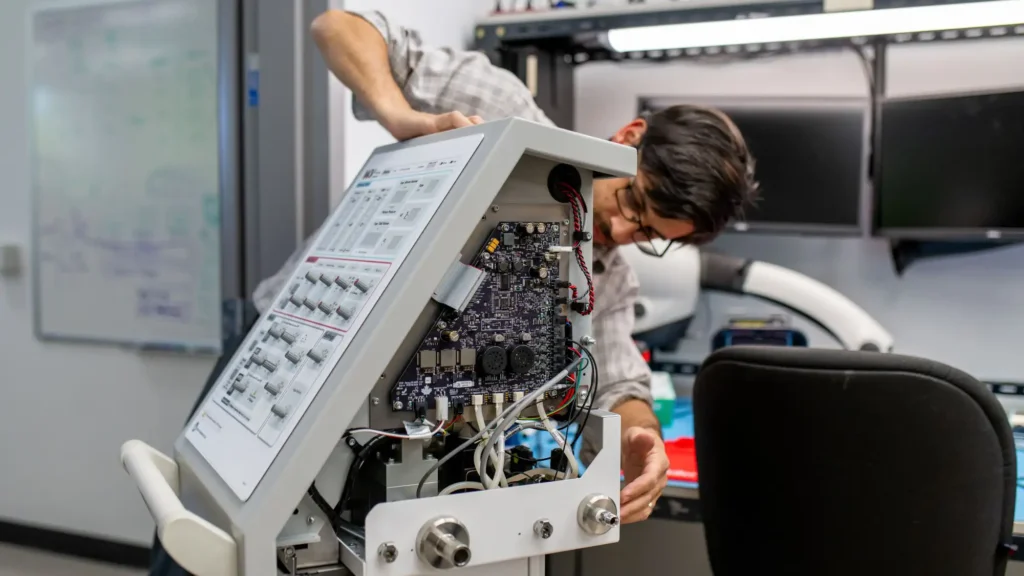
When one team designs, lays out, and brings up a board, knowledge sticks. Splitting that work across specialists looks efficient but creates the risk it’s meant to avoid.

AI coding agents like Claude and Codex are helping EE teams turn concepts into tested hardware in weeks, not months, without adding a new vendor or software dependency.
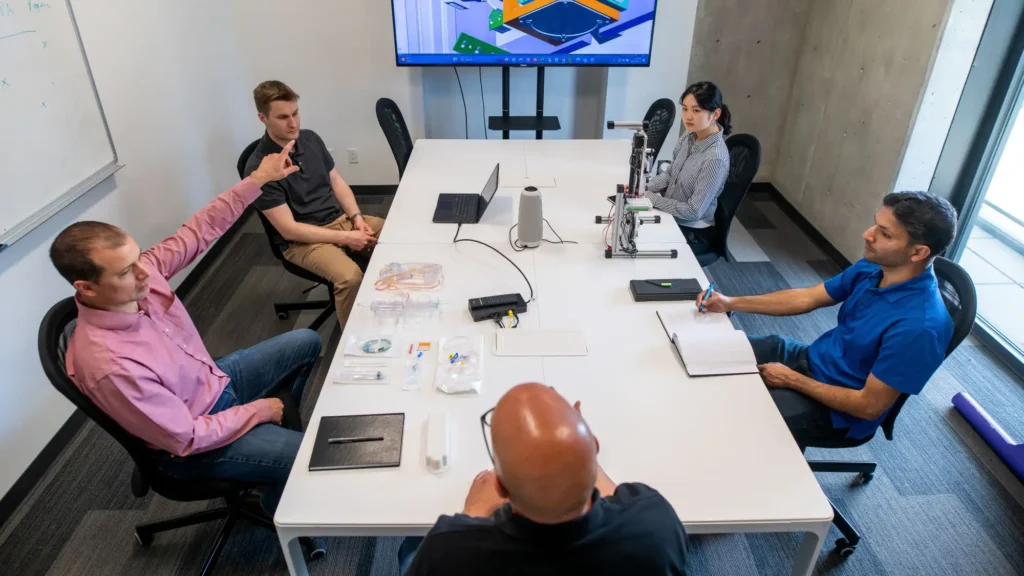
Choosing an EE partner is a program risk decision, not a staffing decision. Early architecture choices carry through to certification, and the wrong partner can cost far more than their hourly rate suggests.
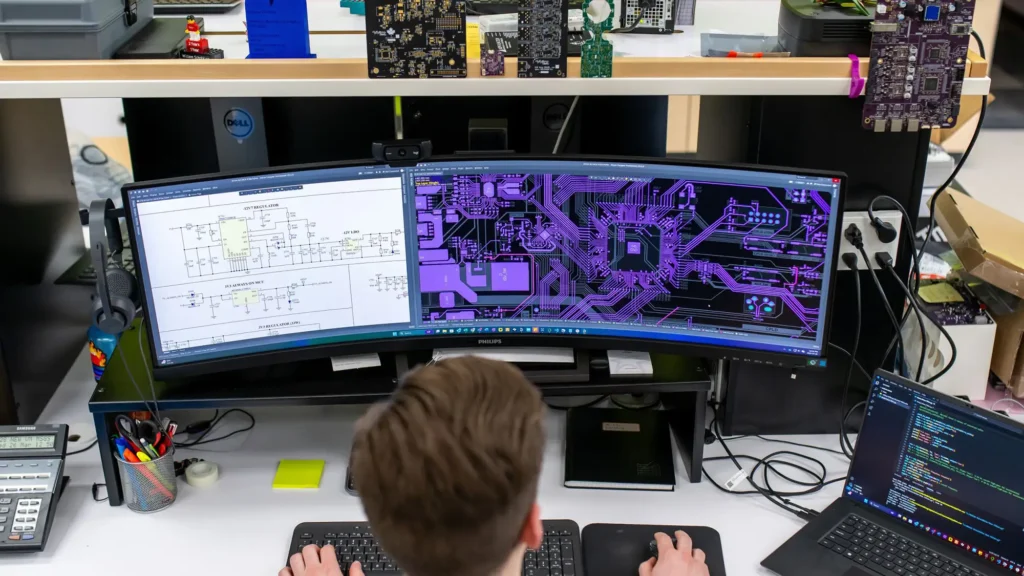
PCB stack-up shapes signal integrity, EMC performance, and manufacturability long before layout begins. Getting layers and reference planes right avoids costly redesigns later.