
ISO 14644-5:2025 Cleanroom Operations Explained
TL;DR
- ISO 14644-5:2025 shifts cleanroom focus from design to disciplined operations.
- Human behaviour is the dominant contamination risk.
- The standard reinforces risk-based operational controls aligned with quality systems.
- Gowning, cleaning, and maintenance are treated as controlled processes.
- Cleanroom operational models require tailored controls.
Cleanroom performance is no longer defined solely by air cleanliness classification. With the release of ISO 14644-5:2025, Cleanrooms and associated controlled environments, Part 5: Operations, the standard places increased emphasis on operational discipline, human factors, and contamination control behaviour. This update reinforces a long-standing reality: even the best-designed cleanroom can fail if operational controls are weak.
Medical devices often require very low particulate environments, such as ISO Class 7 or 8, for activities like final assembly or primary packaging. Failures in operational discipline can have serious consequences, including latent contamination that evades inspection, product recalls, and regulatory action. A cleanroom’s technical classification is only as reliable as the practices that maintain it.
For organizations operating cleanrooms in medical device manufacturing, understanding and implementing ISO 14644-5:2025 is essential to maintaining control, consistency, and audit readiness.
What ISO 14644-5:2025 Covers
ISO 14644-5, Cleanrooms and associated controlled environments, Part 5: Operations, provides guidance on how cleanrooms should be operated and maintained to preserve their classified state.
Unlike other parts of the ISO 14644 series that focus on design, testing, or classification, Part 5 addresses day-to-day operational practices, including:
- Personnel behaviour and training
- Gowning systems
- Material and equipment flow
- Cleaning and disinfection
- Maintenance activities
- Operational documentation
The 2025 revision aligns more closely with modern risk-based quality systems and global regulatory expectations, with an increased focus on the Operations Control Programme (OCP). The OCP is a documented suite of procedures, training, monitoring, and governance that keeps a cleanroom performing as designed.
Key Operational Changes in ISO 14644-5:2025
Stronger Focus on Human Factors
Personnel remain the largest source of contamination in cleanrooms. The updated standard emphasizes:
- Defined cleanroom behaviours, including movement and interactions
- Competency-based training and requalification
- Minimizing unnecessary interventions
- Behavioural controls tied directly to contamination risk
This reflects a shift from training completed to training effectiveness demonstrated.
Risk-Based Operational Controls
ISO 14644-5:2025 promotes a risk-based approach to cleanroom operations, consistent with ISO 13485 and GMP principles.
Organizations are encouraged to:
- Assess contamination risks by activity, not just by room classification
- Adjust controls based on product sensitivity and process criticality
- Document the rationale for operational decisions
This approach supports flexibility while maintaining control.
Enhanced Guidance on Gowning Systems
The standard reinforces the importance of appropriate gowning selection and control, including:
- Matching gowning materials to cleanroom class and activity
- Defined gowning procedures and sequencing
- Controlled storage, handling, laundering, and disposal
- Periodic review of gowning effectiveness
Gowning is positioned as a critical contamination control barrier, not a formality.
Material and Equipment Transfer Controls
ISO 14644-5:2025 provides clearer expectations for:
- Segregation of clean and non-clean items
- Transfer procedures that prevent contamination ingress
- Cleaning and disinfection of tools and equipment
- Flow paths that reduce cross-contamination
Material movement is treated as an operational risk point that requires documented controls.
Cleaning and Disinfection as a Controlled Process
Cleaning is no longer viewed as a routine task, but as an evaluated and monitored operation.
The standard emphasizes:
- Defined cleaning frequencies and methods
- Selection of appropriate cleaning agents, including compatibility with equipment, tools, and surfaces
- Rotation of disinfectants where applicable
- Training and qualification of cleaning personnel
- Records that demonstrate execution and effectiveness
Maintenance and Intervention Controls
Maintenance activities pose elevated contamination risk. ISO 14644-5:2025 highlights:
- Planning and authorization of interventions
- Post-maintenance cleaning and verification
- Temporary controls during maintenance
- Documentation of deviations and recovery actions
These expectations support sustained cleanroom performance over time.
Aligning ISO 14644-5:2025 with Your Quality System
ISO 14644-5:2025 integrates seamlessly with established quality systems by reinforcing:
- Clear, controlled SOPs for cleanroom operations
- Defined roles and responsibilities
- Training records and competency assessments
- Deviation handling and corrective actions
- Change management for operational updates
Even if not directly cited in regulatory submissions, operational compliance may be scrutinized during audits and inspections..
Continuous Production vs. Project -Based Cleanroom Use
Cleanroom usage is not one-size-fits-all. Two common operational models in medical device facilities are continuous production operations and project-based cleanroom use.
Continuous Production Operations
Facilities that run continuously, such as high-volume assembly lines for catheters or implants, face distinct operational challenges, including:
- Steady-state discipline, where Processes, gowning practices, and material flows must be repeatable with minimal variation
- Routine cleaning intervals scheduled to maintain quality without interrupting production
- Continuous monitoring using real-time environmental systems for trend analysis and alerts
- Personnel scheduling that accounts for fatigue, coverage, and variability
For continuous operations, the Operations Control Programme becomes a living program, with frequent review of control points, trend data, and change control activities.
Project-Based Cleanroom Use
Cleanrooms dedicated to project-specific activities, such as prototyping, regulatory submission batches, or pilot runs, have different operational priorities, including:
- Flexible procedures that accommodate varied tasks while maintaining contamination control logic
- Entry and exit protocols for Materials and prototypes, supported by quarantine, decontamination, and documentation processes
- Training surge requirements due to ad hoc operator assignments
- Start and stop impact planning to assess and mitigate project-specific risks
Both operational models benefit from the risk-based approach embedded in ISO 14644-5:2025. The goal is to identify contamination risks tied to human activity, equipment, or material flow, then mitigate and monitor those risks systematically.
Why ISO 14644-5:2025 Matters for Medical Device Manufacturers
For medical device organizations, cleanroom operations directly impact:
- Product quality and patient safety
- Environmental monitoring trends
- Inspection outcomes
- Operational efficiency and deviation rates
Adopting ISO 14644-5:2025 demonstrates a mature, proactive approach to contamination control and operational excellence.
Conclusion
ISO 14644-5:2025 is a strategic framework that bridges technical cleanroom design and disciplined operations. For medical device manufacturers, this means embedding quality and contamination control into everyday cleanroom practices, whether the space supports continuous production or project-based work. The result is more consistent performance, stronger regulatory confidence, and fewer surprises during audits.
ISO 14644-5:2025 Cleanrooms and associated controlled environments – Part 5: Operations
As a member of the QA/RA team, Bhavyashree is dedicated to ensuring product quality and compliance. With a keen eye for detail, she strives for excellence within the field of quality assurance and regulatory affairs.
Images: Adobe Stock
Related Resources
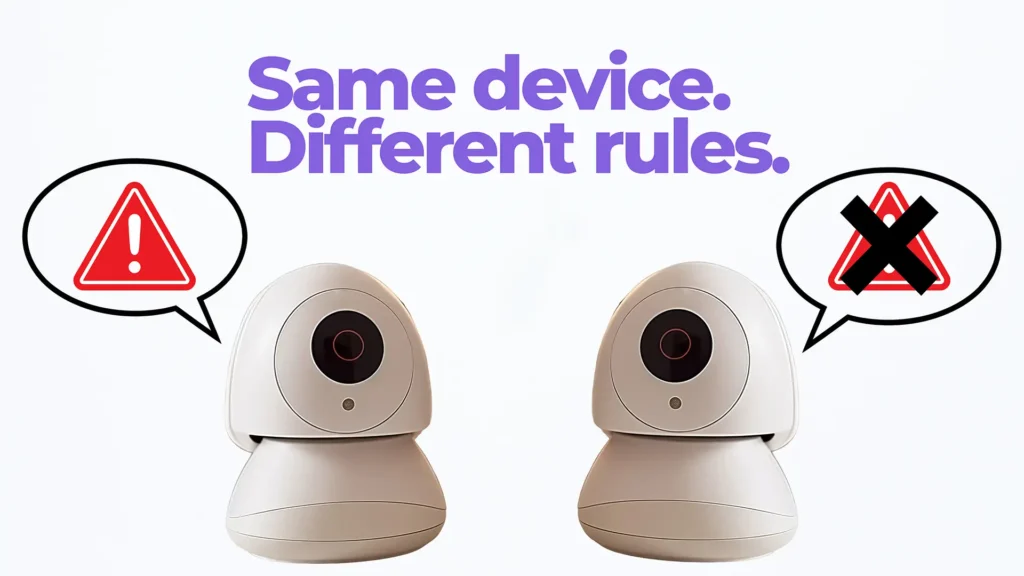
This medical vs wellness example shows how device classification can directly change functionality. Even when hardware is similar, what the device is allowed to do can be very different.

Modern medical devices are no longer confined to hospital settings. Wearable cardiac monitors, home respiratory systems, and remote patient monitoring devices now operate within broader digital health networks.
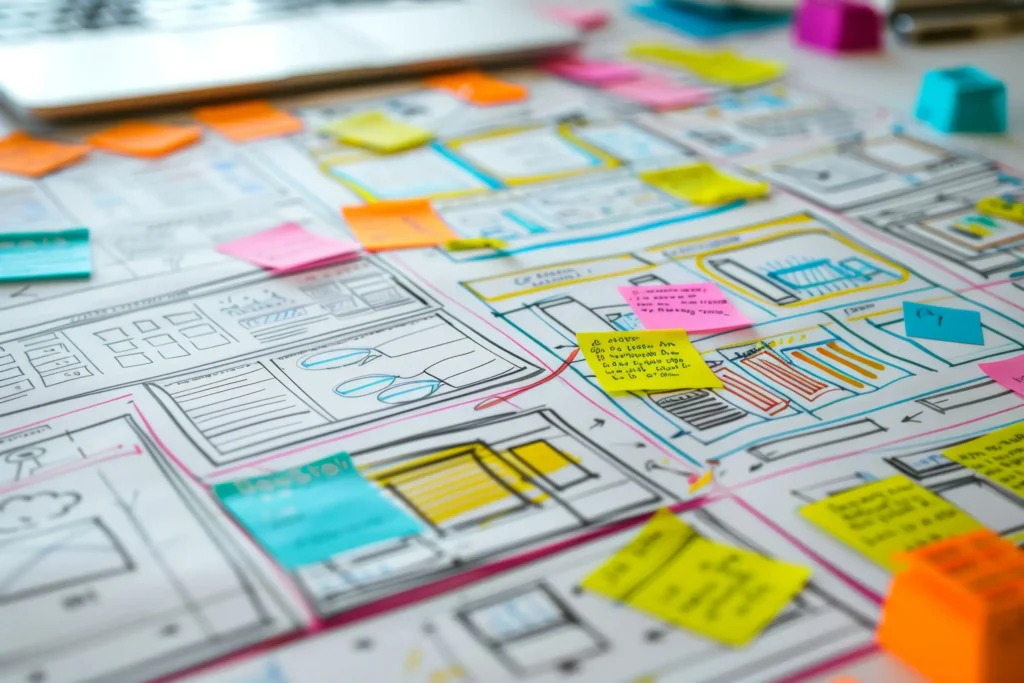
This blog provides an overview of the major steps involved in estimating cost and schedule. Though this is specifically based on medical devices, similar projects across a variety of industries will follow similar steps.

Medical device teams developing embedded and cross-platform GUIs can accelerate delivery without compromising usability or validation by choosing the right framework early and designing for performance, portability, and maintainability.