

Why Barium Sulfate Is a MedTech Powerhouse
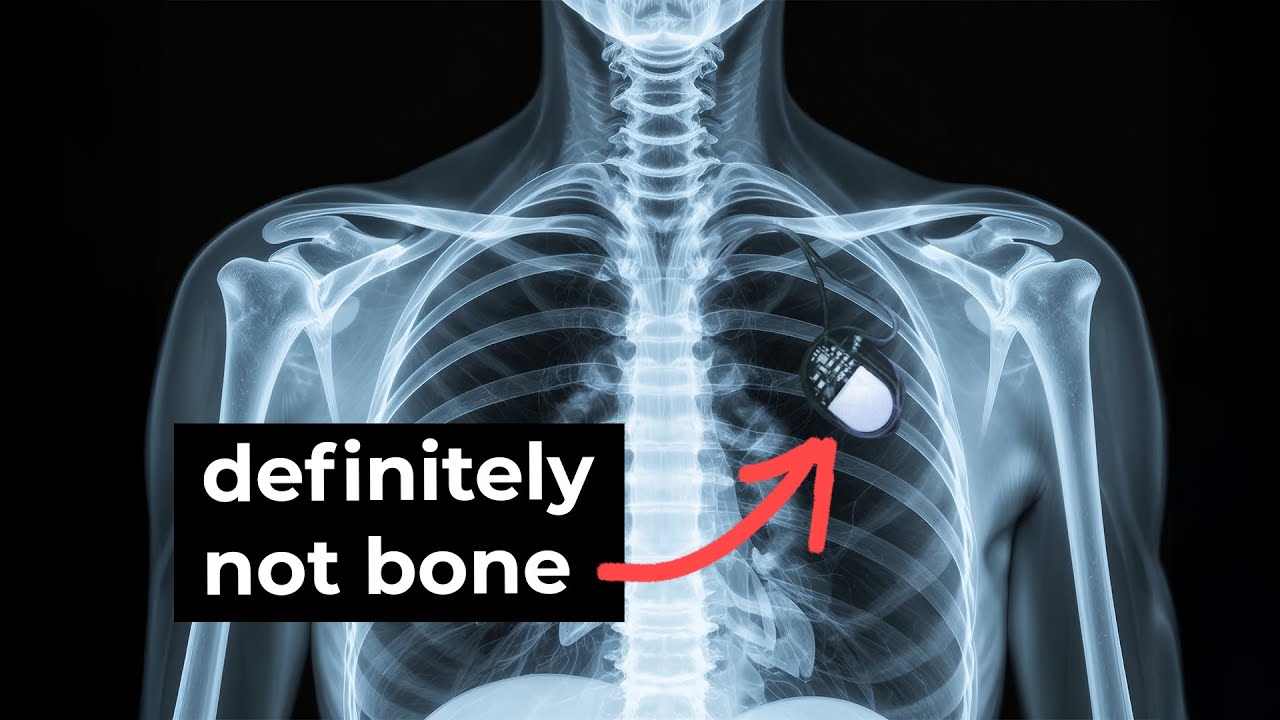
Understanding Barium Sulfate in Medical Devices
In this episode of MedDevice by Design, Mark and Ariana explore the surprising versatility of barium sulfate—a material used widely in both diagnostic procedures and medical device manufacturing. While many recognize it as the contrast agent you drink before an X-ray, it’s also a key additive that enhances plastic components across the healthcare industry.
What Is Barium Sulfate and Why Is It Used?
Barium sulfate is a biocompatible, non-toxic, and non-water-soluble powder. In diagnostic imaging, it helps visualize the gastrointestinal tract. In medical devices, it’s mixed with plastic during manufacturing to make components visible under X-ray. This radio-opacity improves traceability and safety, especially in implantable and catheter-based devices.
How Barium Sulfate Enhances Mechanical Properties
Beyond visibility, barium sulfate also improves mechanical performance. When added in higher concentrations, it increases stiffness and density. Designers use it to reinforce parts that need to resist torsion or deliver a specific tactile feel. Despite these benefits, it remains cost-effective and easy to source, which makes it attractive for large-scale production.
Manufacturing Considerations and Broader Applications
Barium sulfate is commonly used in injection molding. However, because it has a high specific gravity, it can settle during processing. Its hardness also wears down machining tools over time. Despite these challenges, manufacturers value it for its affordability, safety, and reliability. Outside of MedTech, it’s also found in paints, brake pads, and even children’s toys to ensure they’re visible on X-ray if accidentally swallowed.
Why It Matters for Medical Device Design
For engineers and product designers, barium sulfate offers a low-cost, high-impact way to improve performance, compliance, and usability. Whether you’re developing a catheter, orthopedic implant, or pediatric product, this additive deserves a closer look.
Enjoying MedDevice by Design? Sign up to get new episodes sent to your inbox.
Related Resources

The hourly rate is only a starting point when you choose a medical device engineering firm. Learn how to judge team staffing, in-house disciplines, facilities, ISO 13485 scope, and track record before you sign.

Medtech leaders expect connected products to take over their portfolios within five years. Three years of actual FDA clearance filings show a real climb, just a much more gradual one.

Learn why supply chain, process, cost, and quality gaps stall cleared devices, and why they are decided during design.

From skipping the doers to estimating toward a target budget, these ten project estimation pitfalls explain why good estimates go wrong and what to do instead.