

Medical Device Sterilization Methods Explained
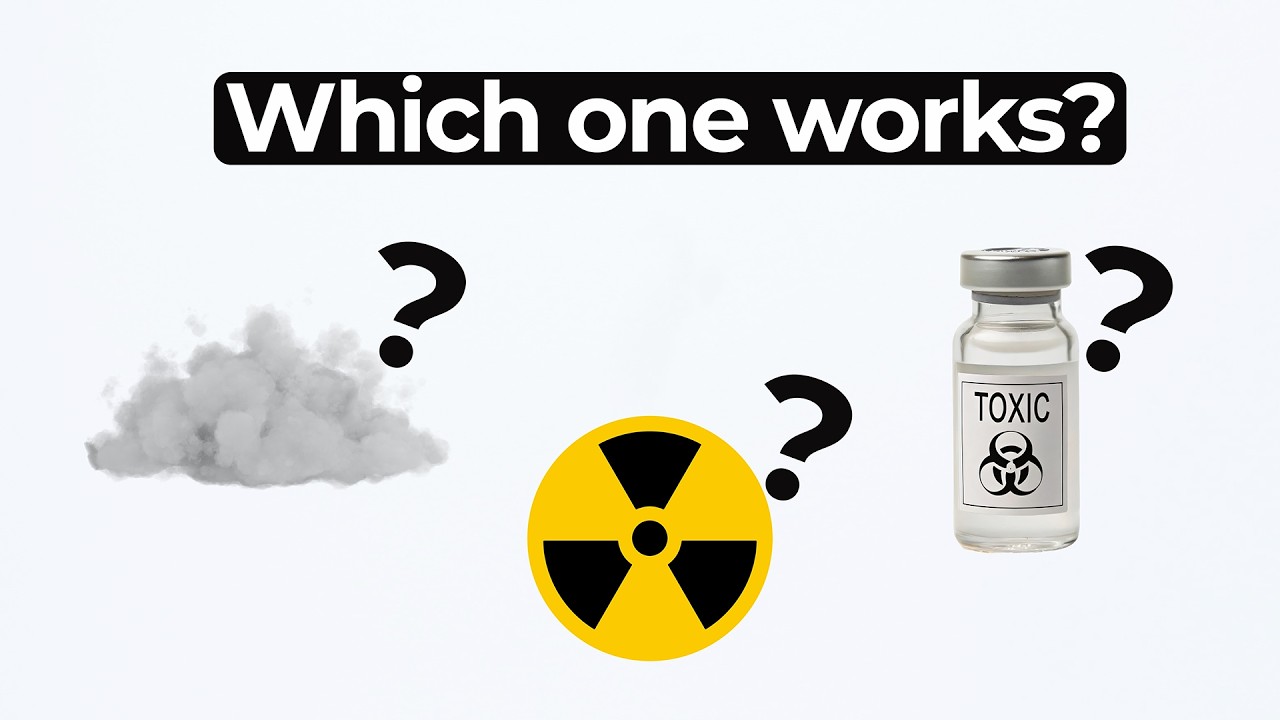
How do you choose the right medical device sterilization method? In this episode of MedDevice by Design, Ariana and Mark walk through FDA-approved options and explain how to select the right one for your product. From metals to plastics and electronics, not all devices can handle the same process.
Choosing the Right Method
The most common method is steam sterilization using an autoclave. This works well for metal tools like scalpels and orthopedic instruments. However, high heat can damage plastics, so it’s not always the best option.
For heat-sensitive components, ethylene oxide (ETO) is often used. It works at low temperatures, but requires long turnaround times and has safety concerns due to its carcinogenic nature.
Alternatives to ETO
Because of the risks with ETO, many facilities are moving to vaporized hydrogen peroxide plasma. It’s safer for staff and just as effective for sterilizing low-temperature devices. The FDA is also encouraging this transition.
Radiation is another solution. Gamma and E-beam sterilization are fast and effective, but typically only available at large, centralized facilities due to safety requirements.
What About Electronics?
Electronics present a special challenge. They often can’t handle heat or moisture. Designers must plan ahead, choosing components and layouts that limit the number of parts needing sterilization. Sometimes, only patient-contacting elements are sterilized.
If no standard option works, novel sterilization methods are allowed—but require thorough validation. You must prove the method is both effective and repeatable.
Understanding medical device sterilization helps ensure safety, performance, and compliance. Selecting the right method early can save time and cost in development.
Enjoying MedDevice by Design? Sign up to get new episodes sent to your inbox.
Related Resources
When one team designs, lays out, and brings up a board, knowledge sticks. Splitting that work across specialists looks efficient but creates the risk it’s meant to avoid.

AI coding agents like Claude and Codex are helping EE teams turn concepts into tested hardware in weeks, not months, without adding a new vendor or software dependency.

Choosing an EE partner is a program risk decision, not a staffing decision. Early architecture choices carry through to certification, and the wrong partner can cost far more than their hourly rate suggests.
PCB stack-up shapes signal integrity, EMC performance, and manufacturability long before layout begins. Getting layers and reference planes right avoids costly redesigns later.